View methods side by side.
Choose up to four methods. Add them using the search and share the comparison by copying its link.
| Criterion | 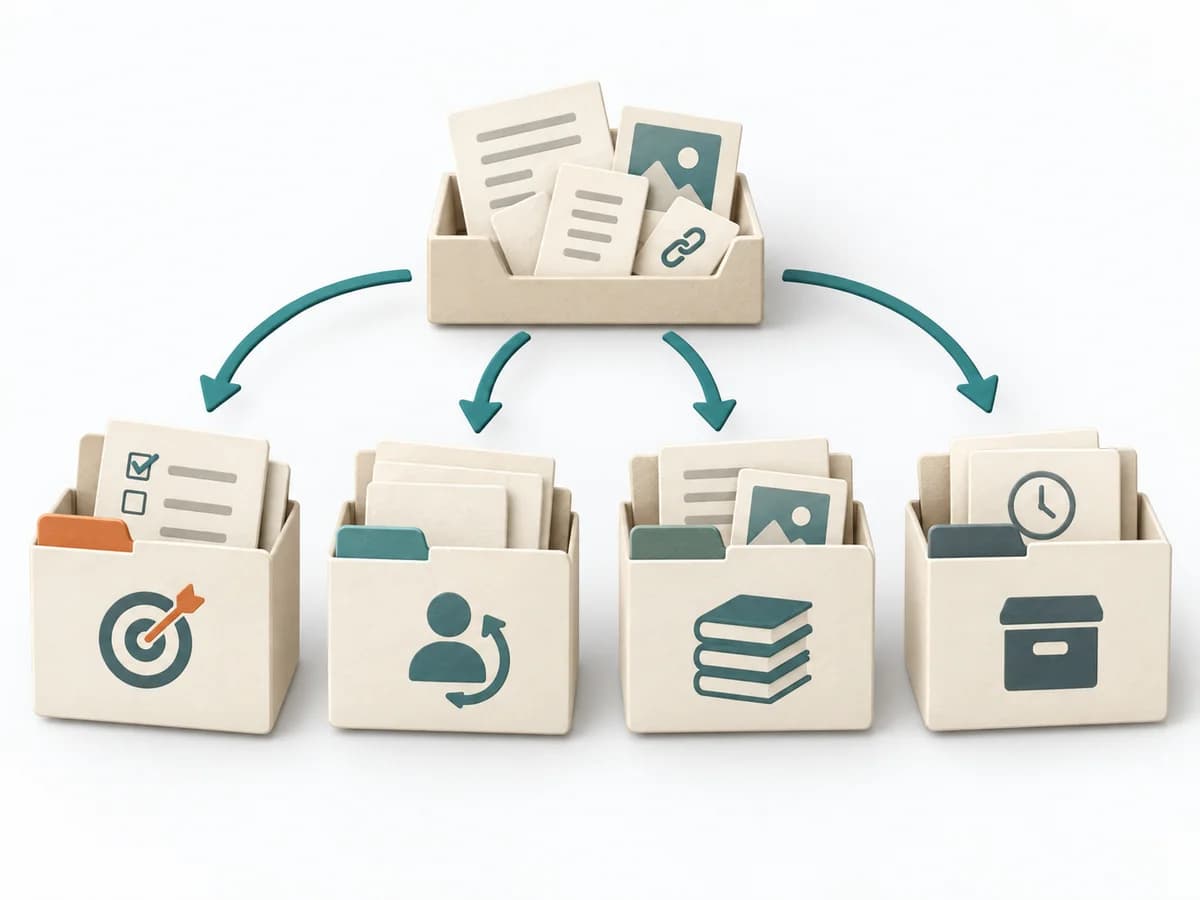 Knowledge Modeling PARA Method | 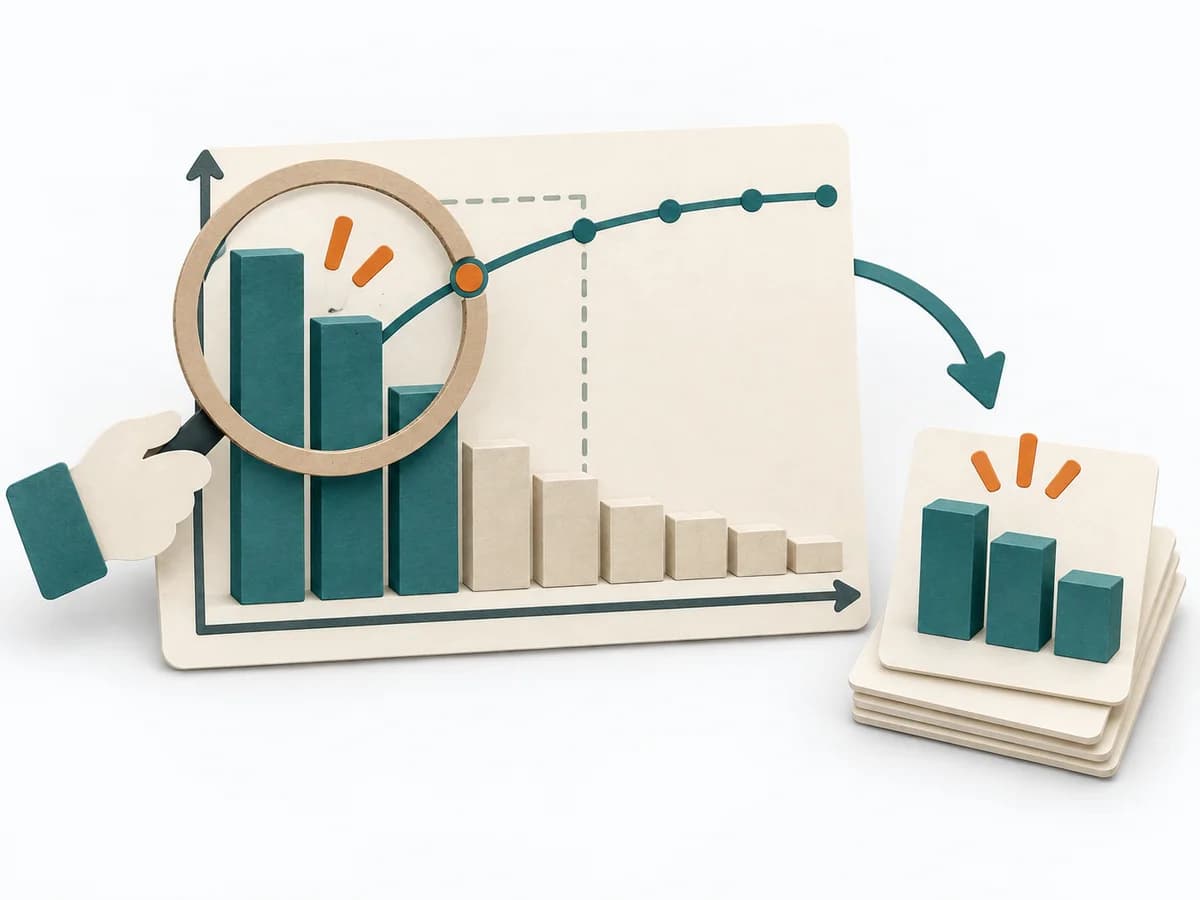 Decision Making Pareto Analysis | 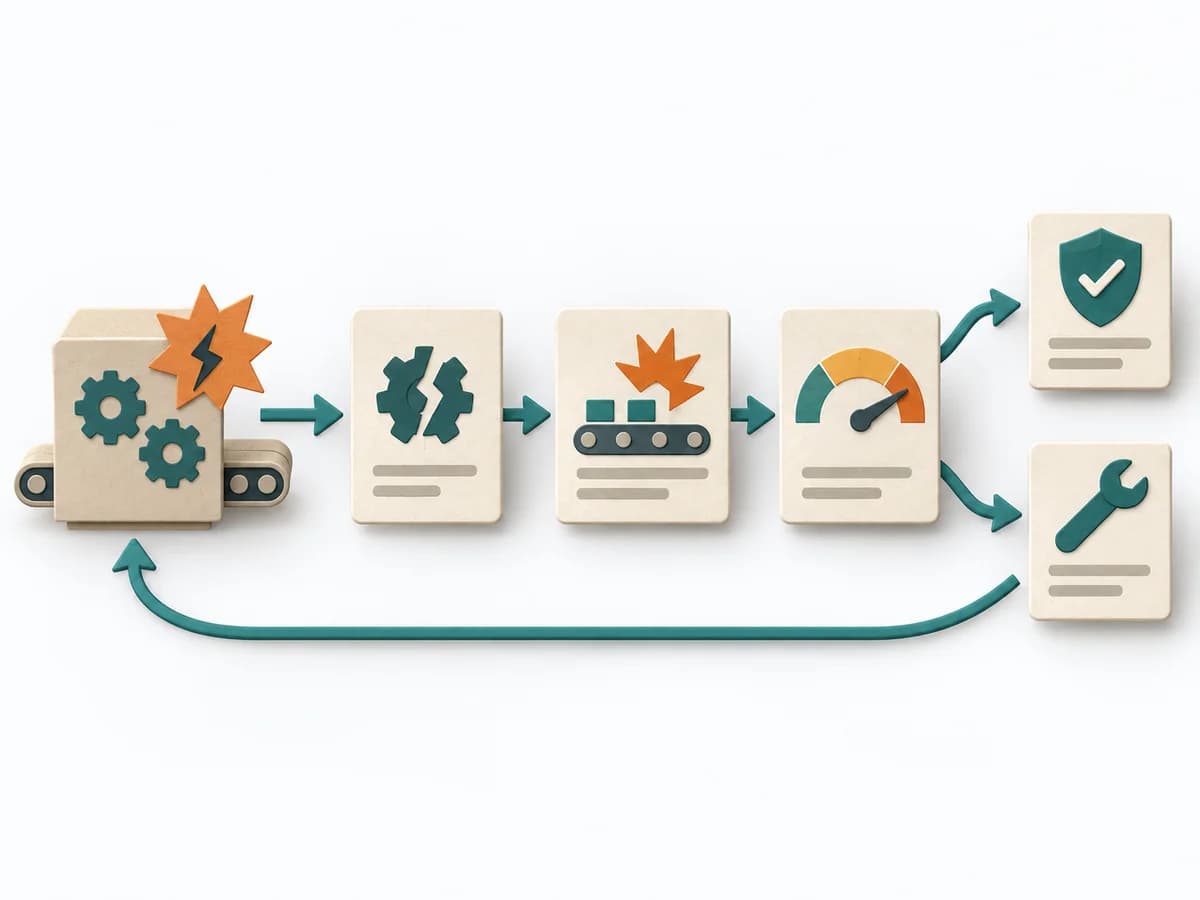 Operations Failure Mode and Effects Analysis |  Operations ABC Analysis |
|---|---|---|---|---|
Purposedifferent | The PARA Method organizes knowledge into Projects, Areas, Resources, and Archives. It creates order when digital notes, files, and tasks no longer cleanly fit current work. | In many problem situations, effect is distributed unequally across many causes. A Pareto Analysis separates the few drivers with high leverage from the long remainder and focuses attention on what measurably moves the needle. | For a process, product, or service with noticeable failure risks, the method assesses possible failure modes in advance. It directs attention to combinations of occurrence, effect, and detectability. | With many similar objects of differing economic significance, the method prioritizes effort by effect. It separates what needs regular steering from what rarely needs attention. |
Complexitydifferent | Medium | Low | High | Low |
Timedifferent | 1-3 h Setup, laufend | 30-60 min | 2-6 h | 30-60 min |
Participantsdifferent | 1 | 1-6 | 3-10 | 1-5 |
Formatdifferent | Async | Workshop + async | Workshop | Async |
Outputdifferent | PARA Structure, Project Notes, Knowledge Archive | Pareto Chart, Top Causes, Focus List | FMEA Table, Risk Priority, Mitigation Actions | ABC Classification, Focus Rules, Control List |
Tagsno overlap | KnowledgeProductivityOrganization | PrioritizationQualityFocusRoot cause | RiskQualityOperationsRoot cause | PrioritizationOperationsPortfolio |