View methods side by side.
Choose up to four methods. Add them using the search and share the comparison by copying its link.
| Criterion |  Knowledge Modeling PARA Method |  Product Discovery Outcome-Driven Innovation | 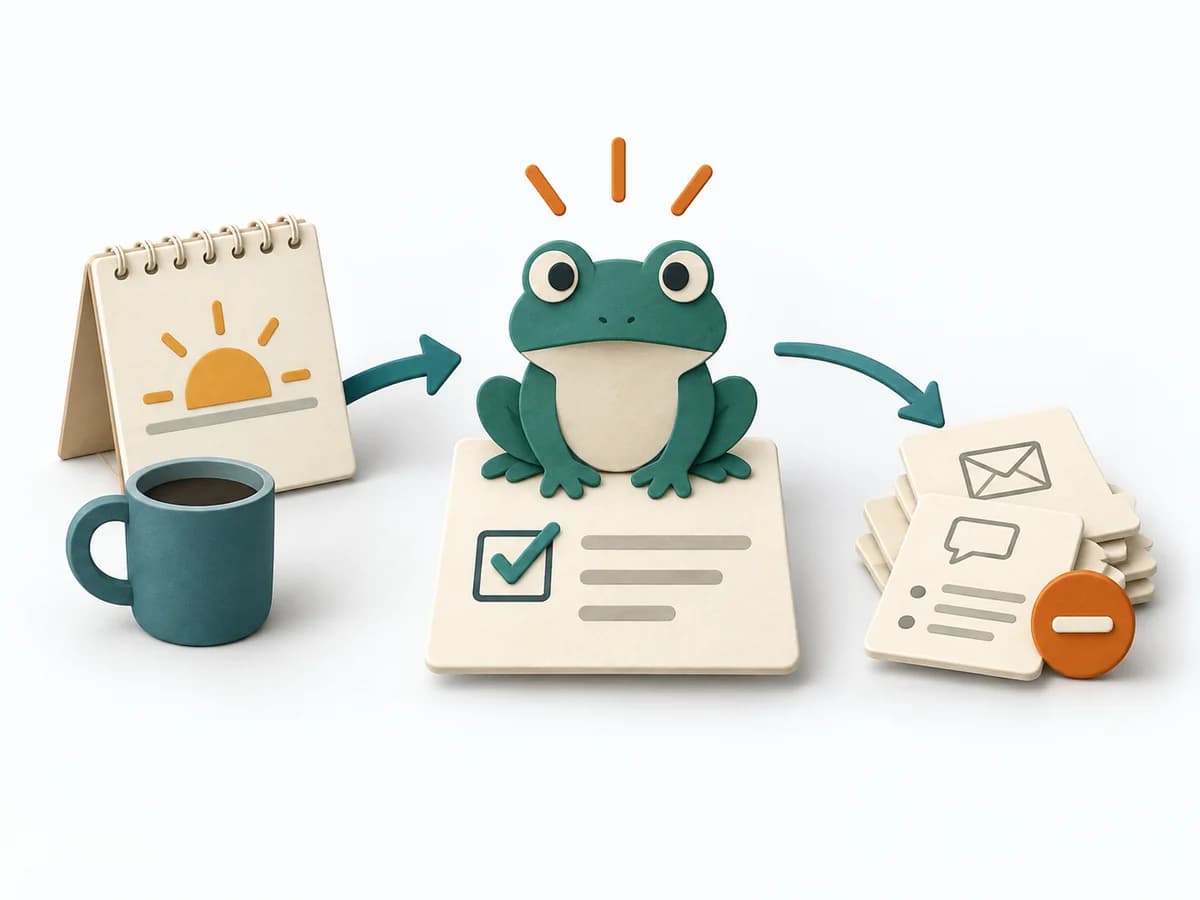 Operations Eat the Frog | 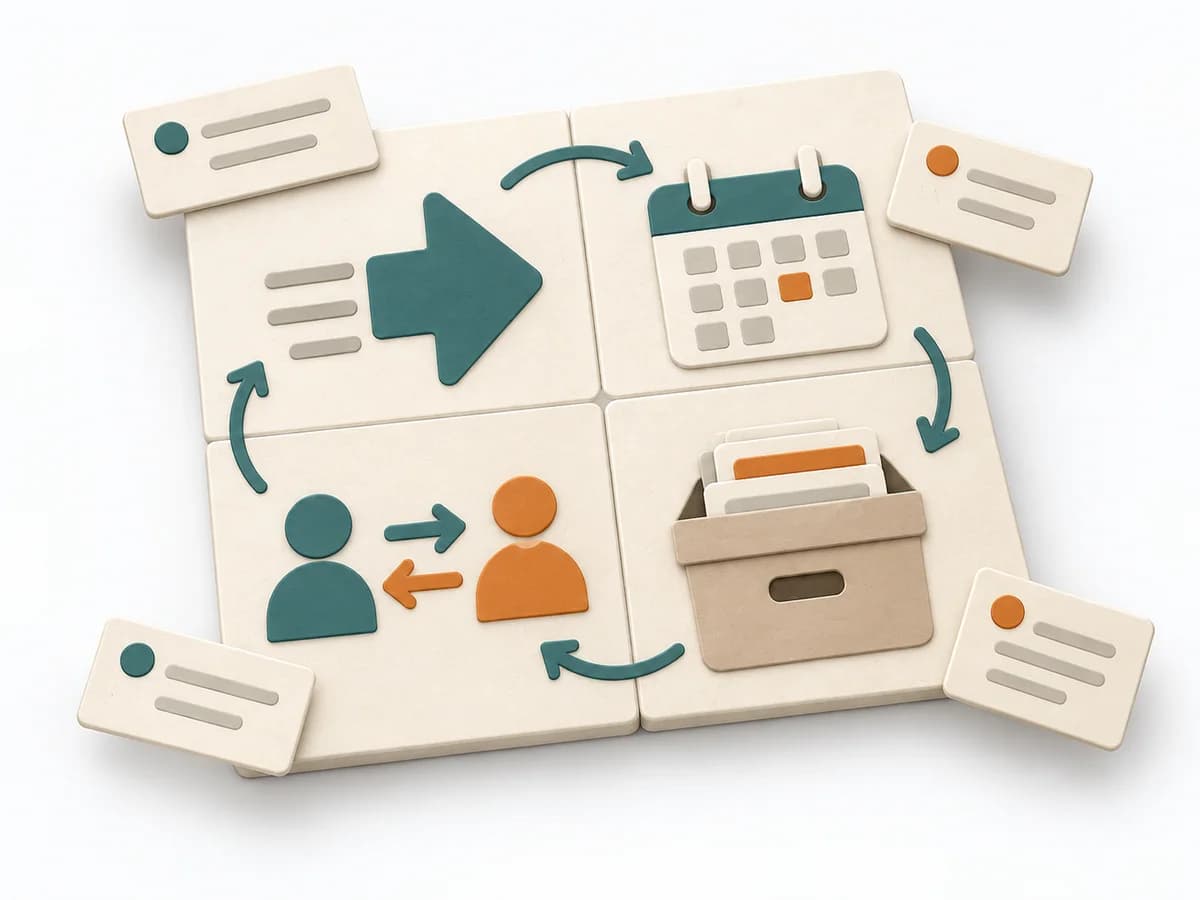 Decision Making Eisenhower Matrix |
|---|---|---|---|---|
Purposedifferent | The PARA Method organizes knowledge into Projects, Areas, Resources, and Archives. It creates order when digital notes, files, and tasks no longer cleanly fit current work. | Outcome-Driven Innovation clarifies customer problems, solution opportunities, and evidence. It separates jobs, desired outcomes, importance, satisfaction, and opportunity, and captures results as desired outcome statements, an opportunity landscape, and segments by underserved needs. | The method protects energy and attention for the task that creates the largest progress and is often postponed. | It separates true priorities from noise so it becomes clear what should be done now, scheduled, delegated, or dropped. |
Complexitydifferent | Medium | High | Low | Low |
Timedifferent | 1-3 h Setup, laufend | Mehrere Wochen | 15-90 min daily | 15-30 min |
Participantsdifferent | 1 | 2-6 researchers plus sample | 1 | 1-6 |
Formatdifferent | Async | Workshop + async | Async | Workshop + async |
Outputdifferent | PARA Structure, Project Notes, Knowledge Archive | Desired outcome statements, Opportunity landscape, Segmentation by underserved needs, Innovation hypotheses | Priority Task, Completion Note, Daily Focus | Eisenhower Matrix, Action List, Delegation Notes |
Tagsno overlap | KnowledgeProductivityOrganization | OutcomesInnovationResearchQuantitative | PrioritizationProductivityFocusExecution | PrioritizationFocusTasks |