View methods side by side.
Choose up to four methods. Add them using the search and share the comparison by copying its link.
| Criterion |  Knowledge Modeling PARA Method | 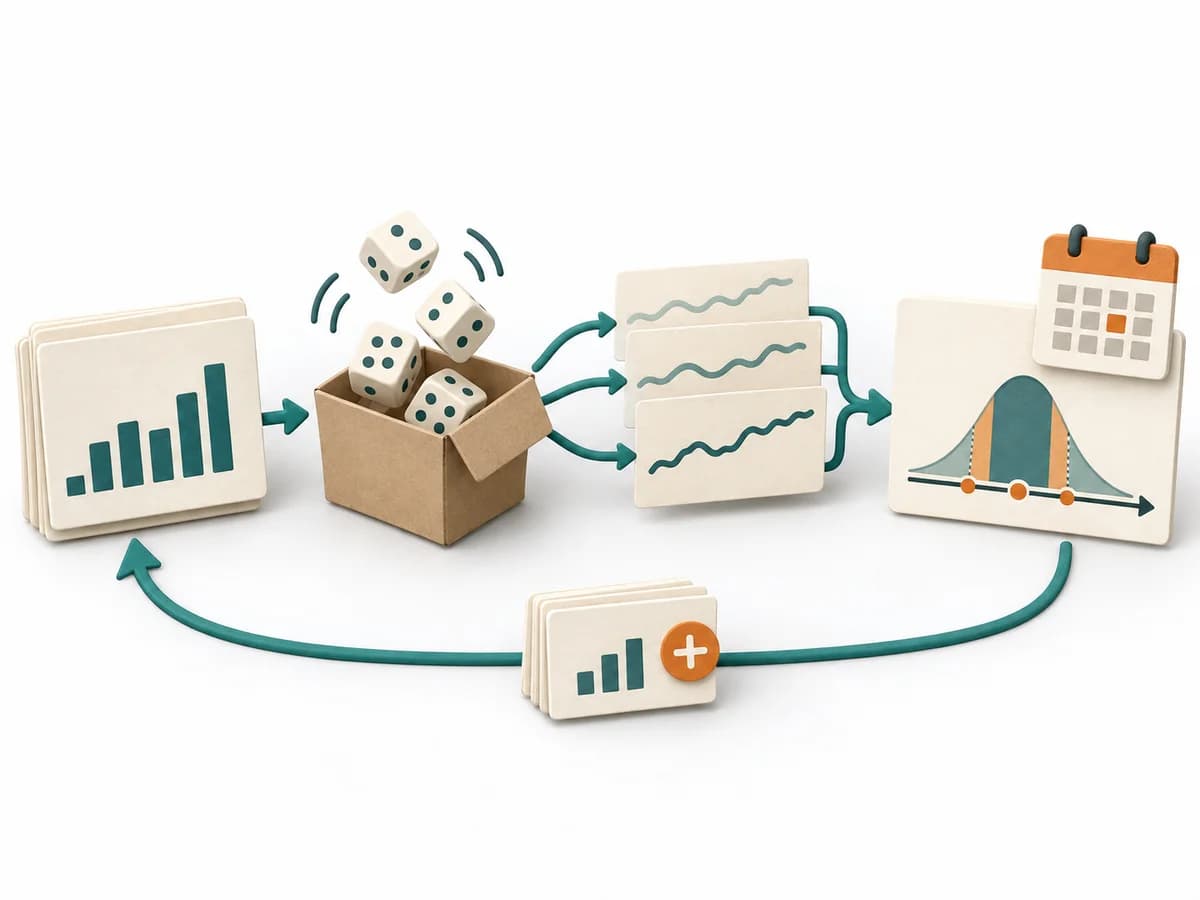 Delivery Monte Carlo Forecasting | 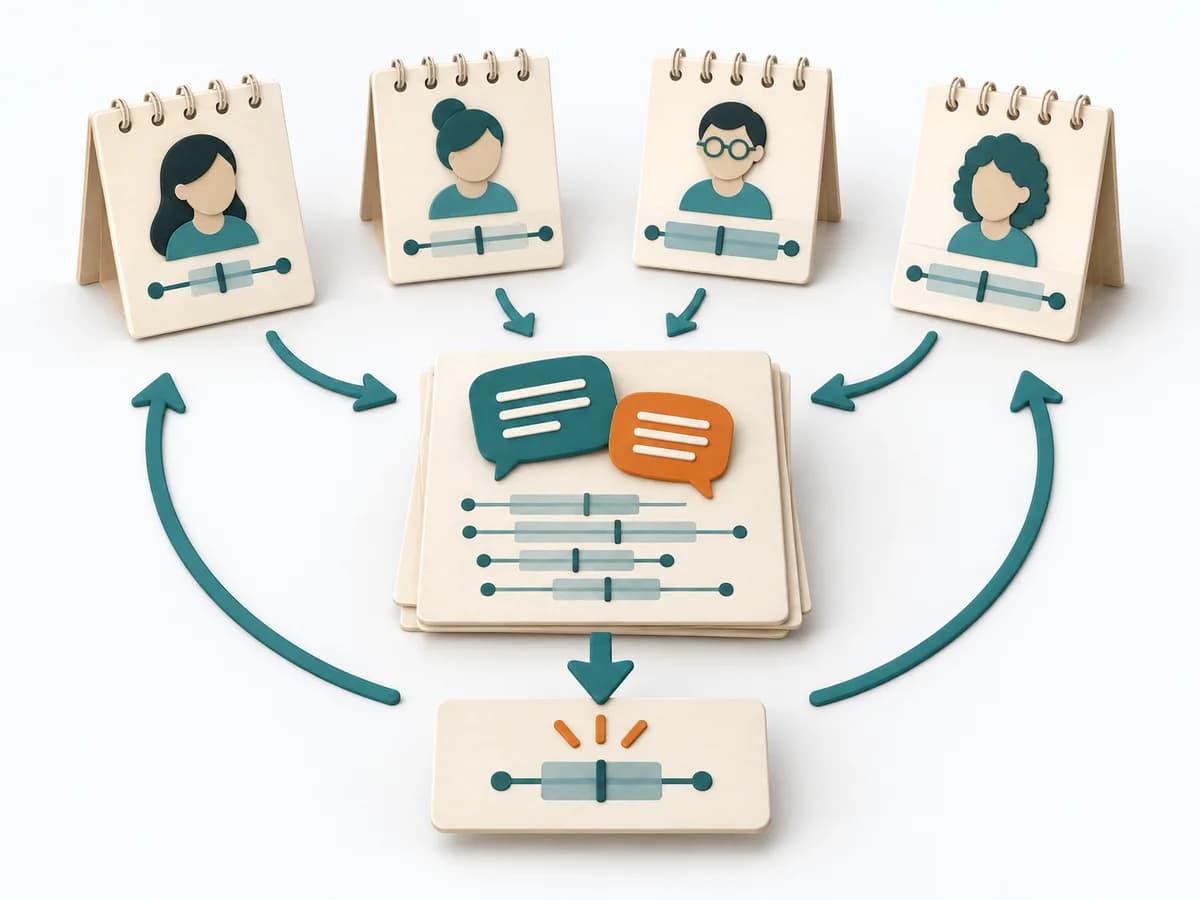 Decision Making Wideband Delphi | 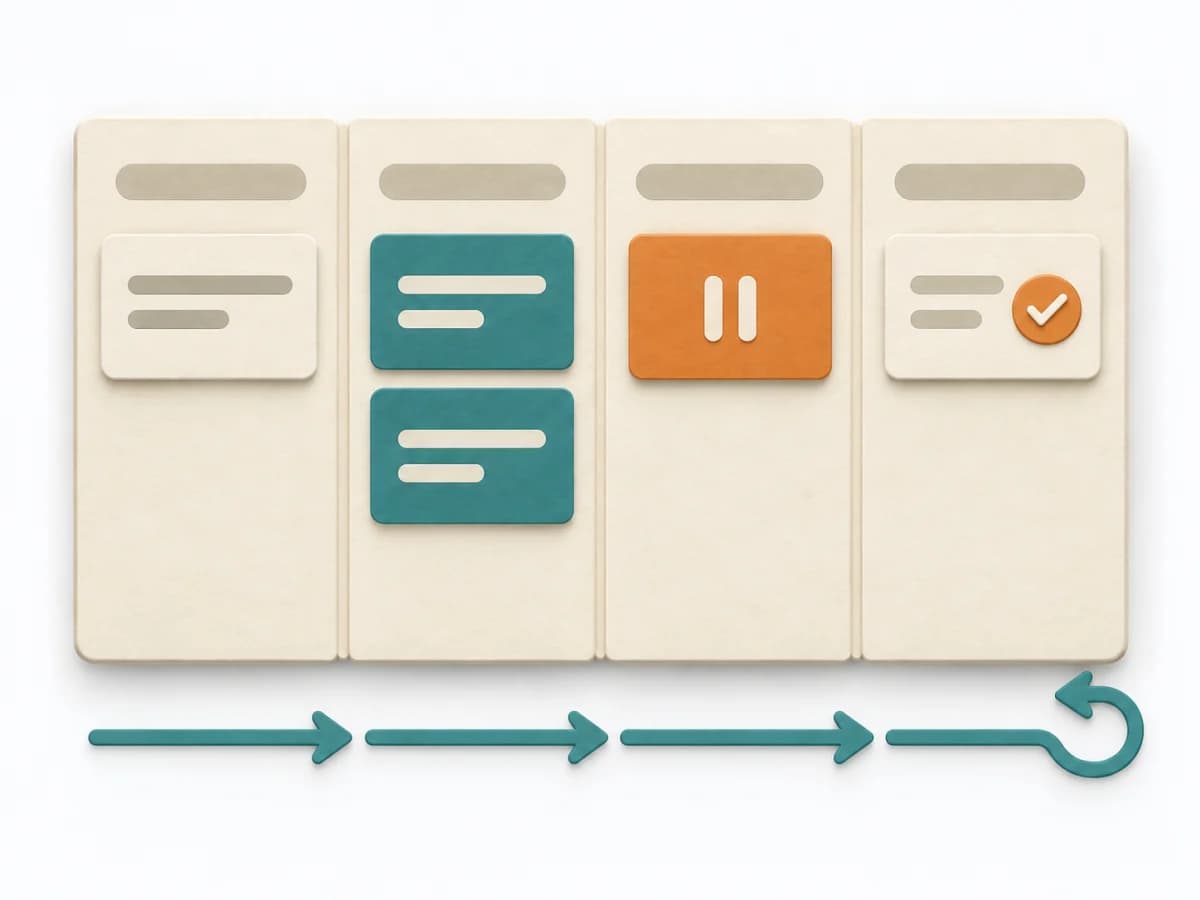 Engineering Kanban |
|---|---|---|---|---|
Purposedifferent | The PARA Method organizes knowledge into Projects, Areas, Resources, and Archives. It creates order when digital notes, files, and tasks no longer cleanly fit current work. | Helps clarify scope, sequence, and delivery flow in concrete terms. It makes work, boundaries, and order steerable. The result is captured as Forecast Percentiles, Throughput Dataset, and Risk Communication. | A single opinion rarely holds up for planning when the future is genuinely uncertain. It separates options, evaluation criteria, and open risks. The result is captured as an Estimate Range, Assumption Log, and Expert Consensus Notes. | When work sits in too many parallel streams, throughput suffers and no one sees the bottlenecks. Kanban makes the flow of work visible and limits overload so a system becomes calmer and more predictable. |
Complexitydifferent | Medium | High | High | Medium |
Timedifferent | 1-3 h Setup, laufend | 30-90 min Setup, danach laufend | 1-4 h or multiple rounds | Ongoing |
Participantsdifferent | 1 | 1-8 | 4-12 Experten | 2-12 |
Formatdifferent | Async | Workshop + async | Workshop + async | Workshop + async |
Outputdifferent | PARA Structure, Project Notes, Knowledge Archive | Forecast Percentiles, Throughput Dataset, Risk Communication | Estimate Range, Assumption Log, Expert Consensus Notes | Kanban board, WIP policies, Flow metrics |
Tagsno overlap | KnowledgeProductivityOrganization | ForecastingFlowDelivery | EstimationExpertsForecasting | FlowVisual managementDelivery |