View methods side by side.
Choose up to four methods. Add them using the search and share the comparison by copying its link.
| Criterion |  Knowledge Modeling PARA Method | 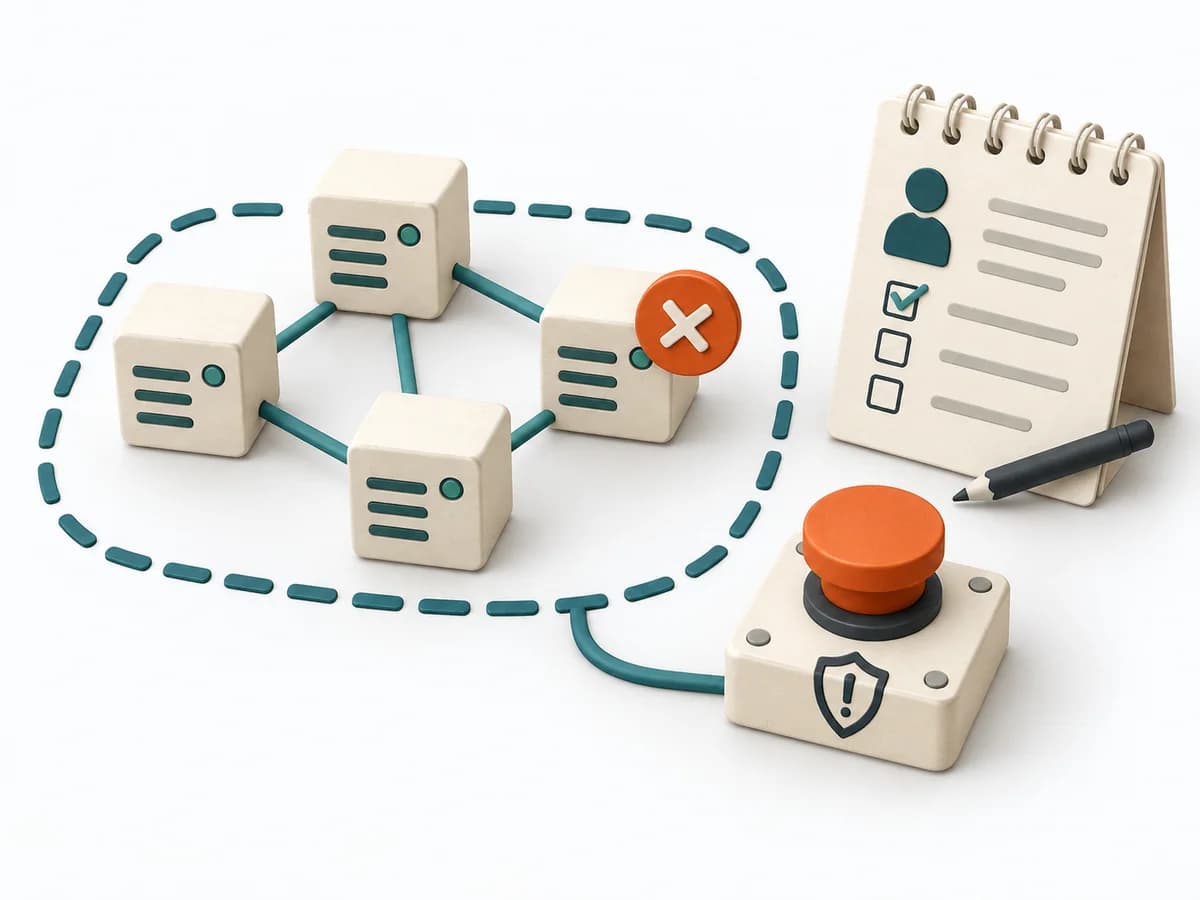 DevOps Game Day |  Engineering Failure Scenario Analysis |  Knowledge Modeling Knowledge Mapping |
|---|---|---|---|---|
Purposedifferent | The PARA Method organizes knowledge into Projects, Areas, Resources, and Archives. It creates order when digital notes, files, and tasks no longer cleanly fit current work. | In preparing for rare incidents, the method tests response capability under controlled conditions. It shows where assumptions about stability, roles, and recovery are too optimistic. | In critical processes, it is not enough to plan only for the normal case. Failure Scenario Analysis looks at the path into failure and shows which failures, chains, and control gaps cause the most damage. | Knowledge Mapping makes knowledge, gaps, and transfer paths visible across a field. It fits when expertise should not just exist but also be findable and transferable. |
Complexitydifferent | Medium | High | Medium | Medium |
Timedifferent | 1-3 h Setup, laufend | Halber Tag | 1-3 h | 1-3 h |
Participantsdifferent | 1 | 5-20 | 3-8 | 3-12 |
Formatdifferent | Async | Workshop | Workshop | Workshop |
Outputdifferent | PARA Structure, Project Notes, Knowledge Archive | Simulation Notes, Gaps List, Updated Runbooks | Failure Scenarios, Risk Notes, Control Gaps, Test and Response Actions | Knowledge Map, Critical Knowledge Areas, Transfer Plan |
Tagsno overlap | KnowledgeProductivityOrganization | ResilienceOperationsIncident | FailureResilienceRisk | KnowledgeMappingRisk |