View methods side by side.
Choose up to four methods. Add them using the search and share the comparison by copying its link.
| Criterion |  Knowledge Modeling PARA Method |  Innovation Double Diamond | 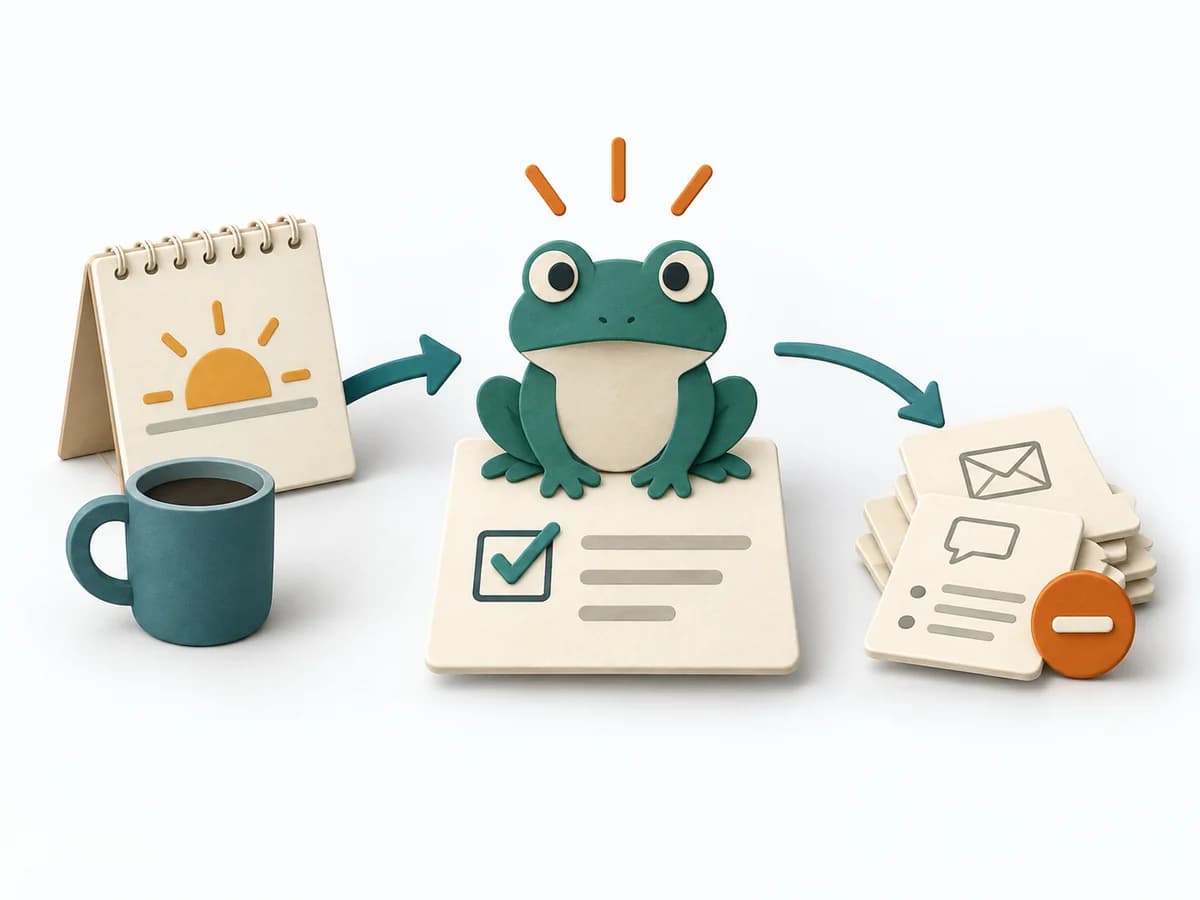 Operations Eat the Frog | 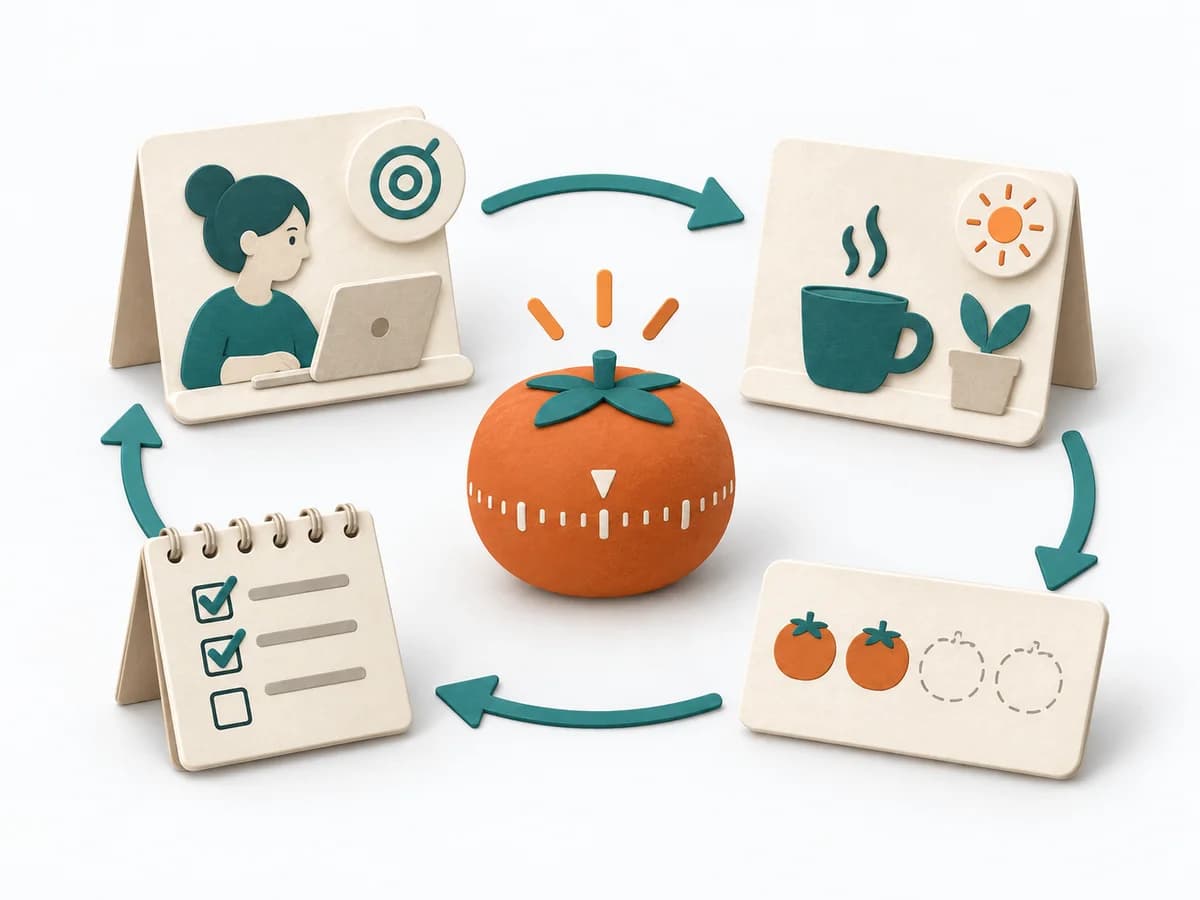 Operations Pomodoro Technique |
|---|---|---|---|---|
Purposedifferent | The PARA Method organizes knowledge into Projects, Areas, Resources, and Archives. It creates order when digital notes, files, and tasks no longer cleanly fit current work. | For complex problems with a fuzzy situation, the method cleanly separates search space and decision. It first creates breadth in understanding and then focus in elaboration. This brings open questions, problem definition, and solution path into a traceable movement. | The method protects energy and attention for the task that creates the largest progress and is often postponed. | For easily distracted solo work, the method sets clear time boundaries for concentrated work. It protects attention when large tasks would otherwise fall apart into small avoidance moves. |
Complexitydifferent | Medium | Medium | Low | Low |
Timedifferent | 1-3 h Setup, laufend | Wochen bis Monate | 15-90 min daily | 25 min Zyklen |
Participantsdifferent | 1 | 3-12 | 1 | 1 |
Formatdifferent | Async | Workshop + async | Async | Async |
Outputdifferent | PARA Structure, Project Notes, Knowledge Archive | Problem Statement, Solution Options, Prototypes, Deliverables per Phase | Priority Task, Completion Note, Daily Focus | Focus Sessions, Task Progress, Interruption Notes |
Tagsno overlap | KnowledgeProductivityOrganization | ProcessDivergenceInnovation | PrioritizationProductivityFocusExecution | FocusTime managementProductivityExecution |