View methods side by side.
Choose up to four methods. Add them using the search and share the comparison by copying its link.
| Criterion |  Knowledge Modeling PARA Method | 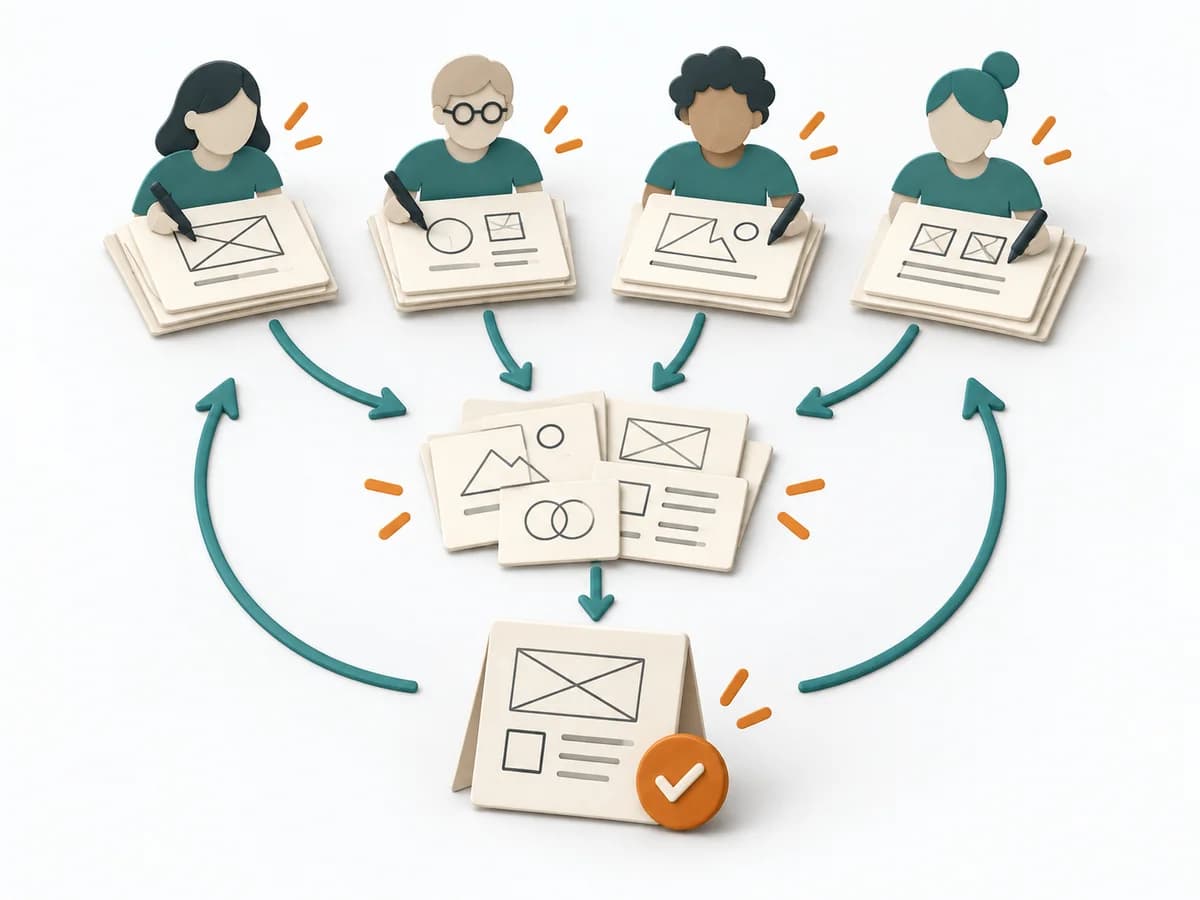 Innovation Design Charrette | 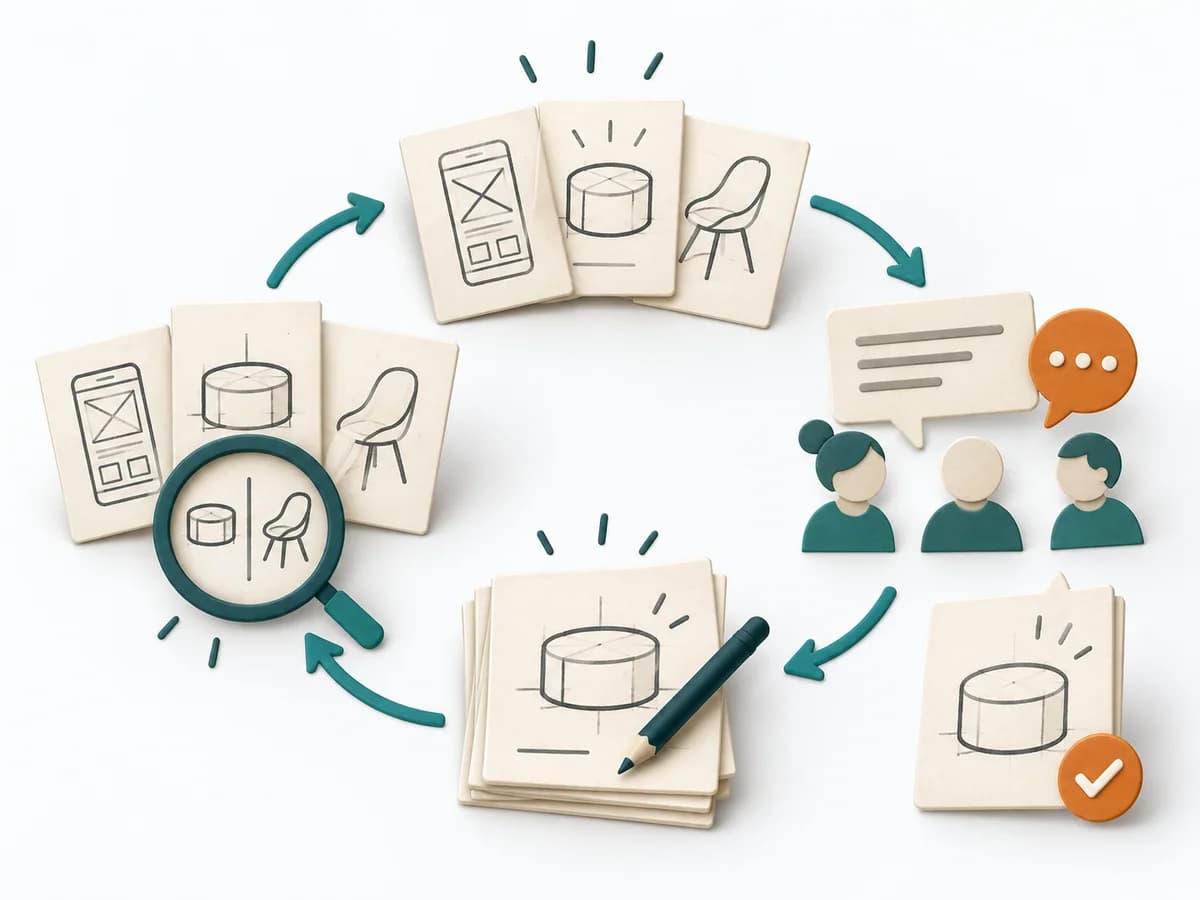 UX Design Design Studio |  Innovation Brainstorming |
|---|---|---|---|---|
Purposedifferent | The PARA Method organizes knowledge into Projects, Areas, Resources, and Archives. It creates order when digital notes, files, and tasks no longer cleanly fit current work. | In a tightly timed design process with many participants, the method pools several lines of thinking in a short time. It brings parallel design energy without letting the discussion tip into endless coordination. This quickly produces solid directions for architecture or space. | When several designs need to be quickly put in relation to each other, it makes ideas visible and comparable. It encourages early variants instead of long upfront debates. | When a team faces an open question with many obvious directions, the method first creates breadth instead of premature commitment. It separates idea flow from evaluation and makes lines of thought visible, creating a pool for selection and further development. |
Complexitydifferent | Medium | Medium | Medium | Low |
Timedifferent | 1-3 h Setup, laufend | Halber Tag bis mehrere Tage | 1-3 h | 30-60 min |
Participantsdifferent | 1 | 10-50 | 3-8 | 4-12 |
Formatdifferent | Async | Workshop | Workshop | Workshop |
Outputdifferent | PARA Structure, Project Notes, Knowledge Archive | Sketches and Concepts, Consolidated Solution Sketch, Prioritized Direction | Sketches, Concept Directions, Design Decisions | Idea pool, Theme clusters, Shortlist |
Tagsno overlap | KnowledgeProductivityOrganization | BrainstormingWorkshopCollaborationIdeation | SketchingCollaborationIdeation | BrainstormingIdeationCreativityWorkshopDivergence |