View methods side by side.
Choose up to four methods. Add them using the search and share the comparison by copying its link.
| Criterion |  Knowledge Modeling PARA Method | 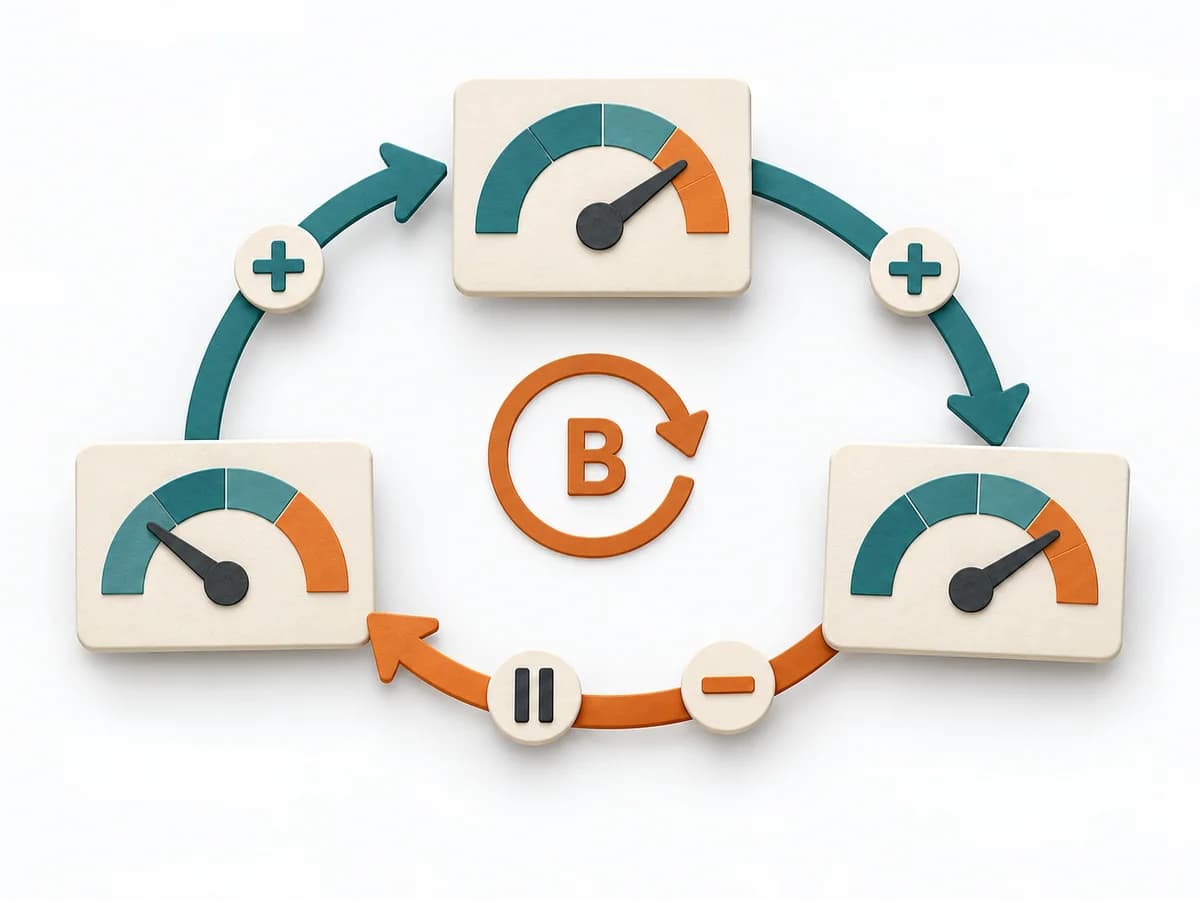 Systems Thinking Causal Loop Diagram |  Systems Thinking CATWOE Analysis |  Systems Thinking Current Reality Tree |
|---|---|---|---|---|
Purposedifferent | The PARA Method organizes knowledge into Projects, Areas, Resources, and Archives. It creates order when digital notes, files, and tasks no longer cleanly fit current work. | A Causal Loop Diagram makes feedback, reinforcement, and balance in a system legible. It uncovers side effects and self-reinforcement that stay hidden in linear explanations. | CATWOE structures a problem from six viewpoints and prevents too narrow a view of the situation. Different experiences of the system become comparably discussable this way. | A Current Reality Tree condenses many symptoms into a few causal chains. The method makes visible which core problems drive several negative effects at once. |
Complexitydifferent | Medium | Medium | Medium | High |
Timedifferent | 1-3 h Setup, laufend | 1-3 h | 45-90 min | 2-6 h |
Participantsdifferent | 1 | 2-8 | 3-8 | 3-8 |
Formatdifferent | Async | Workshop | Workshop + async | Workshop |
Outputdifferent | PARA Structure, Project Notes, Knowledge Archive | Causal Loop Diagram, Feedback Notes, Leverage Points | CATWOE Canvas, Root Definition, Stakeholder Perspectives, Constraints | Current Reality Tree, Core Problems, Intervention Ideas |
Tagsno overlap | KnowledgeProductivityOrganization | FeedbackSystems thinkingCausalityDynamics | Systems thinkingFramingStakeholders | Systems thinkingRoot causeConstraintsCausality |