View methods side by side.
Choose up to four methods. Add them using the search and share the comparison by copying its link.
| Criterion | 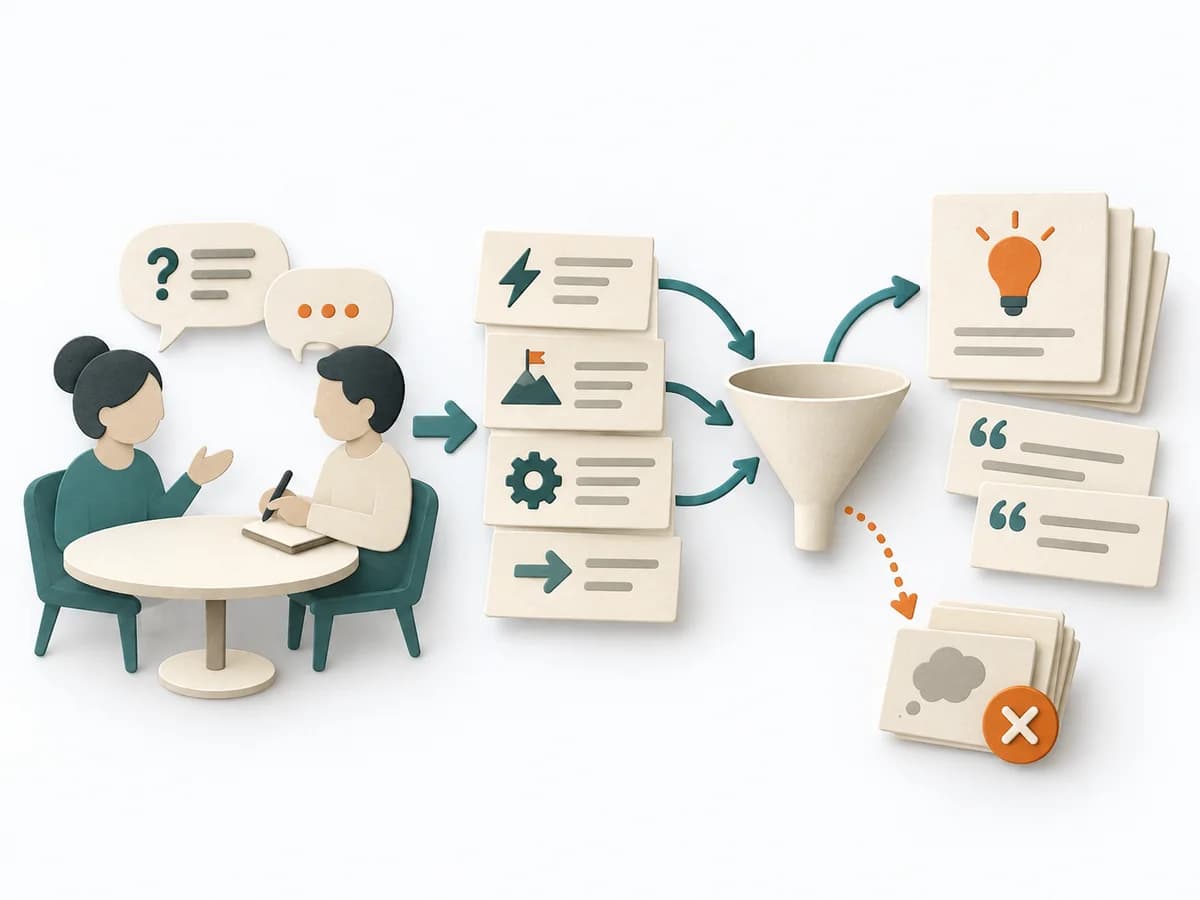 Product Discovery Opportunity Interview | 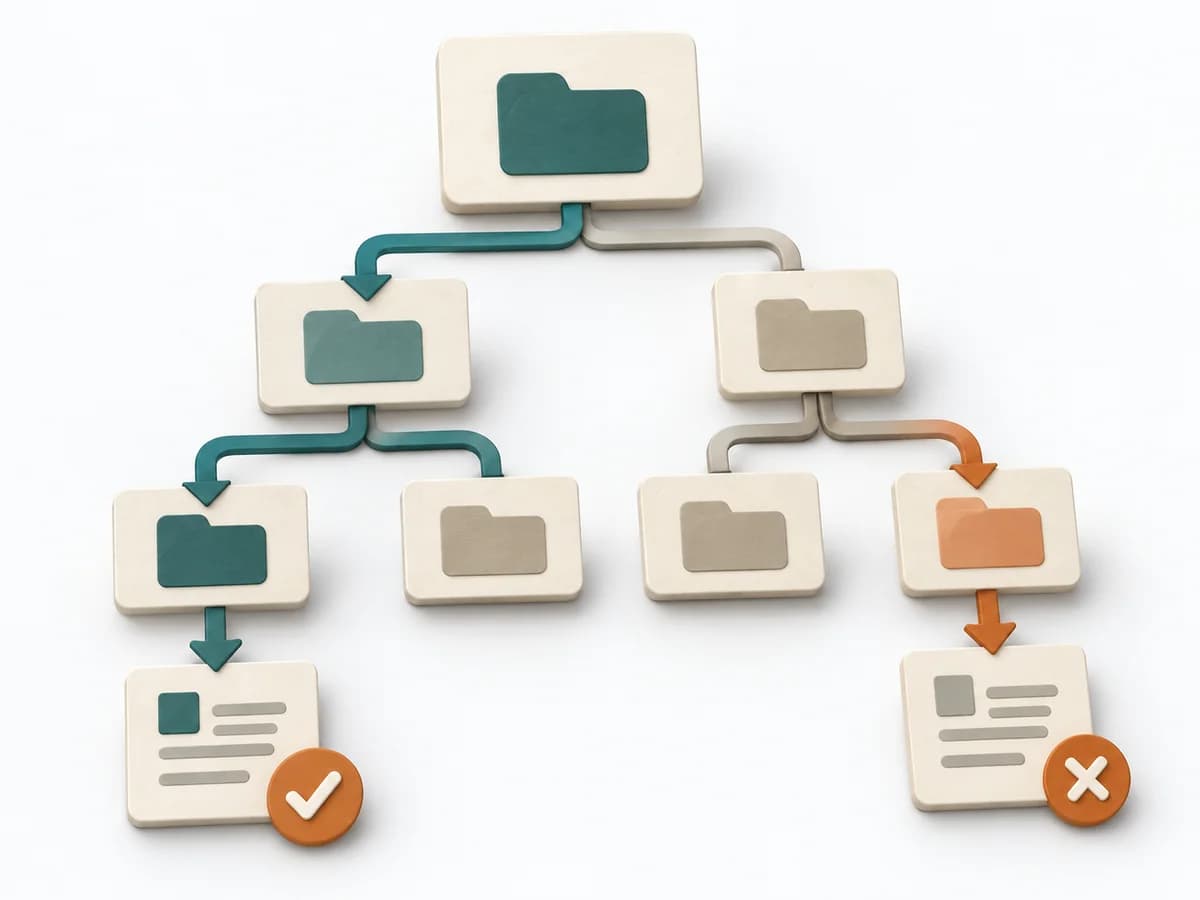 UX Research Tree Testing | 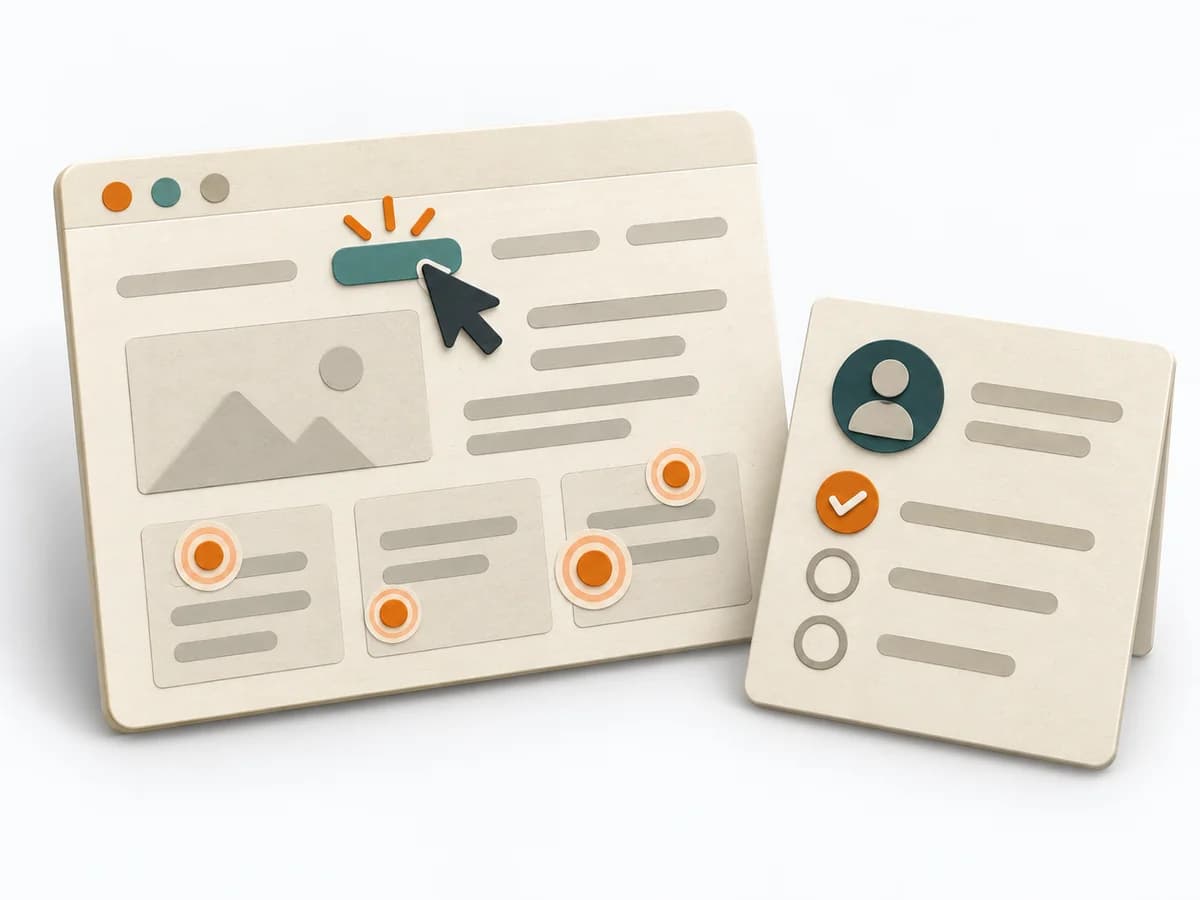 UX Research First-click Testing |  UX Research Card Sorting |
|---|---|---|---|---|
Purposedifferent | When opportunities are still hidden behind signals of need, it structures conversations around needs and obstacles. It looks for patterns that lead to new product opportunities. | When a navigation exists but search paths still fail, tree testing checks findability without visual distraction. The method shows whether labels, levels, and paths really lead to the intended destination. | When users immediately turn the wrong way on a screen or wireframe, first click testing checks initial orientation at high speed. The first click shows early whether expectation, labeling, and wayfinding fit together. | When content only makes sense internally and users can't find the structure again, card sorting exposes their mental order. Terms, groups, and naming are then aligned with the target group's expectations. |
Complexitydifferent | Medium | Medium | Low | Low |
Timedifferent | 30-60 min je Interview | 1-2 Tage | 1-2 Tage | 20-45 min |
Participantsdifferent | 5-12 Interviews | Based on research question | 10-30 | Based on research question |
Formatdifferent | Workshop + async | Async | Async | Workshop + async |
Outputdifferent | Interview Notes, Opportunity Themes, Customer Quotes | Findability Metrics, Path Analysis, Revised IA | Click Heatmap, Success Rate, Design Recommendations | Content groups, Label set, IA hypotheses |
Tagsno overlap | DiscoveryInterviewsOpportunityCustomer | Information architectureNavigationFindability | UXNavigationFindabilityValidation | Information architectureNavigationStructure |