View methods side by side.
Choose up to four methods. Add them using the search and share the comparison by copying its link.
Selected:Opportunity InterviewSoftware Architecture CanvasEventStormingArchitecture Communication Canvas
| Criterion | 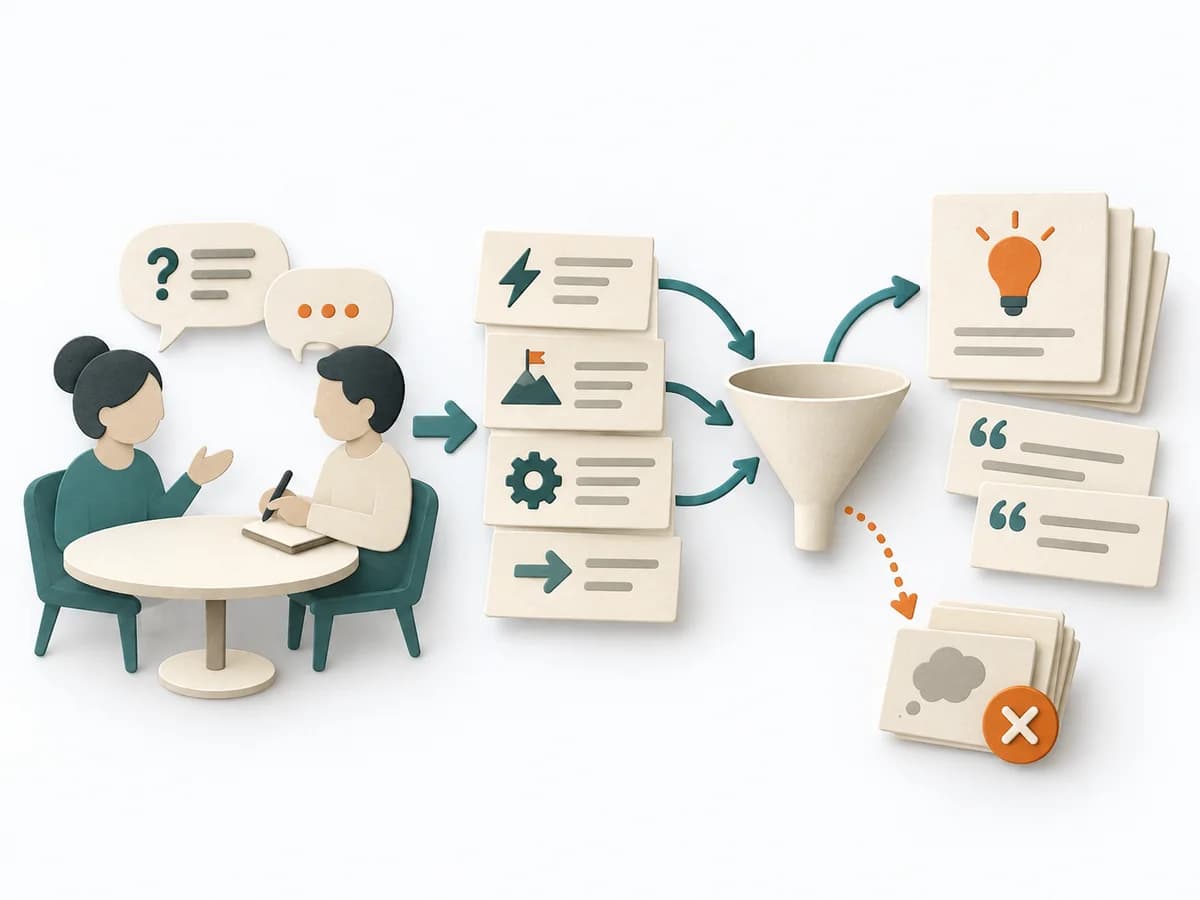 Product Discovery Opportunity Interview | 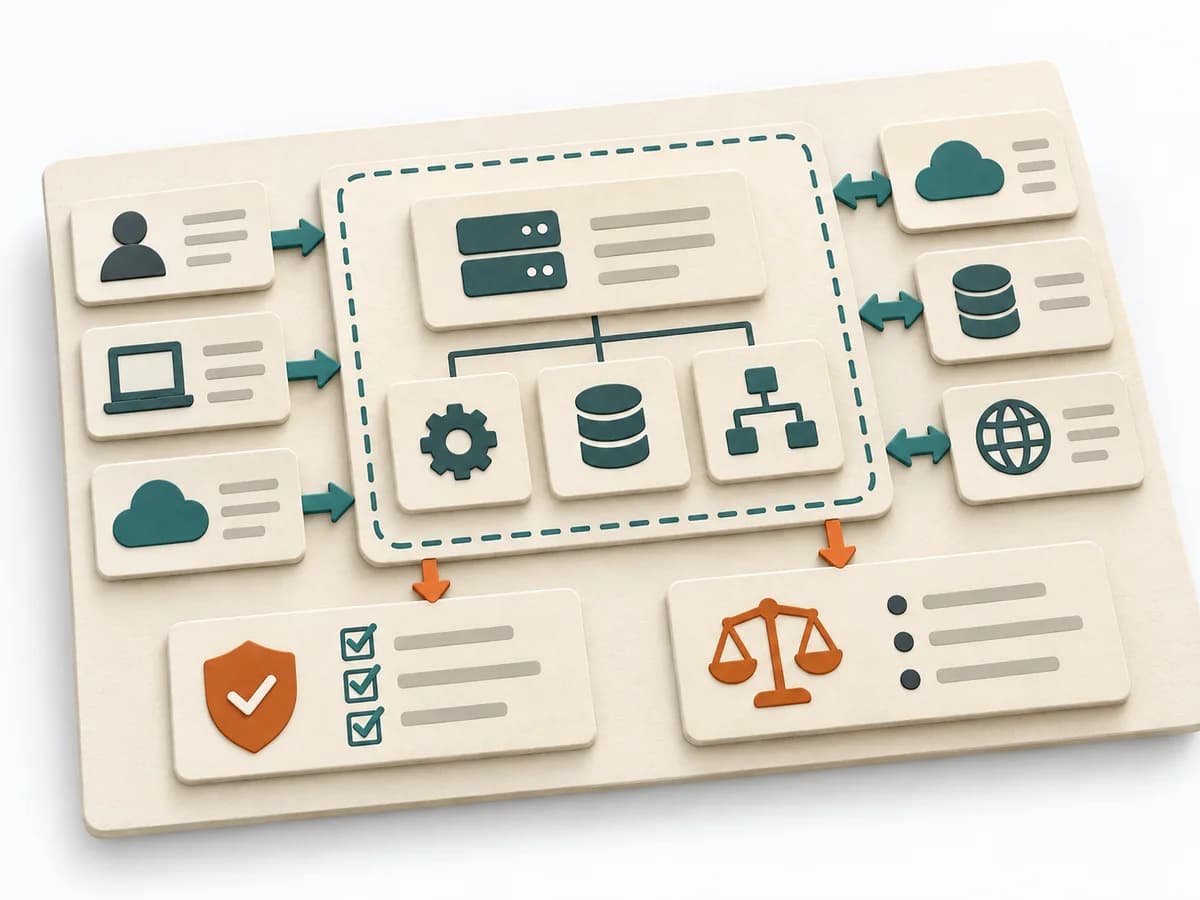 Architecture Software Architecture Canvas |  Domain Modeling EventStorming | 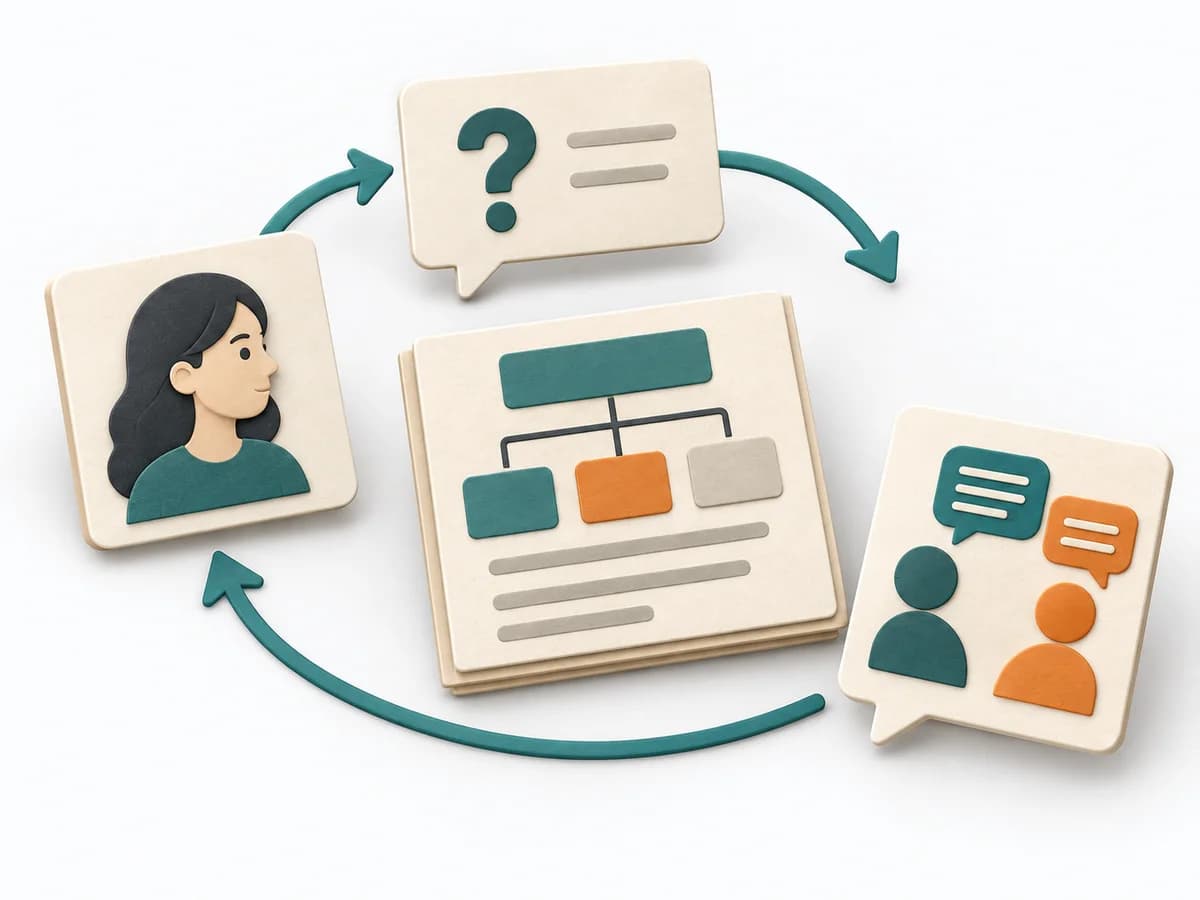 Architecture Architecture Communication Canvas |
|---|---|---|---|---|
Purposedifferent | When opportunities are still hidden behind signals of need, it structures conversations around needs and obstacles. It looks for patterns that lead to new product opportunities. | The Software Architecture Canvas reduces a system to the most important architecture decisions, constraints, and interfaces. It is useful when teams need a resilient overall picture quickly. | When a domain consists of many events, rules, and states, it creates a shared modeling space for the team. It bundles language, flows, and boundaries before domain knowledge fragments into siloed views. | The Architecture Communication Canvas plans architecture communication so the right people receive the right message. The method turns technical complexity into deliberate communication design. |
Complexitydifferent | Medium | Low | Medium | Medium |
Timedifferent | 30-60 min je Interview | 1-2 h | 2-8 h | 60-120 min |
Participantsdifferent | 5-12 Interviews | 3-10 | 5-12 | 2-8 |
Formatdifferent | Workshop + async | Workshop | Workshop | Workshop + async |
Outputdifferent | Interview Notes, Opportunity Themes, Customer Quotes | Architecture Canvas, Goals, Constraints, Quality Attributes | Event Timeline, Ubiquitous Language, Boundaries, Open Questions | Communication Canvas, Stakeholder Messages, Architecture Communication Plan |
Tagsno overlap | DiscoveryInterviewsOpportunityCustomer | CanvasArchitectureAlignmentWorkshop | Domain-Driven DesignEventsDiscoveryWorkshop | ArchitectureCommunicationStakeholdersCanvas |