View methods side by side.
Choose up to four methods. Add them using the search and share the comparison by copying its link.
| Criterion | 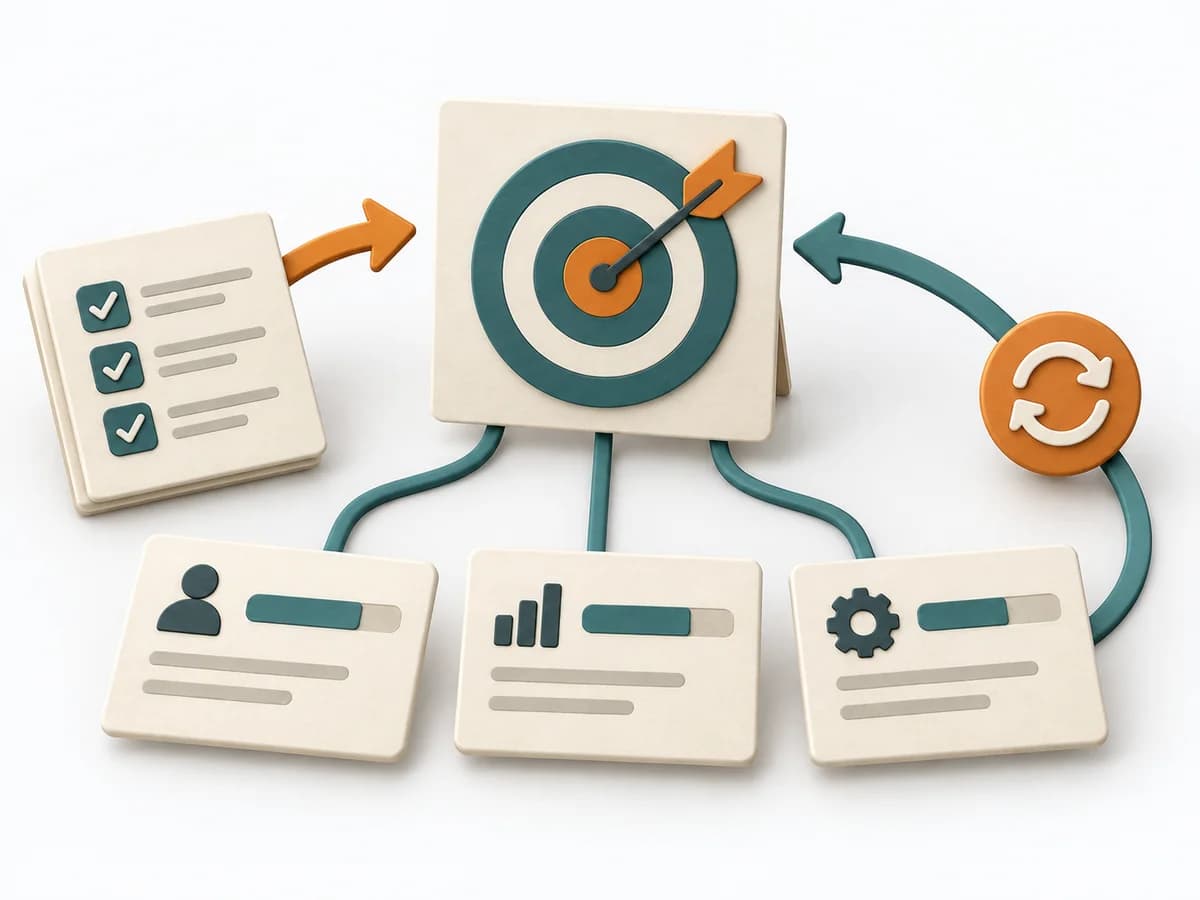 Product Strategy OKRs | 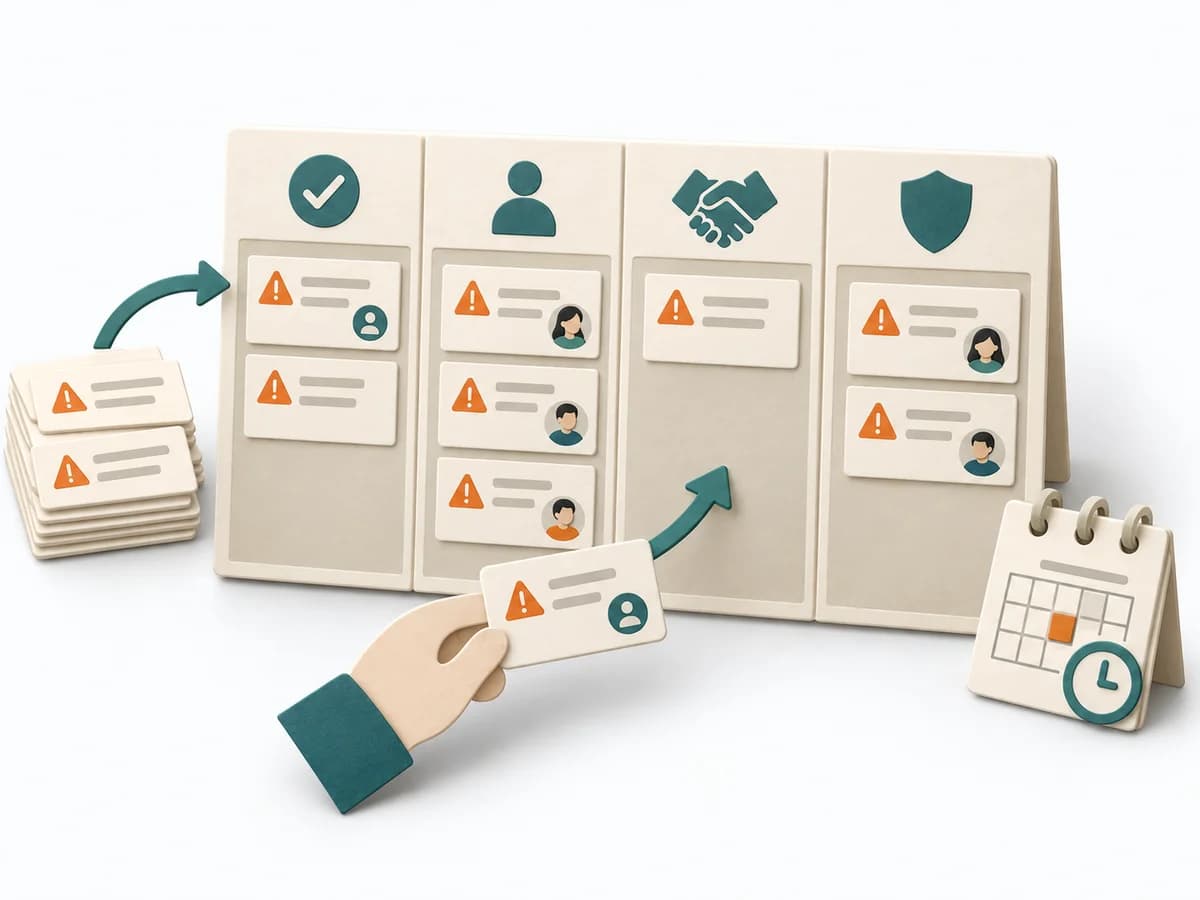 Agile ROAM Board | 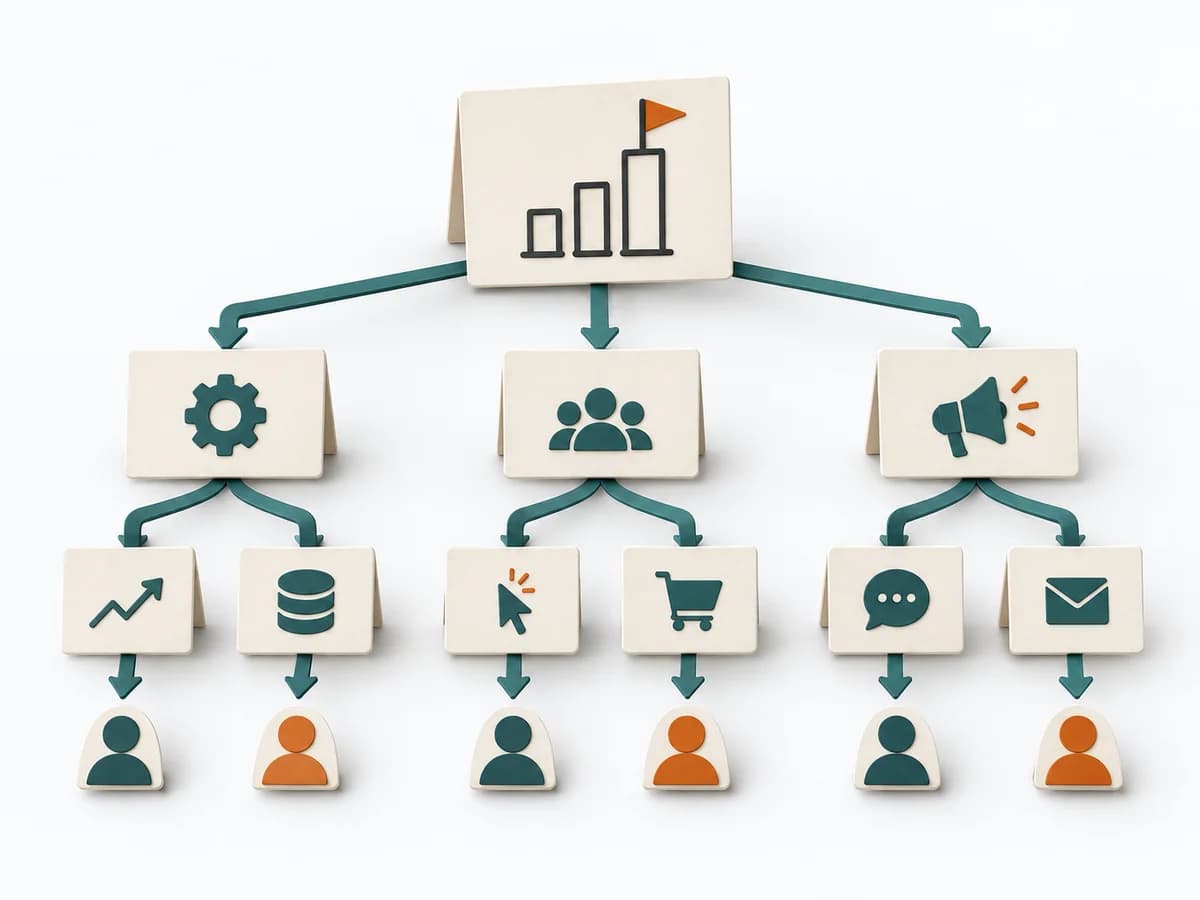 Product Strategy KPI Tree |  Facilitation Alignment Mapping |
|---|---|---|---|---|
Purposedifferent | When strategic direction needs to become measurable, it connects ambition with checkable results. It makes goals connectable to focus and review. | When work needs to move between different states or columns, it makes that movement and its handoffs legible. It sorts work by value, risk, and delivery ability. The result is captured as a ROAM Board and an Owner List. | When metrics across the organization drift apart, it arranges drivers and effects under one shared logic. It connects customer value, product logic, and decision priorities. The result is captured as a KPI tree and owner list. | When several people work toward one goal but hold different mental maps, Alignment Mapping makes the discrepancies visible. It arranges goals, assumptions, and priorities so shared direction becomes verifiable. |
Complexitydifferent | Medium | Low | Medium | Medium |
Timedifferent | 1-2 h Setup | 20-40 min initial, dann laufend | 90-180 min initial, dann laufend | 1-2 h |
Participantsdifferent | 2-20 | 3-15 | 3-8 | 4-12 |
Formatdifferent | Workshop + async | Workshop + async | Workshop + async | Workshop |
Outputdifferent | OKR set, Measurement plan, Review cadence | ROAM Board, Owner List | KPI Tree, Owner List | Alignment Map, Open Issues, Decision Questions |
Tags1 shared | GoalsAlignmentOutcomesMeasurement | RiskAgileTrackingAlignment | MetricsStrategyAlignmentMeasurement | AlignmentStakeholdersStrategyFacilitation |