View methods side by side.
Choose up to four methods. Add them using the search and share the comparison by copying its link.
| Criterion |  Product Discovery Outcome-Driven Innovation | 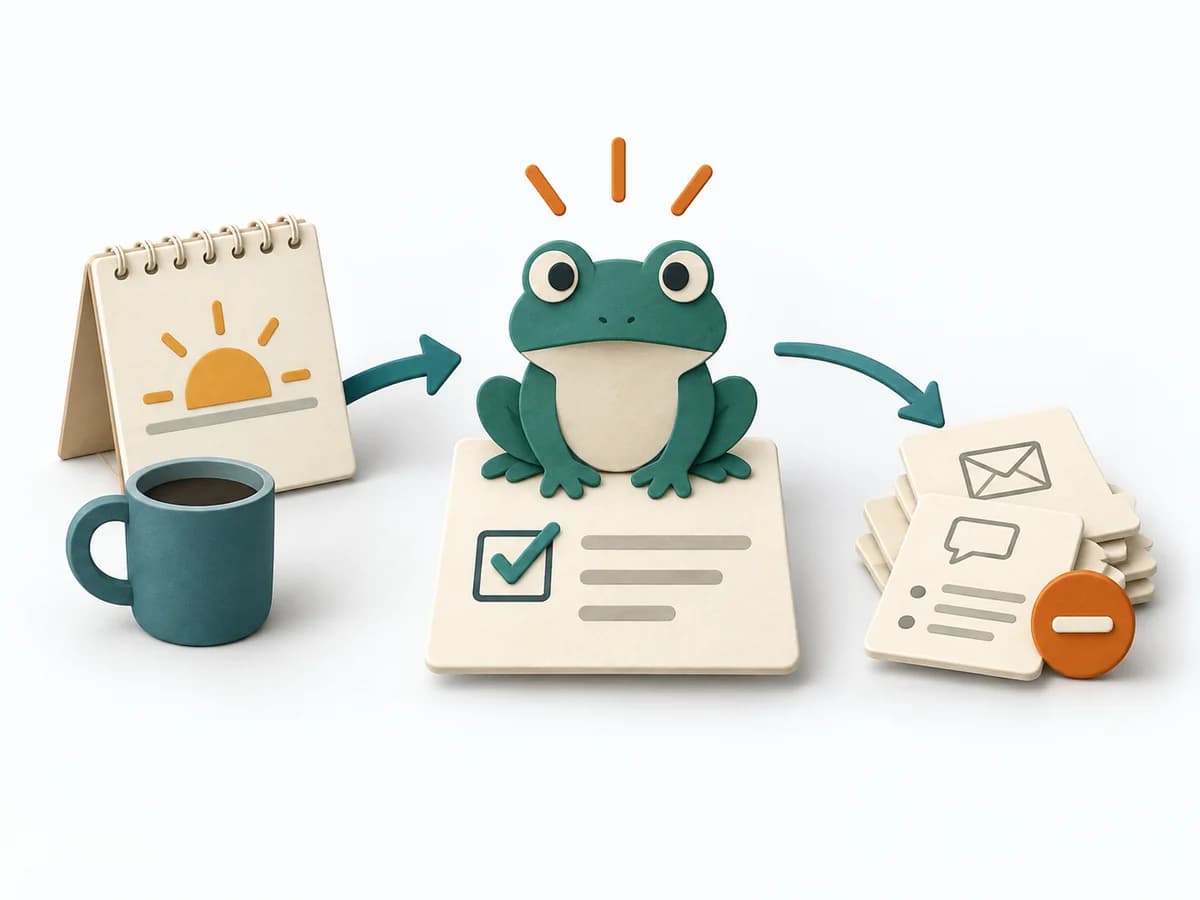 Operations Eat the Frog | 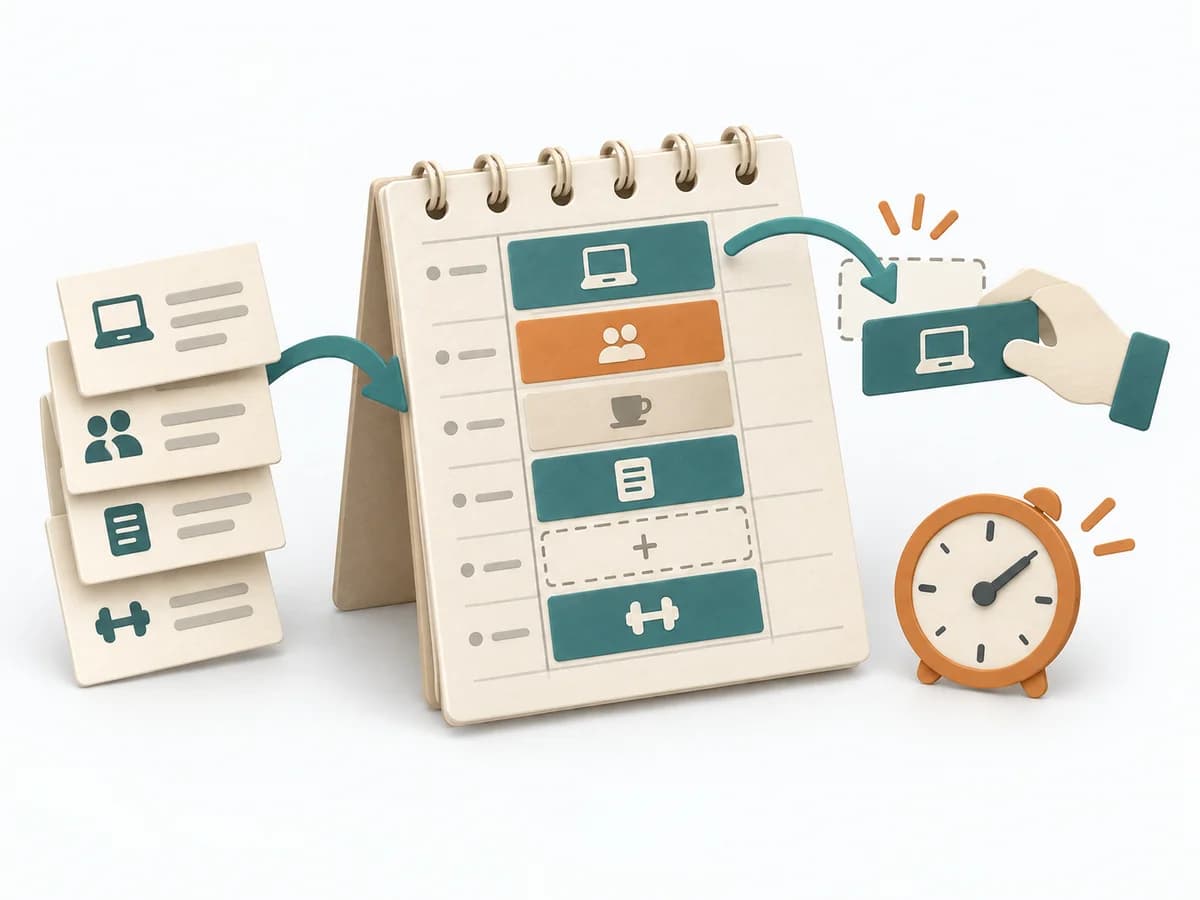 Operations Time Blocking | 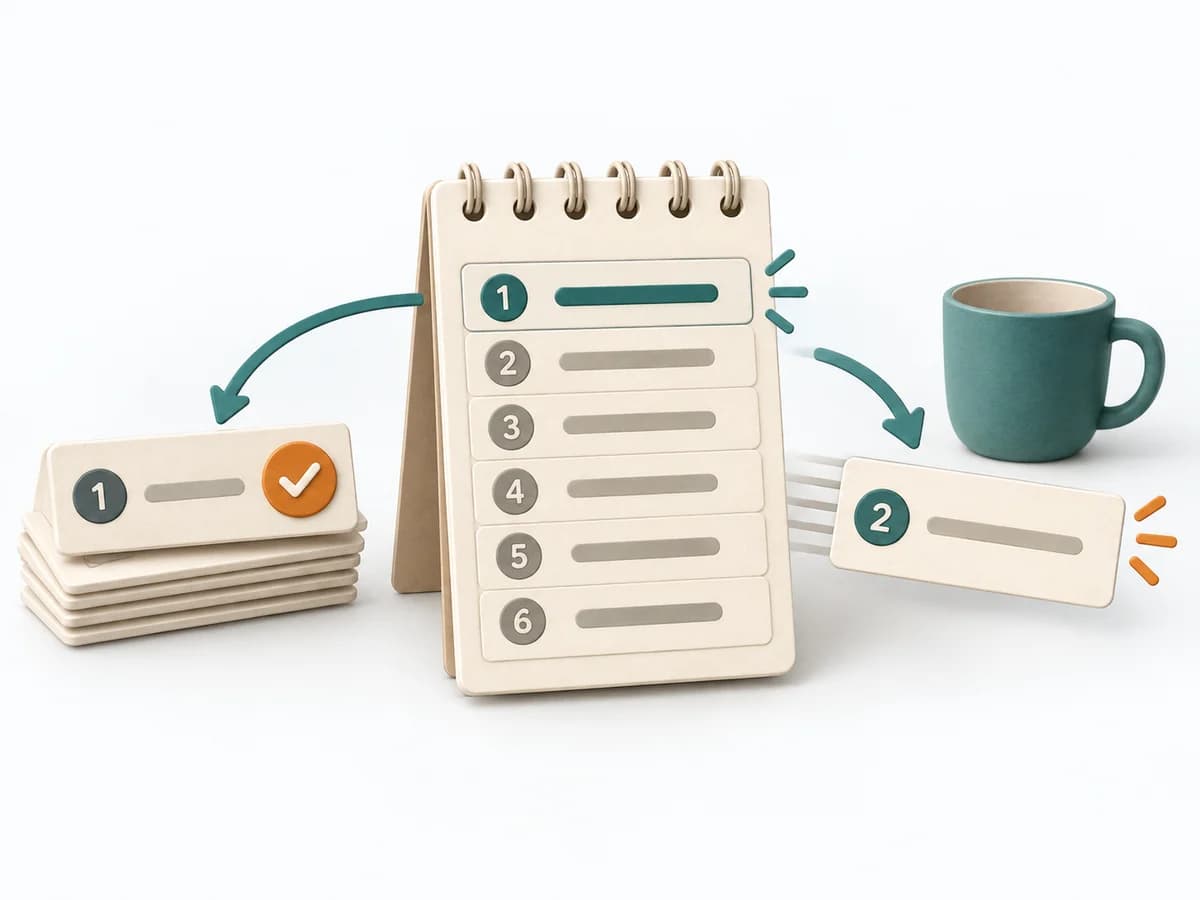 Operations Ivy Lee Method |
|---|---|---|---|---|
Purposedifferent | Outcome-Driven Innovation clarifies customer problems, solution opportunities, and evidence. It separates jobs, desired outcomes, importance, satisfaction, and opportunity, and captures results as desired outcome statements, an opportunity landscape, and segments by underserved needs. | The method protects energy and attention for the task that creates the largest progress and is often postponed. | With a calendar that grows on request, the method makes available time explicit again. It combines appointments, focus work, and buffer into a more realistic day structure. | With a restless workday full of too many open items, the method creates radical simplicity. It directs attention to a short sequence instead of a broad, still-open field. |
Complexitydifferent | High | Low | Low | Low |
Timedifferent | Mehrere Wochen | 15-90 min daily | 15-30 min Planung, laufend | 5-10 min daily |
Participantsdifferent | 2-6 researchers plus sample | 1 | 1 | 1 |
Formatdifferent | Workshop + async | Async | Async | Async |
Outputdifferent | Desired outcome statements, Opportunity landscape, Segmentation by underserved needs, Innovation hypotheses | Priority Task, Completion Note, Daily Focus | Blocked Calendar, Capacity View, Focus Plan | Daily Priority List, Completion Notes |
Tagsno overlap | OutcomesInnovationResearchQuantitative | PrioritizationProductivityFocusExecution | PlanningTime managementFocus | PrioritizationProductivityExecution |