View methods side by side.
Choose up to four methods. Add them using the search and share the comparison by copying its link.
| Criterion |  Delivery MoSCoW | 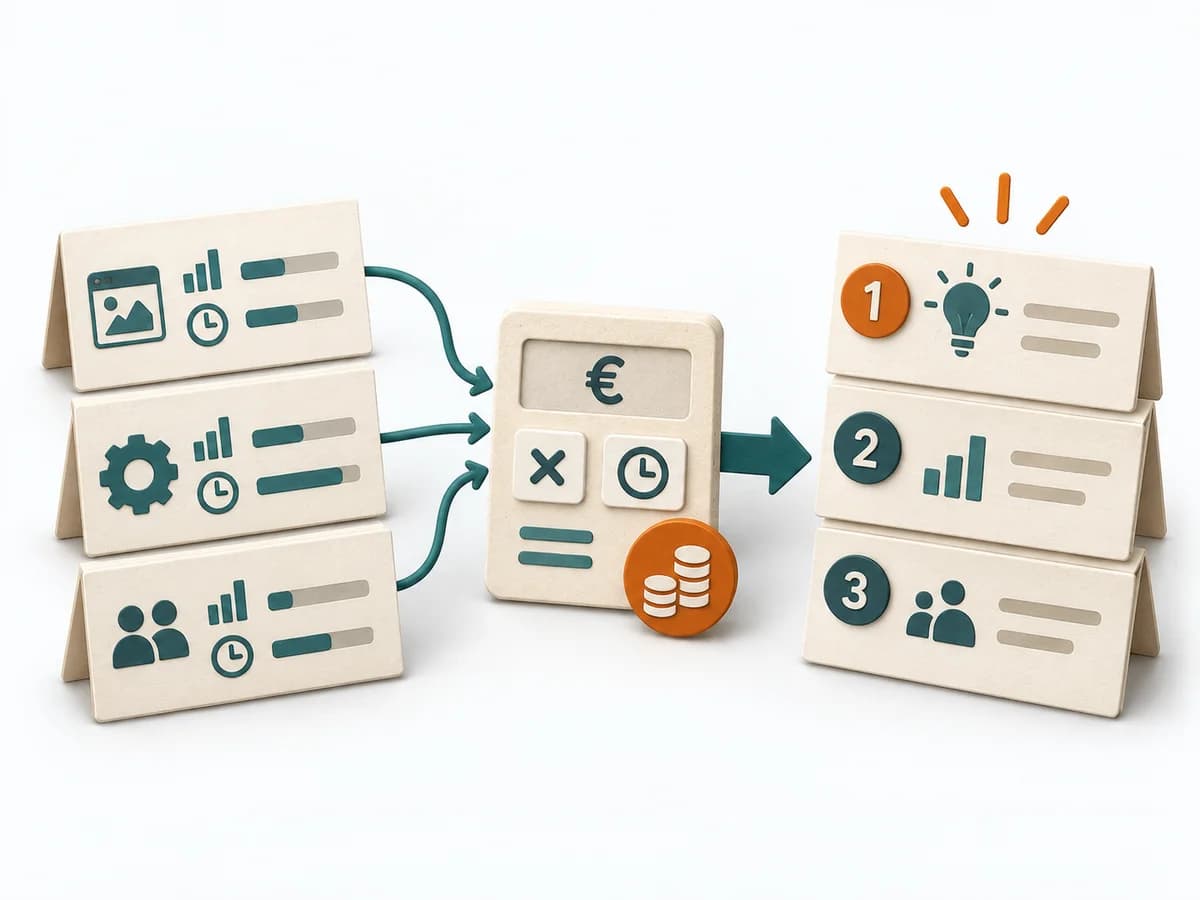 Delivery Cost of Delay | 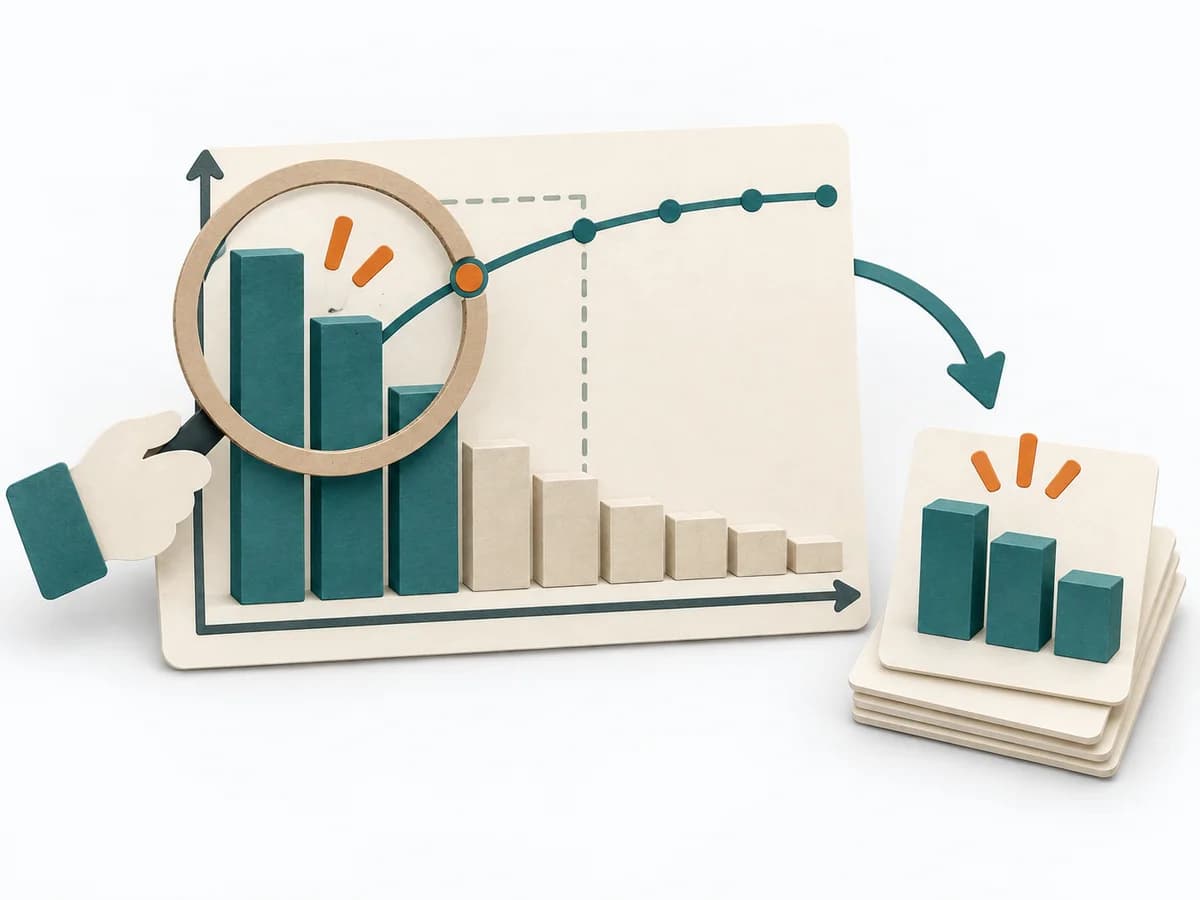 Decision Making Pareto Analysis |  Operations Failure Mode and Effects Analysis |
|---|---|---|---|---|
Purposedifferent | When a release carries too many demands and priorities are only ever negotiated, MoSCoW creates clear boundaries for the next cut. Must, Should, Could, and Won't make commitment, room for maneuver, and trade-off logic visible to everyone involved. | Helps clarify scope, order, and delivery flow in concrete terms. It makes work, constraints, and sequence manageable. The result is captured as a Cost of Delay table and prioritization sequence. | In many problem situations, effect is distributed unequally across many causes. A Pareto Analysis separates the few drivers with high leverage from the long remainder and focuses attention on what measurably moves the needle. | For a process, product, or service with noticeable failure risks, the method assesses possible failure modes in advance. It directs attention to combinations of occurrence, effect, and detectability. |
Complexitydifferent | Low | High | Low | High |
Timedifferent | 30-90 min | 90-180 min | 30-60 min | 2-6 h |
Participantsdifferent | 3-12 | 3-8 | 1-6 | 3-10 |
Formatdifferent | Workshop + async | Workshop | Workshop + async | Workshop |
Outputdifferent | Prioritized Backlog, Release Scope, Tradeoff Notes | CoD Table, Prioritization Sequence | Pareto Chart, Top Causes, Focus List | FMEA Table, Risk Priority, Mitigation Actions |
Tagsno overlap | PrioritizationScopeDecision | PrioritizationDeliveryEconomicsDecision | PrioritizationQualityFocusRoot cause | RiskQualityOperationsRoot cause |