View methods side by side.
Choose up to four methods. Add them using the search and share the comparison by copying its link.
| Criterion |  Delivery MoSCoW | 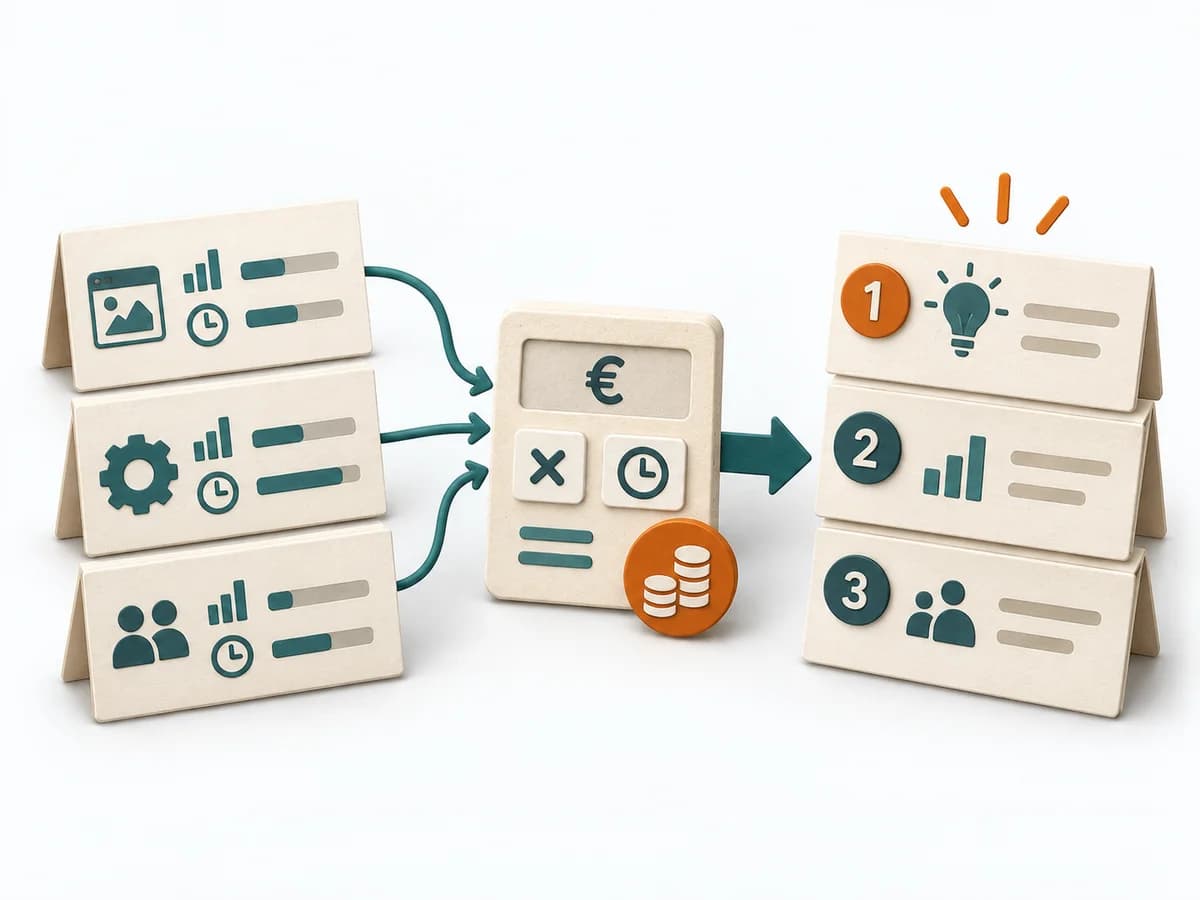 Delivery Cost of Delay |  Facilitation 1-2-4-All | 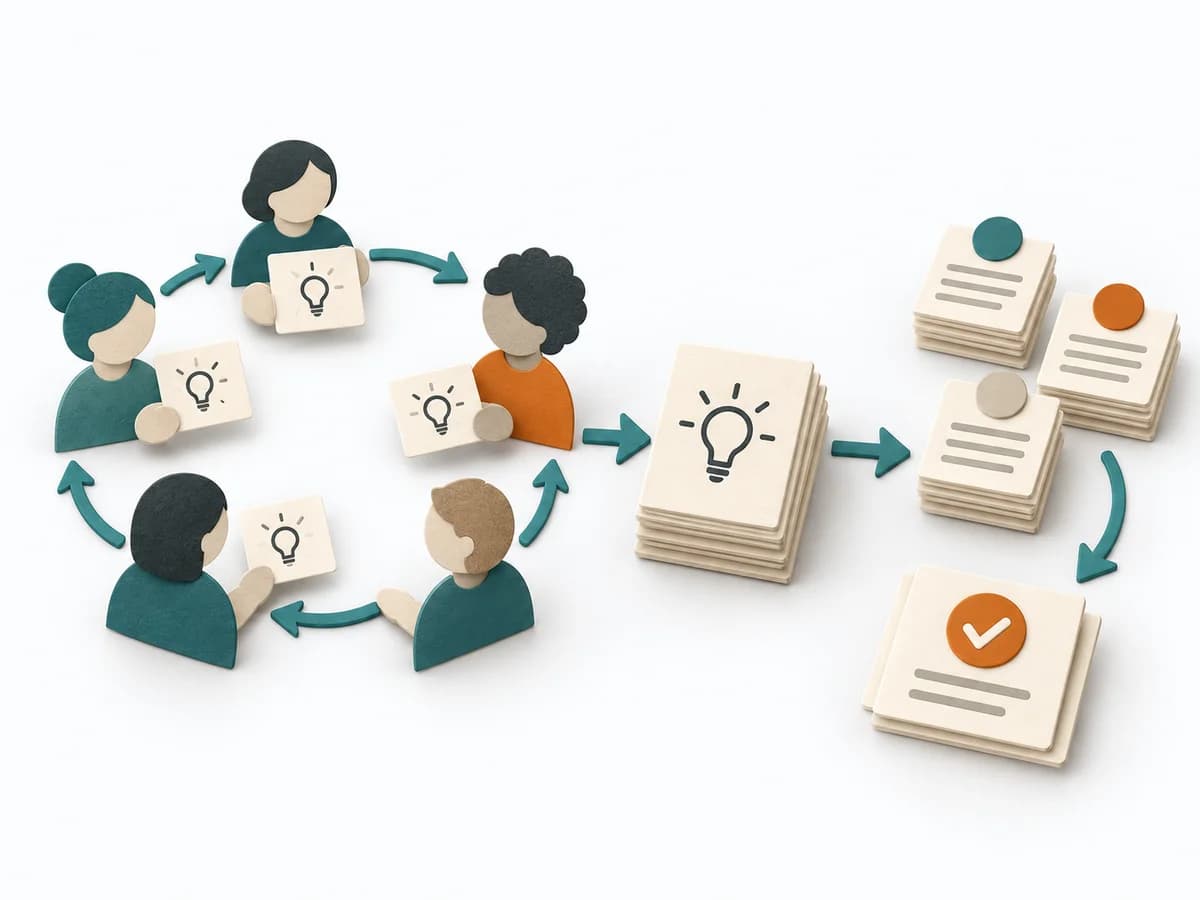 Innovation Round Robin Brainstorming |
|---|---|---|---|---|
Purposedifferent | When a release carries too many demands and priorities are only ever negotiated, MoSCoW creates clear boundaries for the next cut. Must, Should, Could, and Won't make commitment, room for maneuver, and trade-off logic visible to everyone involved. | Helps clarify scope, order, and delivery flow in concrete terms. It makes work, constraints, and sequence manageable. The result is captured as a Cost of Delay table and prioritization sequence. | When many people in a group too rarely get to speak, 1-2-4-All distributes thinking time more fairly. The format builds participation step by step and makes quiet or still-unformed thoughts usable faster. | With unevenly distributed speaking time, the method brings every person into the contribution one after another. It prevents early voices from setting the direction while still producing a shared idea space. This makes participation plannable and the team's diversity visible. |
Complexitydifferent | Low | High | Low | Low |
Timedifferent | 30-90 min | 90-180 min | 10-20 min | 20-45 min |
Participantsdifferent | 3-12 | 3-8 | 4-100+ | 4-10 |
Formatdifferent | Workshop + async | Workshop | Workshop | Workshop |
Outputdifferent | Prioritized Backlog, Release Scope, Tradeoff Notes | CoD Table, Prioritization Sequence | Idea List, Shared Insights, Emergent Themes | Idea List, Cluster, Shortlist |
Tagsno overlap | PrioritizationScopeDecision | PrioritizationDeliveryEconomicsDecision | FacilitationInclusionIdeation | BrainstormingIdeationFacilitationInclusionCreativity |