View methods side by side.
Choose up to four methods. Add them using the search and share the comparison by copying its link.
| Criterion |  Systems Thinking Leverage Points | 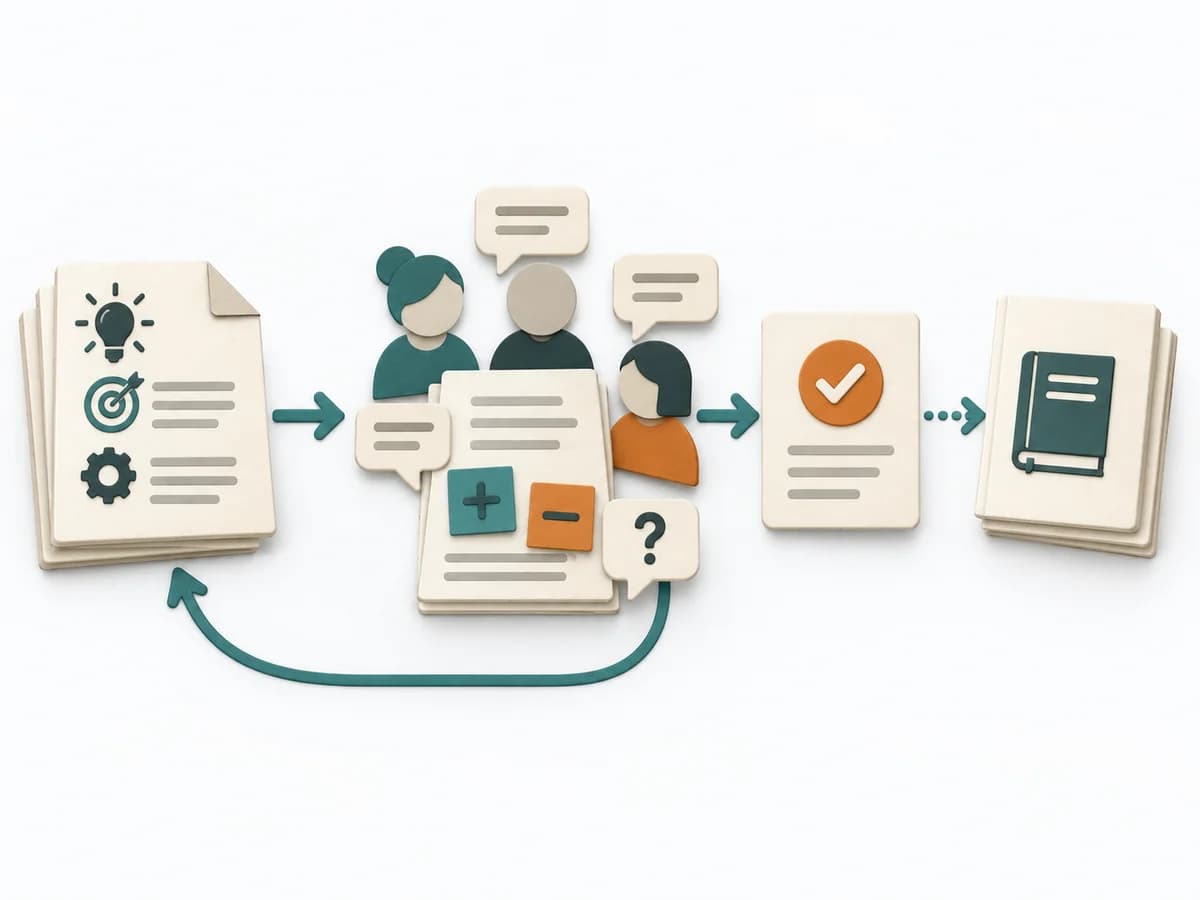 Architecture Request for Comments | 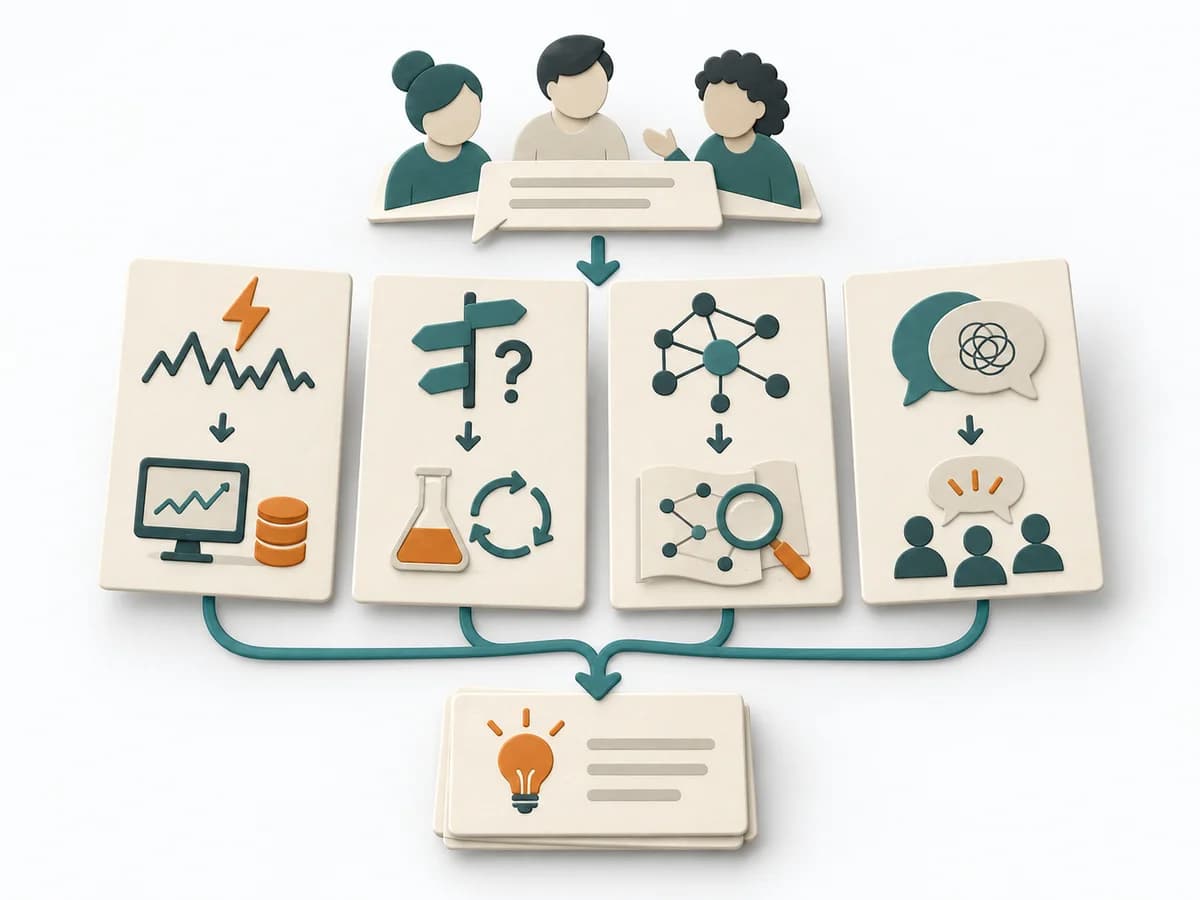 Systems Thinking VUCA Scan |  Systems Thinking Soft Systems Methodology |
|---|---|---|---|---|
Purposedifferent | Leverage Points show exactly where interventions in a system produce a disproportionate effect. It draws relationships, patterns, and feedback loops. The result is captured as a leverage map and action strategy. | An RFC clarifies architecture context, options, and consequences. It structures technical context, alternatives, tradeoffs, open questions, and review feedback, and captures the result as an RFC document, reviewer comments, and a decision rationale. | The VUCA Scan helps read difficult situations more precisely. Instead of treating unclarity as generally complicated, the method separates fast change, missing knowledge, systemic entanglement, and ambiguous interpretation. | Soft Systems Methodology helps explore unclear or politically charged problems systematically. Instead of forcing a quick answer, the method builds a shared understanding of perspectives and room for action. |
Complexitydifferent | High | Medium | Low | High |
Timedifferent | Half day | 1-3 Wochen vom Draft bis zur Entscheidung | 30-90 min | 0.5-3 Tage |
Participantsdifferent | 3-12 | 3-20 Reviewer | 1-10 | 5-15 |
Formatdifferent | Workshop | Async | Workshop + async | Workshop |
Outputdifferent | Leverage Map, Action Strategy | RFC document, Reviewer comments, Decision rationale, Follow-up ADR or tickets | VUCA Map, Response Options, Signal and Learning Plan | Rich Picture, Root Definitions, Conceptual Models, Change Agenda |
Tagsno overlap | Systems thinkingChangeStrategy | ArchitectureDecisionAsyncGovernance | SensemakingUncertaintyComplexityStrategyForesight | Soft systemsComplexitySensemakingSystems thinking |