View methods side by side.
Choose up to four methods. Add them using the search and share the comparison by copying its link.
| Criterion | 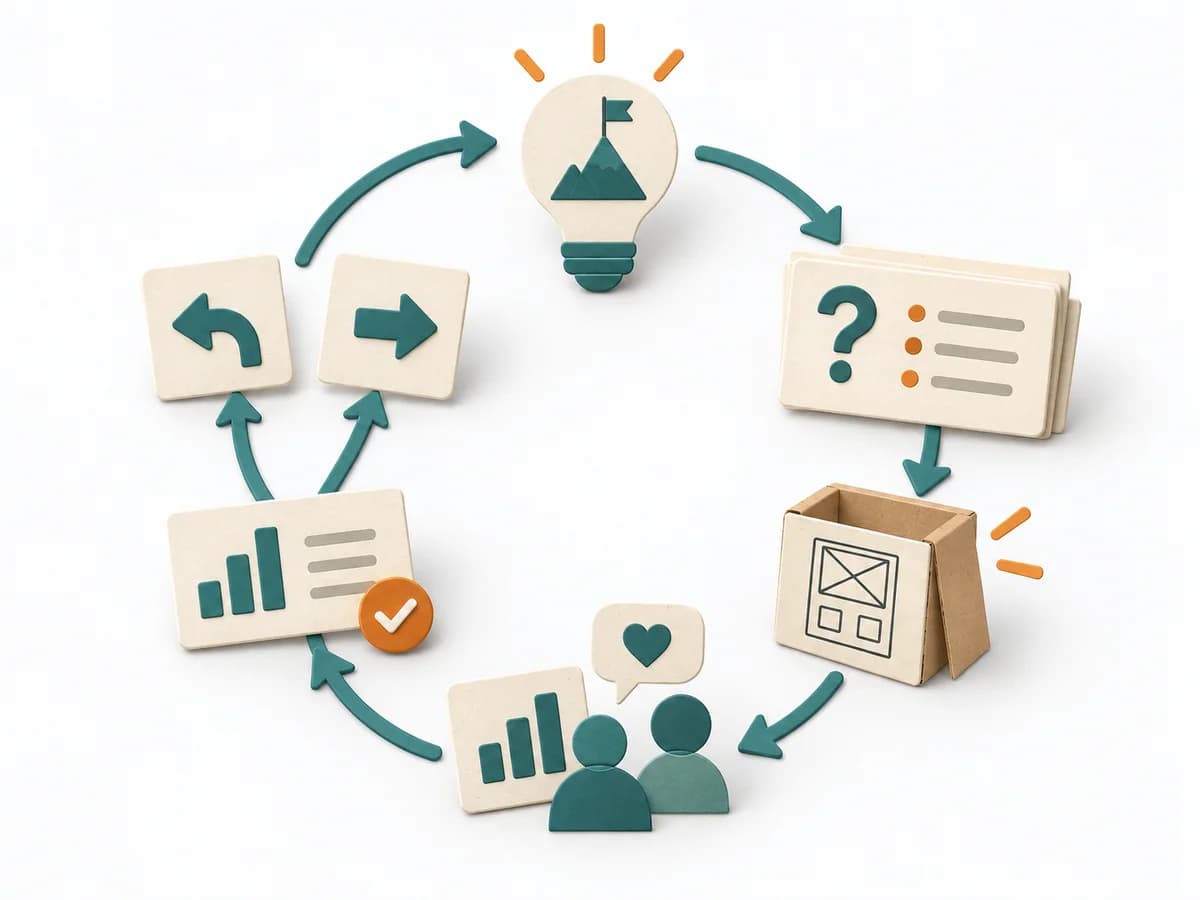 Innovation Lean Startup |  Business Strategy GAP Analysis | 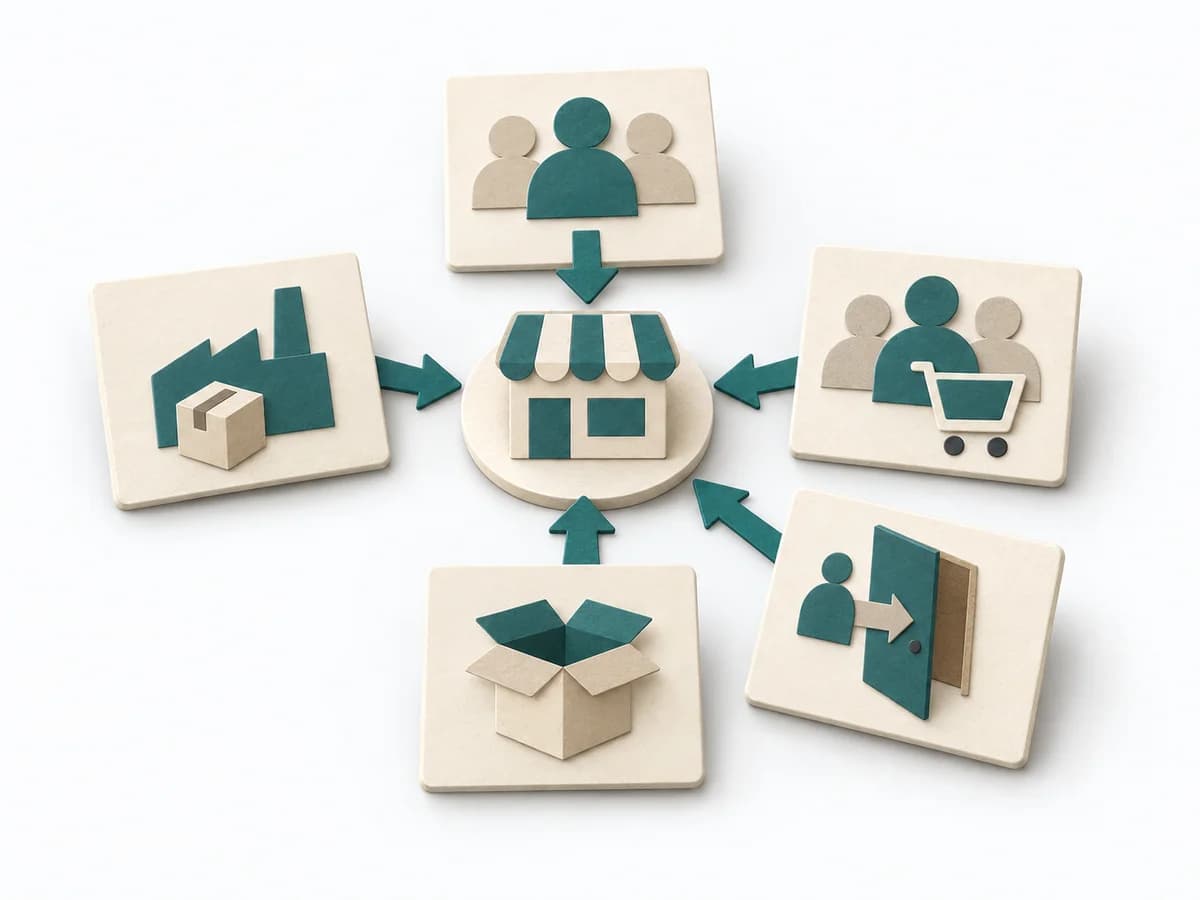 Business Strategy Porter Five Forces |  Business Strategy PESTLE Analysis |
|---|---|---|---|---|
Purposedifferent | For uncertain business assumptions, the method forces the idea into contact with real market reactions early. It separates wishful picture, assumption, and observable behavior, so that learning becomes faster than planning. This translates uncertainty into measurable insight. | GAP Analysis compares the current state with a target picture and makes the distance manageable. It becomes useful when, ahead of new initiatives, it must become clear which capabilities, processes, or resources are missing. | Porter Five Forces analyzes the forces that shape competitive pressure and profitability in a market. The view of market structure goes beyond individual competitors and reveals systemic pressure points. | PESTLE Analysis makes political, economic, social, technological, legal, and environmental influences visible. The environment of an initiative is thereby read systematically instead of through isolated trends. |
Complexitysame | Medium | Medium | Medium | Medium |
Timedifferent | Wochen bis Monate je Lernzyklus | 1-3 h | 1-3 h | 1-3 h |
Participantsdifferent | 2-8 | 2-8 | 2-8 | 2-10 |
Formatsame | Workshop + async | Workshop + async | Workshop + async | Workshop + async |
Outputdifferent | Hypothesis list, MVPs, Learning reports, Pivot or persevere decision | Gap Matrix, Action Plan, Risk Notes | Five Forces Analysis, Competitive Risks, Strategic Options | PESTLE Map, External Risks, Strategic Questions |
Tagsno overlap | LeanStartupValidationMVP | StrategyAnalysisPlanning | StrategyCompetitionMarket | StrategyMarketAnalysis |