View methods side by side.
Choose up to four methods. Add them using the search and share the comparison by copying its link.
| Criterion | 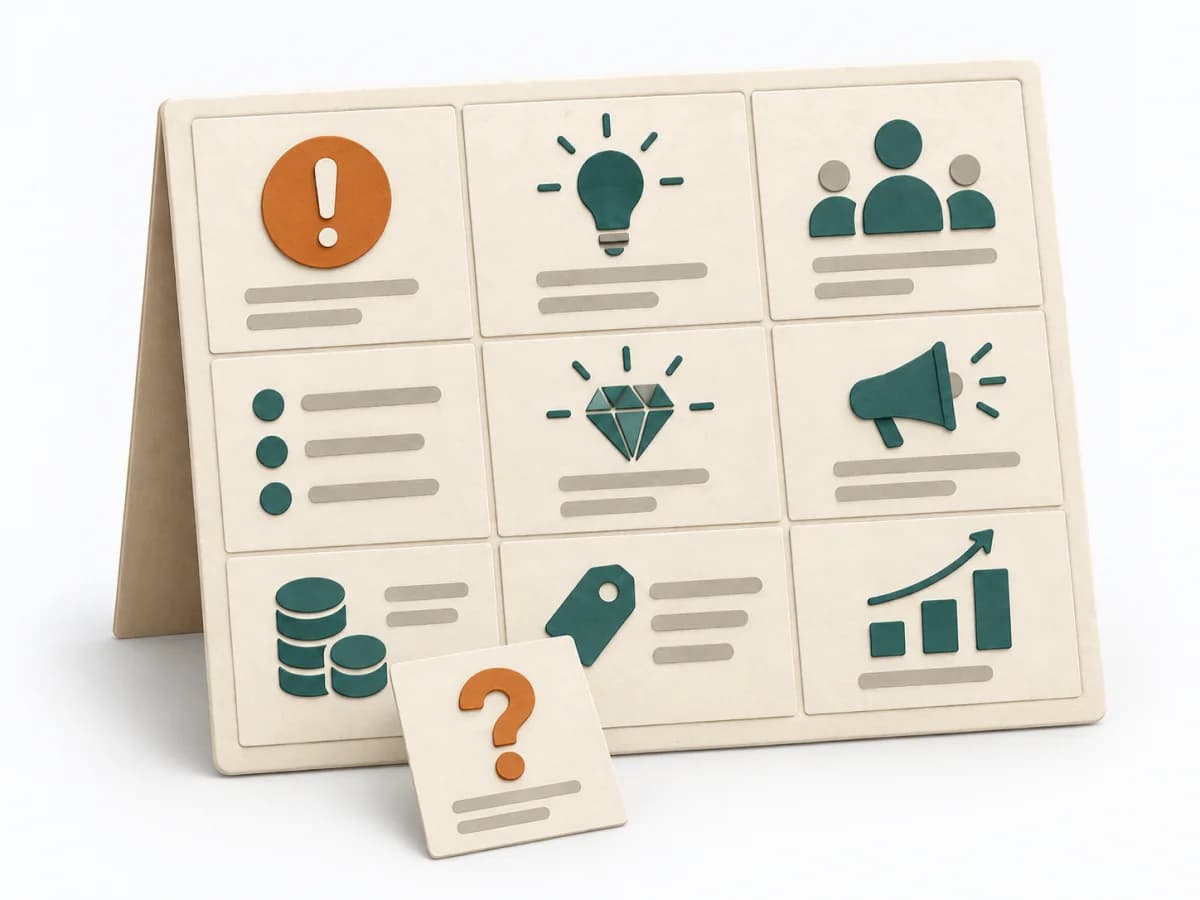 Product Strategy Lean Canvas | 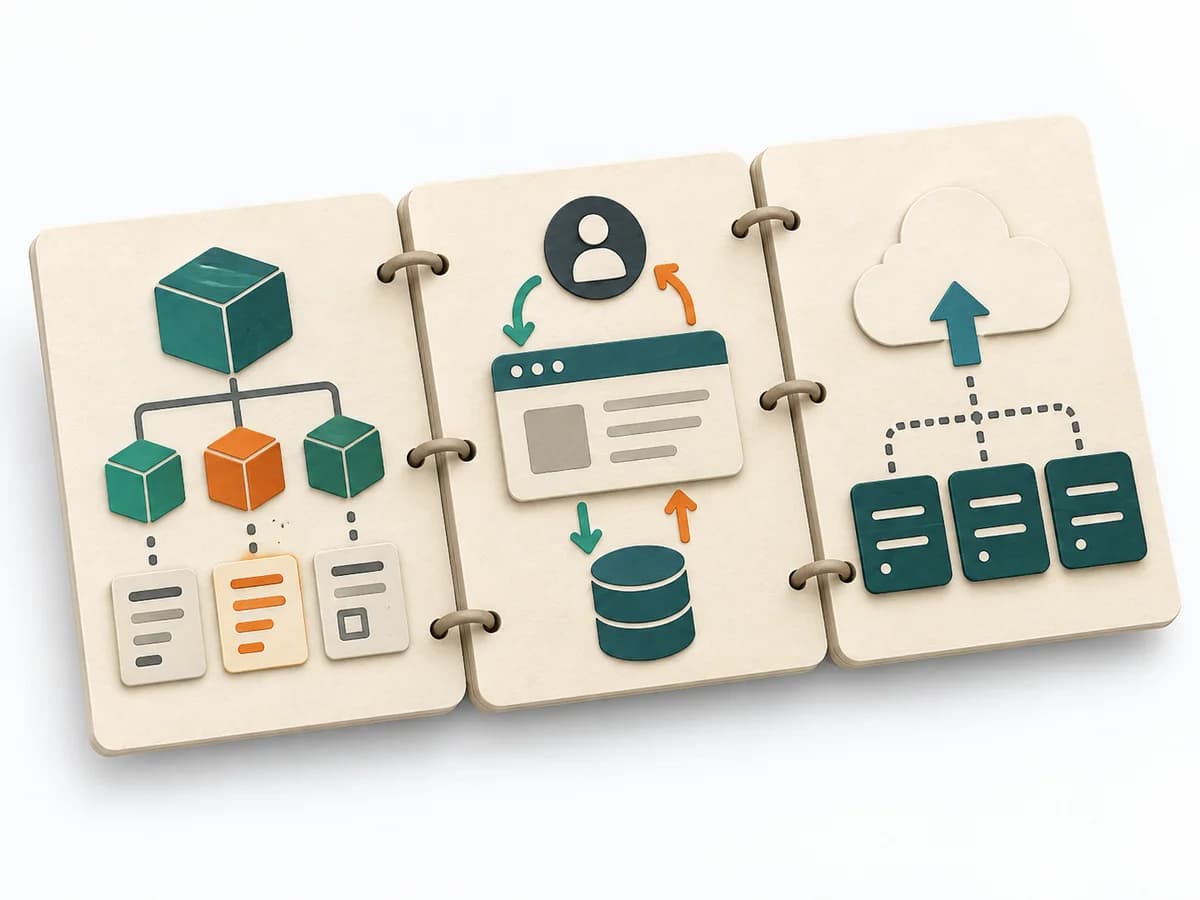 Architecture Views and Beyond | 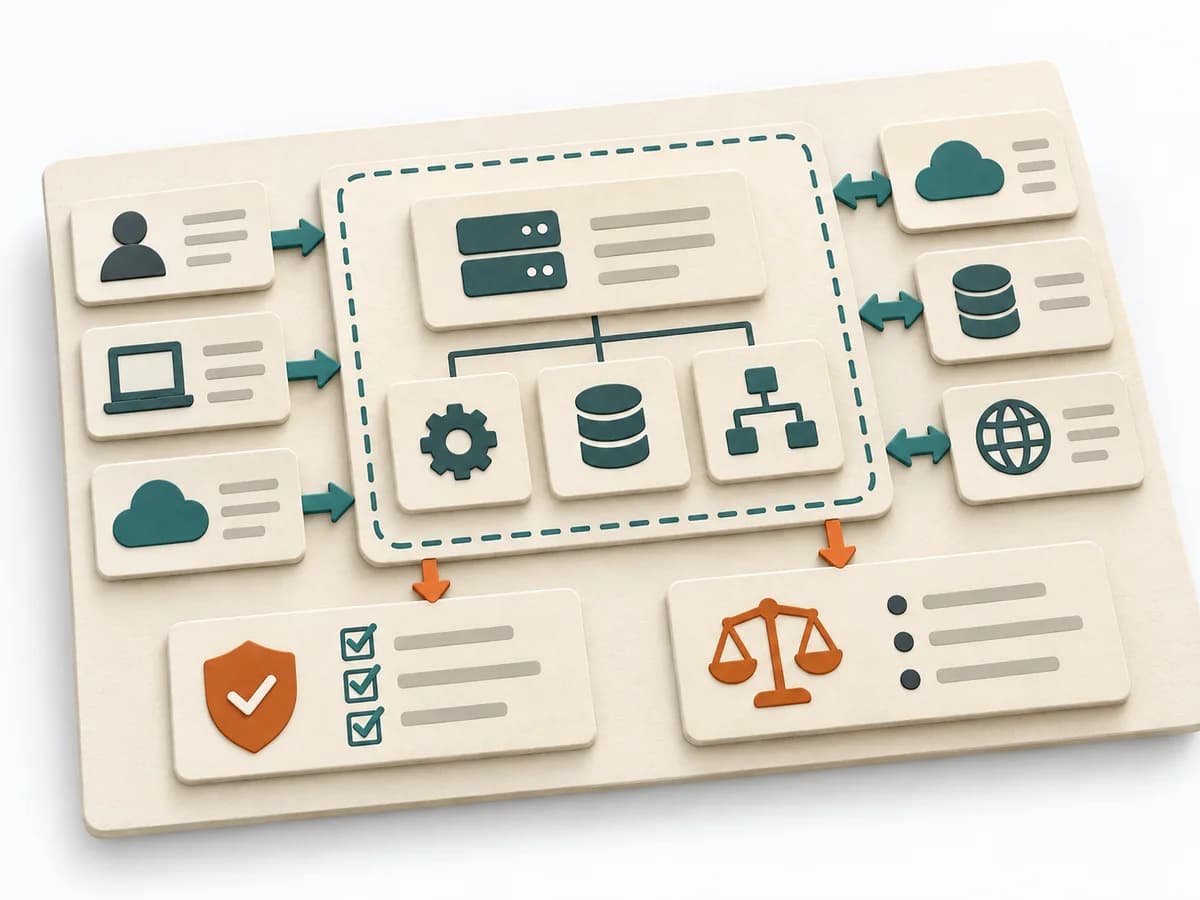 Architecture Software Architecture Canvas |  Facilitation Alignment Mapping |
|---|---|---|---|---|
Purposedifferent | When an early product bet still has too many open points, it brings target group, problem, and assumptions into a single view. It condenses the idea so core risks become nameable. | Views and Beyond organizes architecture into several views so no single diagram has to do everything at once. This makes it possible to choose the representation that fits the stakeholder's question. | The Software Architecture Canvas reduces a system to the most important architecture decisions, constraints, and interfaces. It is useful when teams need a resilient overall picture quickly. | When several people work toward one goal but hold different mental maps, Alignment Mapping makes the discrepancies visible. It arranges goals, assumptions, and priorities so shared direction becomes verifiable. |
Complexitydifferent | Medium | Medium | Low | Medium |
Timedifferent | 45-90 min | 1-3 Tage | 1-2 h | 1-2 h |
Participantsdifferent | 1-6 | 1-4 | 3-10 | 4-12 |
Formatdifferent | Workshop + async | Workshop + async | Workshop | Workshop |
Outputdifferent | Lean Canvas, Core Assumptions, Experiment Backlog | Architecture Views, Cross-view Notes, Rationale | Architecture Canvas, Goals, Constraints, Quality Attributes | Alignment Map, Open Issues, Decision Questions |
Tagsno overlap | StartupLeanAssumptionsBusiness model | DocumentationStakeholdersArchitecture | CanvasArchitectureAlignmentWorkshop | AlignmentStakeholdersStrategyFacilitation |