View methods side by side.
Choose up to four methods. Add them using the search and share the comparison by copying its link.
Selected:LASR (Lightweight Approach for Software Reviews)Opportunity InterviewOpportunity Solution TreeATAM (Architecture Tradeoff Analysis Method)
| Criterion |  Architecture LASR (Lightweight Approach for Software Reviews) | 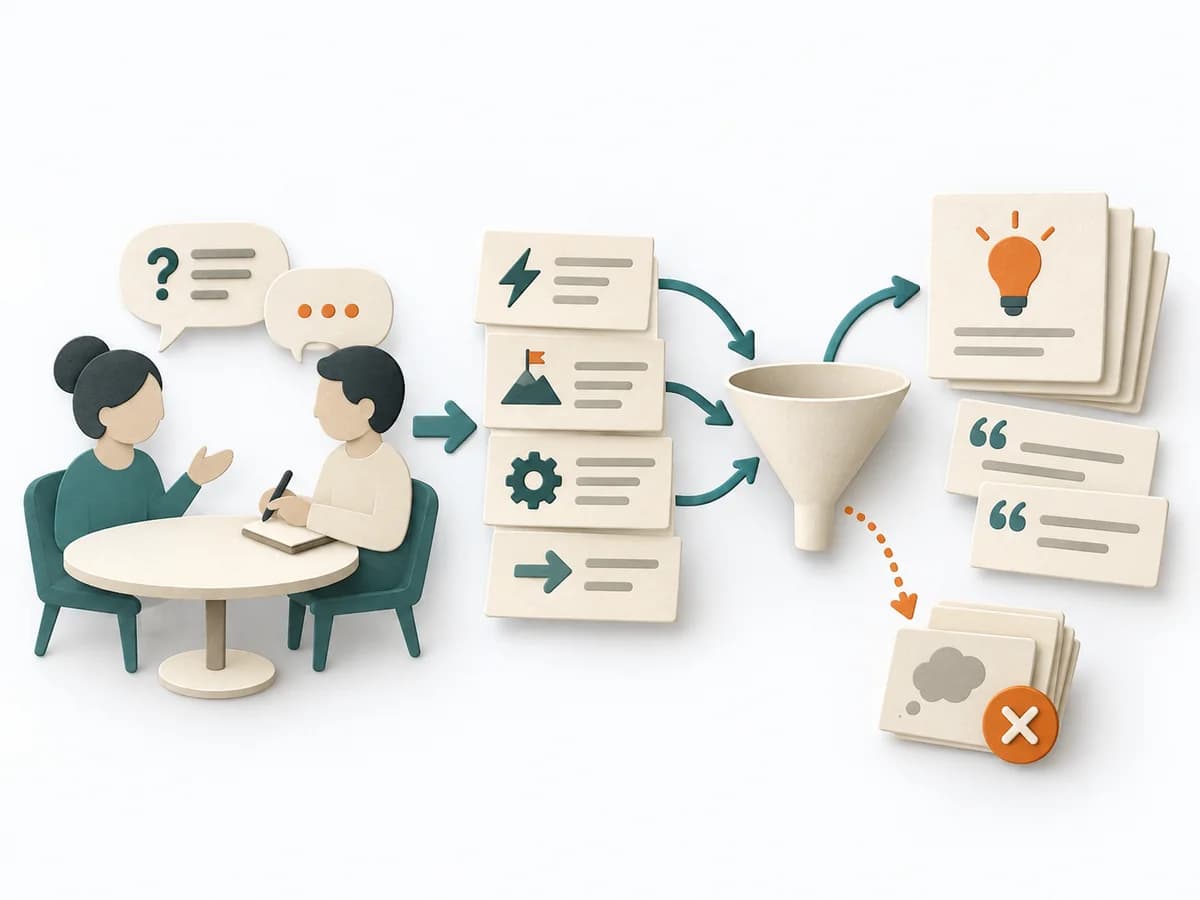 Product Discovery Opportunity Interview | 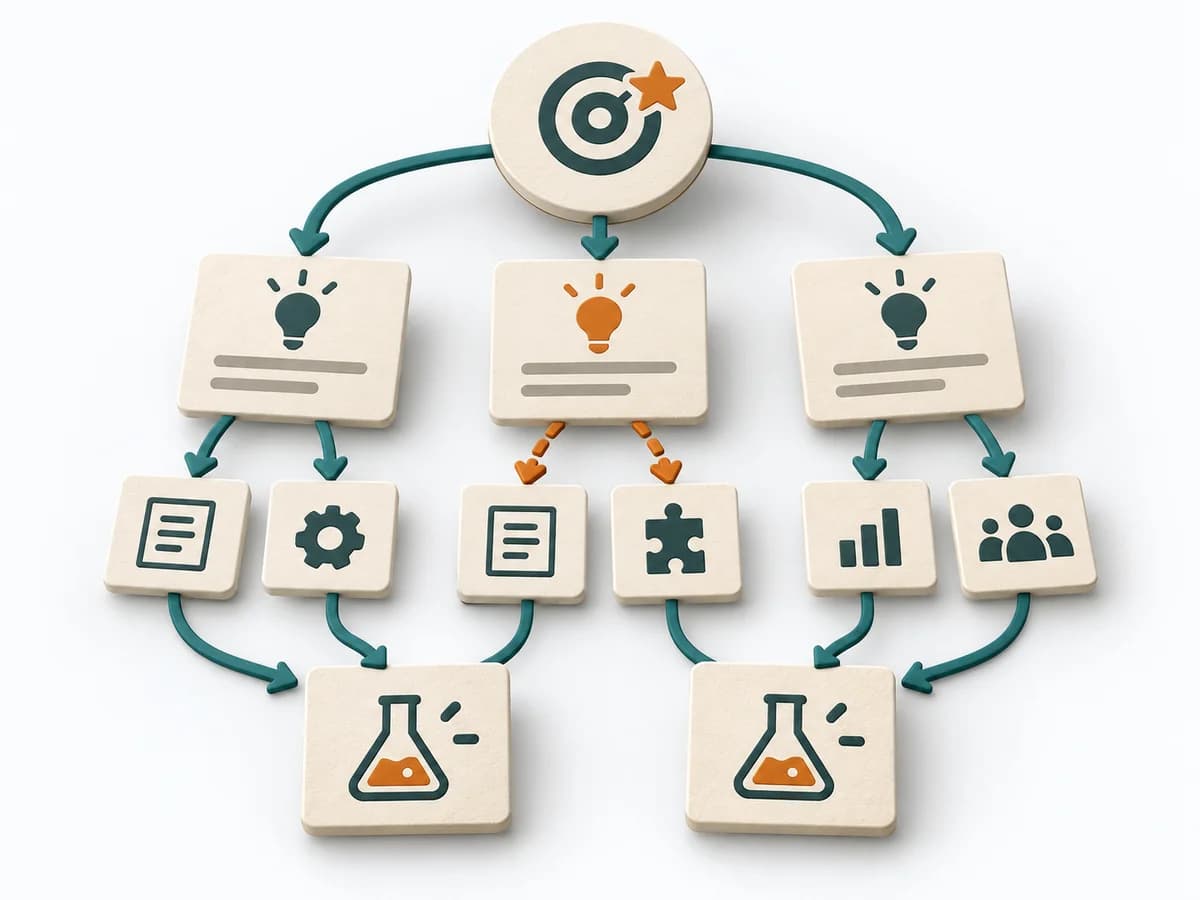 Product Discovery Opportunity Solution Tree |  Architecture ATAM (Architecture Tradeoff Analysis Method) |
|---|---|---|---|---|
Purposedifferent | LASR helps development teams identify where their software falls short of important quality goals and which improvements to consider. A small group with existing system knowledge can make an initial assessment and investigate open questions in more detail. | When opportunities are still hidden behind signals of need, it structures conversations around needs and obstacles. It looks for patterns that lead to new product opportunities. | When discovery keeps swinging between goals, ideas, and learning loops, it creates clear steering logic. It connects the desired outcome, opportunities, and experiments into a legible structure. | ATAM helps teams weigh architecture decisions when quality goals compete. The team considers business goals, stakeholder expectations, and technical decisions together. The evaluation shows which risks need further investigation. |
Complexitydifferent | Medium | Medium | Medium | High |
Timedifferent | 3–4 h for initial assessment; preparation and deeper analysis additional | 30-60 min je Interview | 1-2 h Setup, laufend | Several meetings plus preparation and analysis; total effort depends on scope |
Participantsdifferent | 1 or a small team; particularly suitable for 3–4 people | 5-12 Interviews | 2-6 | Evaluation team, architects, and relevant stakeholders |
Formatsame | Workshop + async | Workshop + async | Workshop + async | Workshop + async |
Outputdifferent | Lean Mission Statement describing the software’s purpose, Prioritized quality goals and evaluation criteria, Risks and estimated gaps against quality goals, More closely examined findings and open checks | Interview Notes, Opportunity Themes, Customer Quotes | Opportunity Solution Tree, Experiment Backlog, Learning Log | Prioritized quality scenarios in a utility tree, Architecture risks with reasoning and assumptions, Sensitivity and trade-off points, Findings report with open investigations |
Tagsno overlap | ArchitectureQualityRiskAssessmentLean | DiscoveryInterviewsOpportunityCustomer | DiscoveryOutcomesExperimentsOpportunity | ArchitectureQualityRiskTradeoffsStakeholders |