View methods side by side.
Choose up to four methods. Add them using the search and share the comparison by copying its link.
| Criterion | 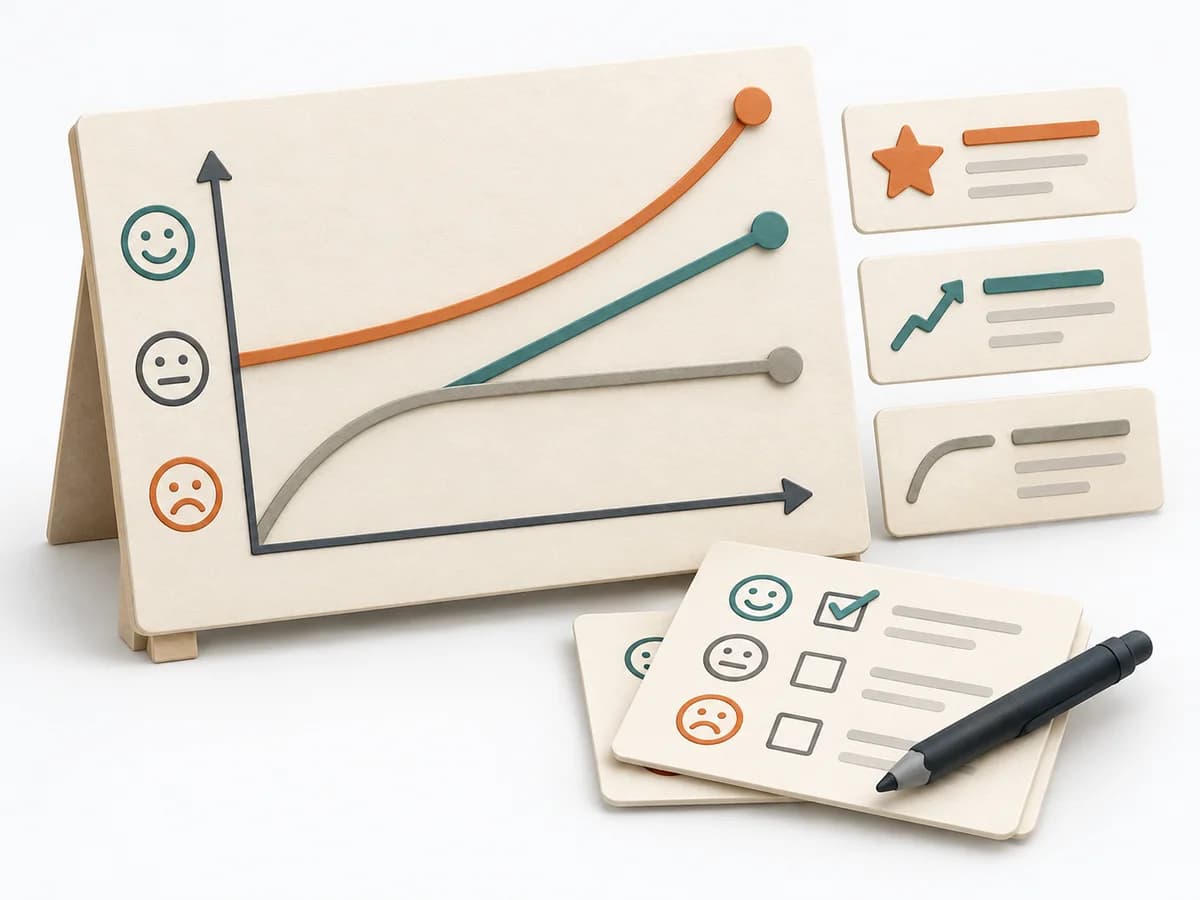 Product Discovery Kano Model | 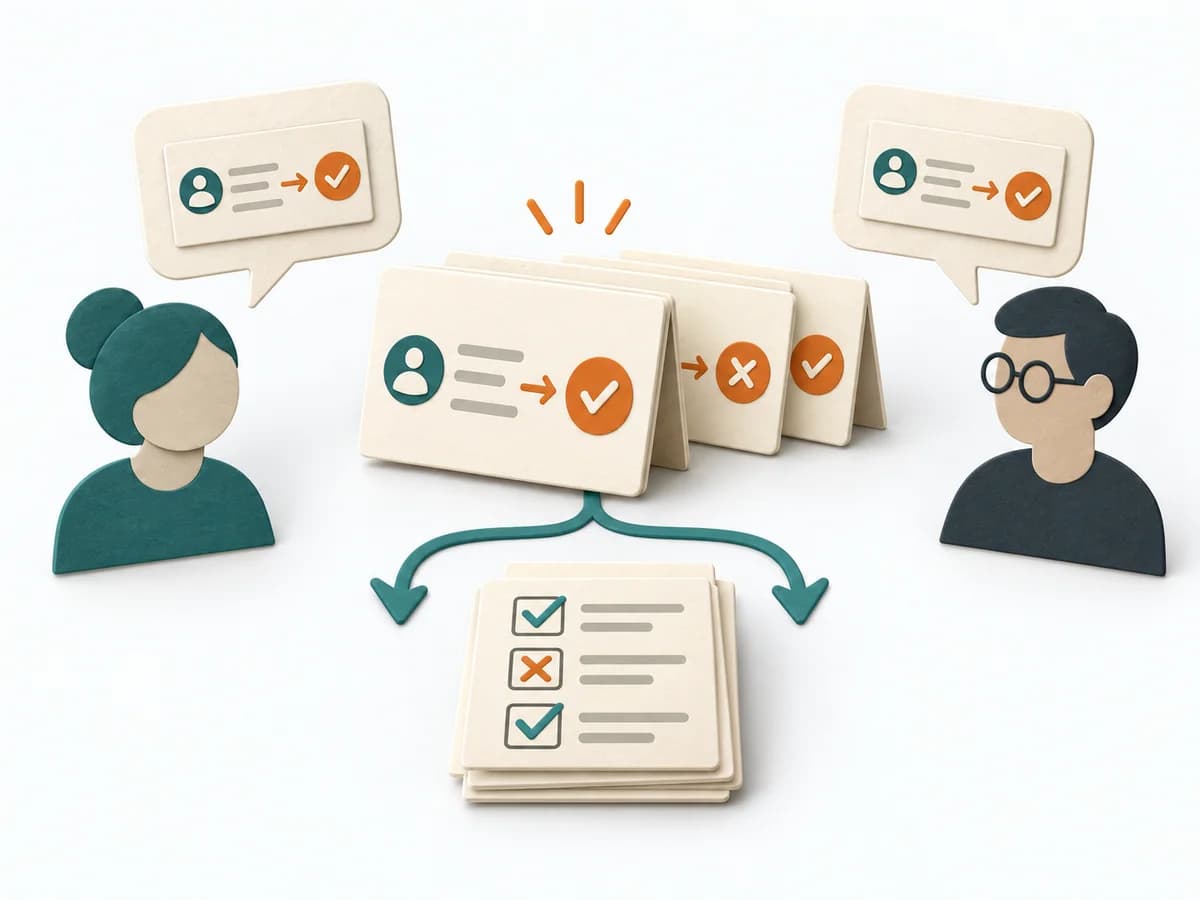 Agile Specification by Example |  Agile Three Amigos | 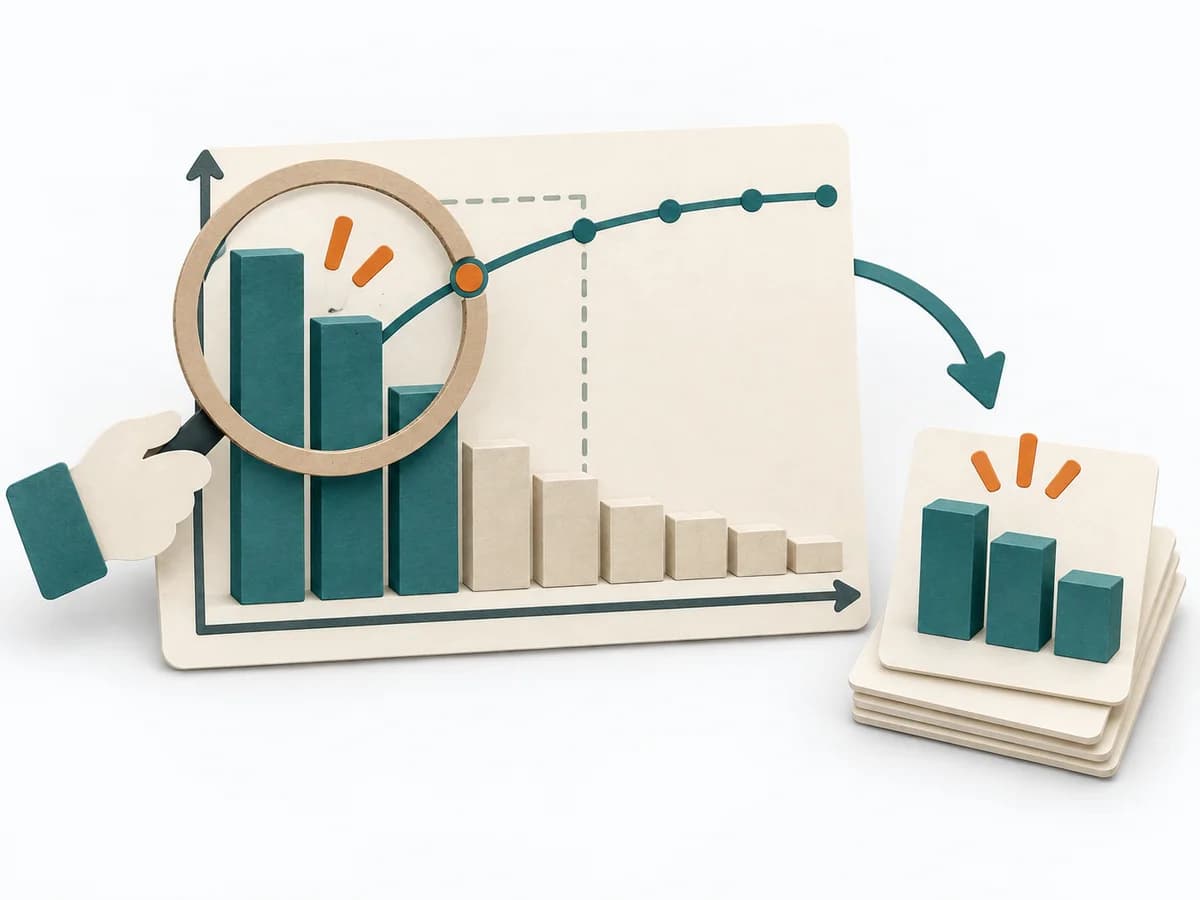 Decision Making Pareto Analysis |
|---|---|---|---|---|
Purposedifferent | When features need to be distinguished by their effect on satisfaction, it makes expectations and surprises comparable. It separates basic needs, performance contribution, and delight. | When business rules need to become precise, it ties language, example, and test together. It sorts work by value, risk, and delivery ability. The result is captured as an Example Table and Acceptance Tests. | When story, test, and implementation could drift apart, it brings business perspective, engineering, and quality together early. It prevents a story from being read differently only late in the process. | In many problem situations, effect is distributed unequally across many causes. A Pareto Analysis separates the few drivers with high leverage from the long remainder and focuses attention on what measurably moves the needle. |
Complexitydifferent | Medium | Medium | Low | Low |
Timedifferent | 1-2 Tage | 60-90 min pro Feature | 15-30 min | 30-60 min |
Participantsdifferent | 10-50 | 3-6 | 3 | 1-6 |
Formatdifferent | Workshop + async | Workshop | Workshop + async | Workshop + async |
Outputdifferent | Kano Matrix, Feature Classes, Priority Themes | Example Table, Acceptance Tests | Clarified Story, Test Examples, Open Questions | Pareto Chart, Top Causes, Focus List |
Tagsno overlap | SatisfactionPrioritizationCustomer | AgileRequirementsExamplesBehavior-Driven Development | CollaborationBehavior-Driven DevelopmentQualityRefinement | PrioritizationQualityFocusRoot cause |