View methods side by side.
Choose up to four methods. Add them using the search and share the comparison by copying its link.
| Criterion | 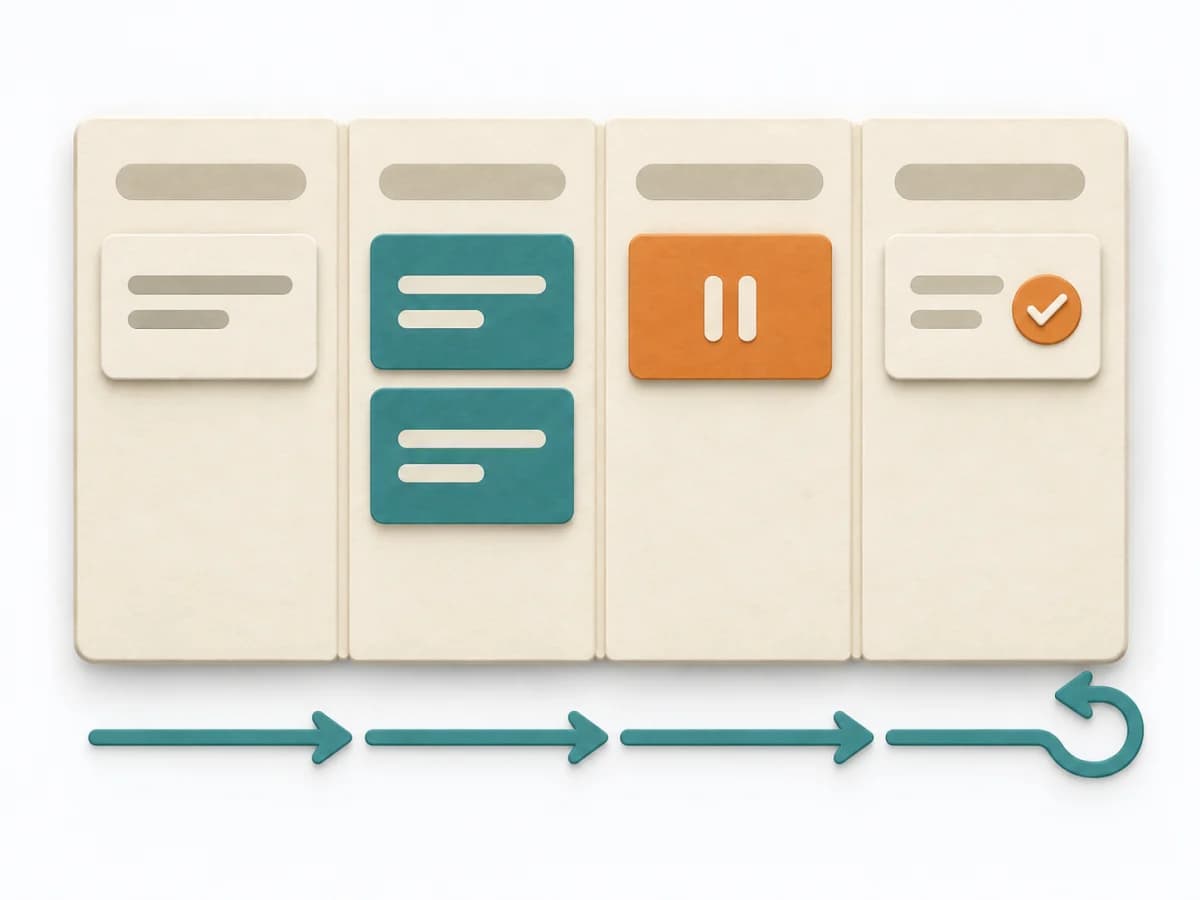 Engineering Kanban | 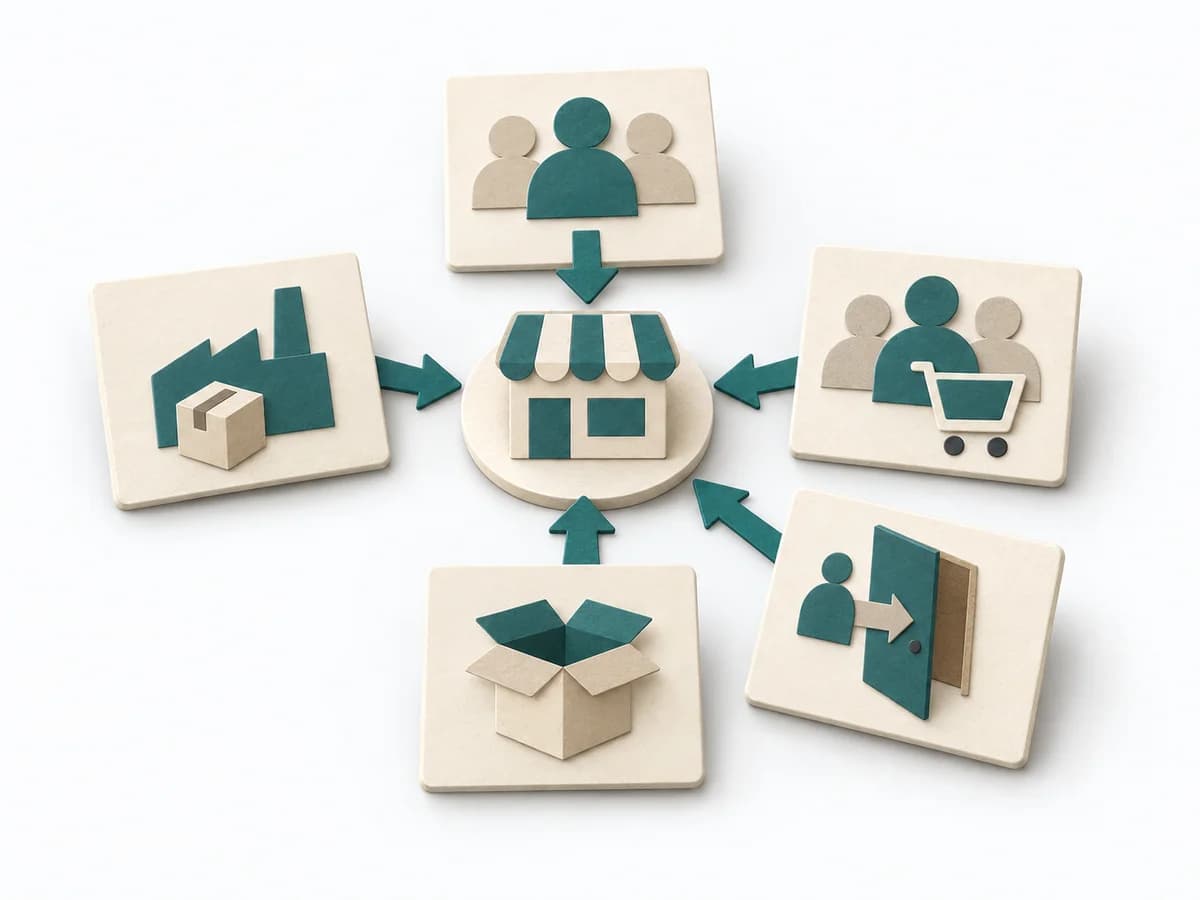 Business Strategy Porter Five Forces |  Business Strategy GAP Analysis |  Business Strategy SWOT Analysis |
|---|---|---|---|---|
Purposedifferent | When work sits in too many parallel streams, throughput suffers and no one sees the bottlenecks. Kanban makes the flow of work visible and limits overload so a system becomes calmer and more predictable. | Porter Five Forces analyzes the forces that shape competitive pressure and profitability in a market. The view of market structure goes beyond individual competitors and reveals systemic pressure points. | GAP Analysis compares the current state with a target picture and makes the distance manageable. It becomes useful when, ahead of new initiatives, it must become clear which capabilities, processes, or resources are missing. | SWOT Analysis arranges strengths, weaknesses, opportunities, and threats into a compact picture of the situation. It keeps internal capabilities and external influences separate before strategic options emerge from them. |
Complexitydifferent | Medium | Medium | Medium | Low |
Timedifferent | Ongoing | 1-3 h | 1-3 h | 30-60 min |
Participantsdifferent | 2-12 | 2-8 | 2-8 | 3-12 |
Formatdifferent | Workshop + async | Workshop + async | Workshop + async | Workshop |
Outputdifferent | Kanban board, WIP policies, Flow metrics | Five Forces Analysis, Competitive Risks, Strategic Options | Gap Matrix, Action Plan, Risk Notes | SWOT matrix, Strategic options, Action list |
Tagsno overlap | FlowVisual managementDelivery | StrategyCompetitionMarket | StrategyAnalysisPlanning | StrategyAnalysisMarketPositioning |