View methods side by side.
Choose up to four methods. Add them using the search and share the comparison by copying its link.
| Criterion | 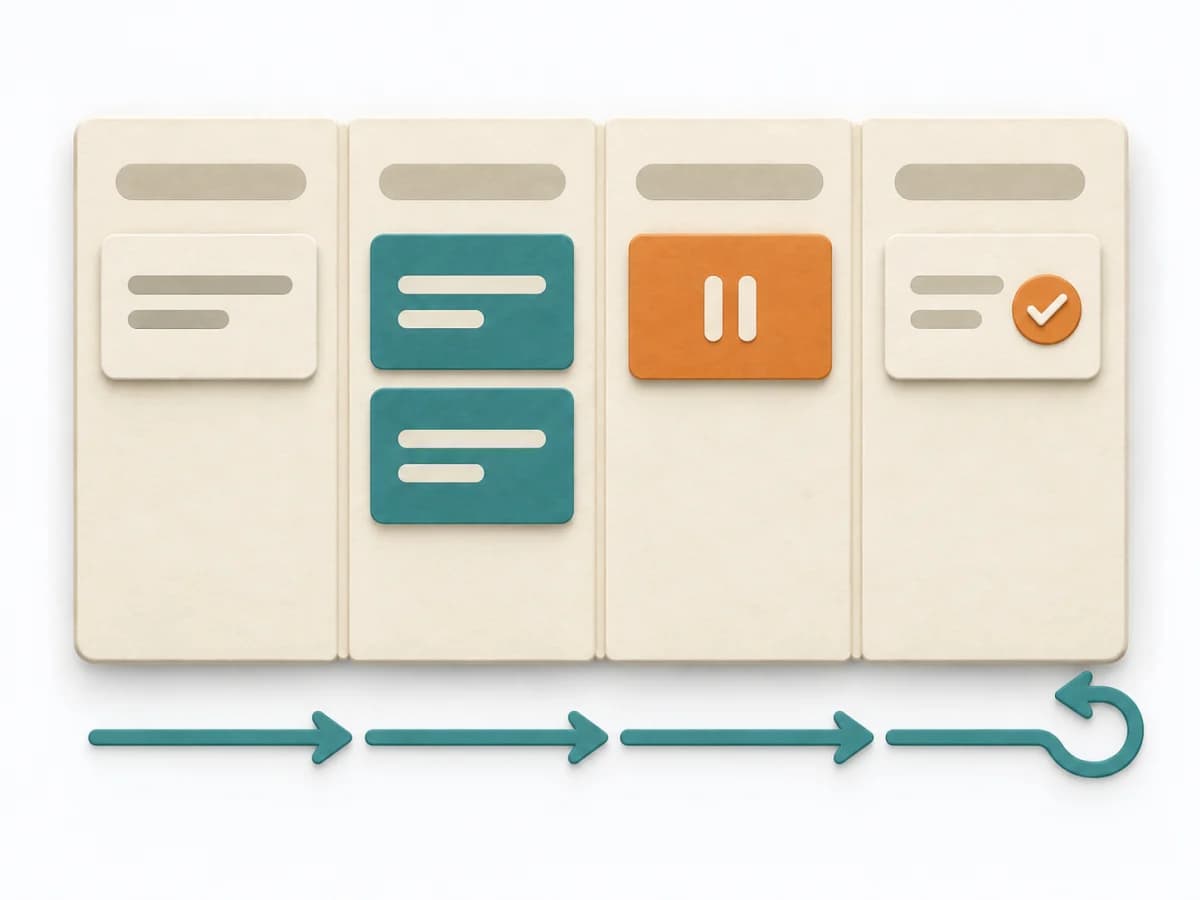 Engineering Kanban | 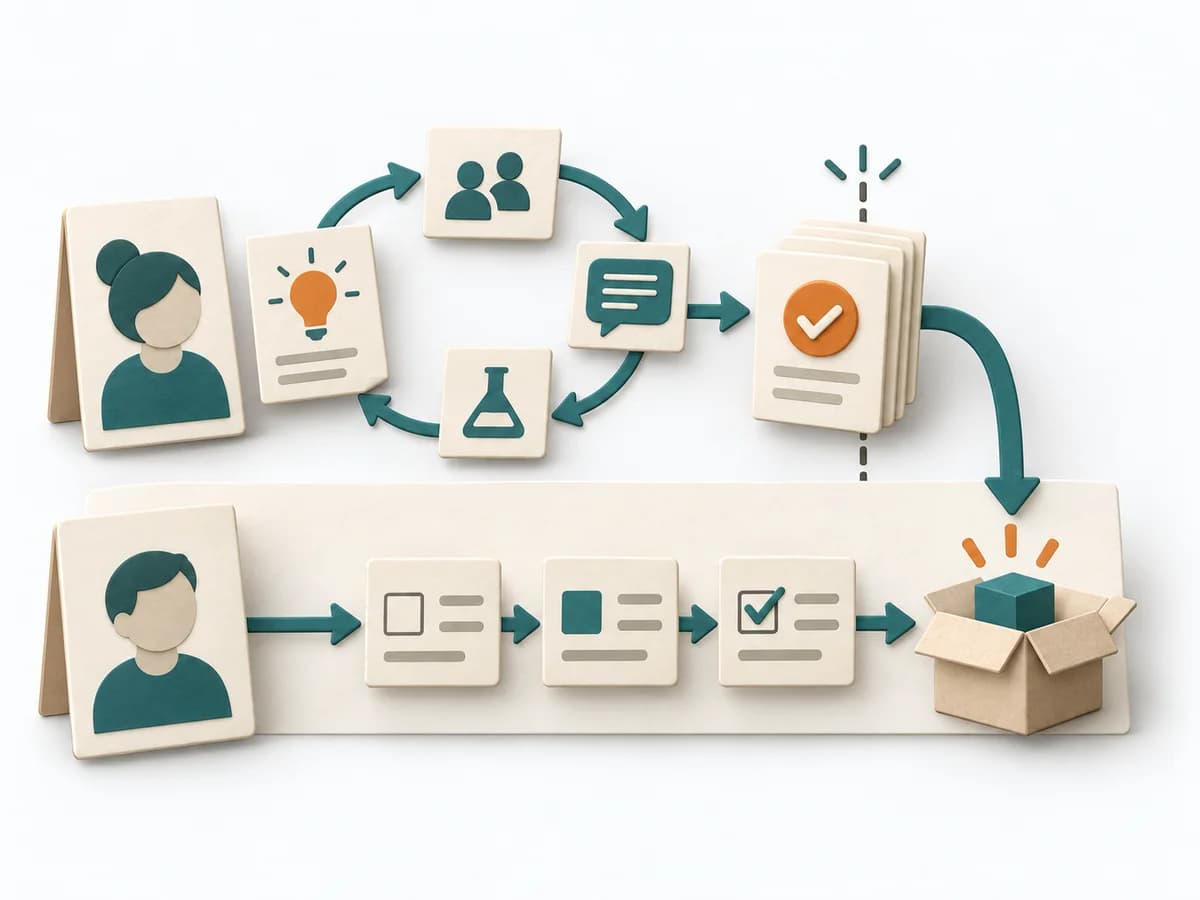 Product Discovery Dual-Track Agile | 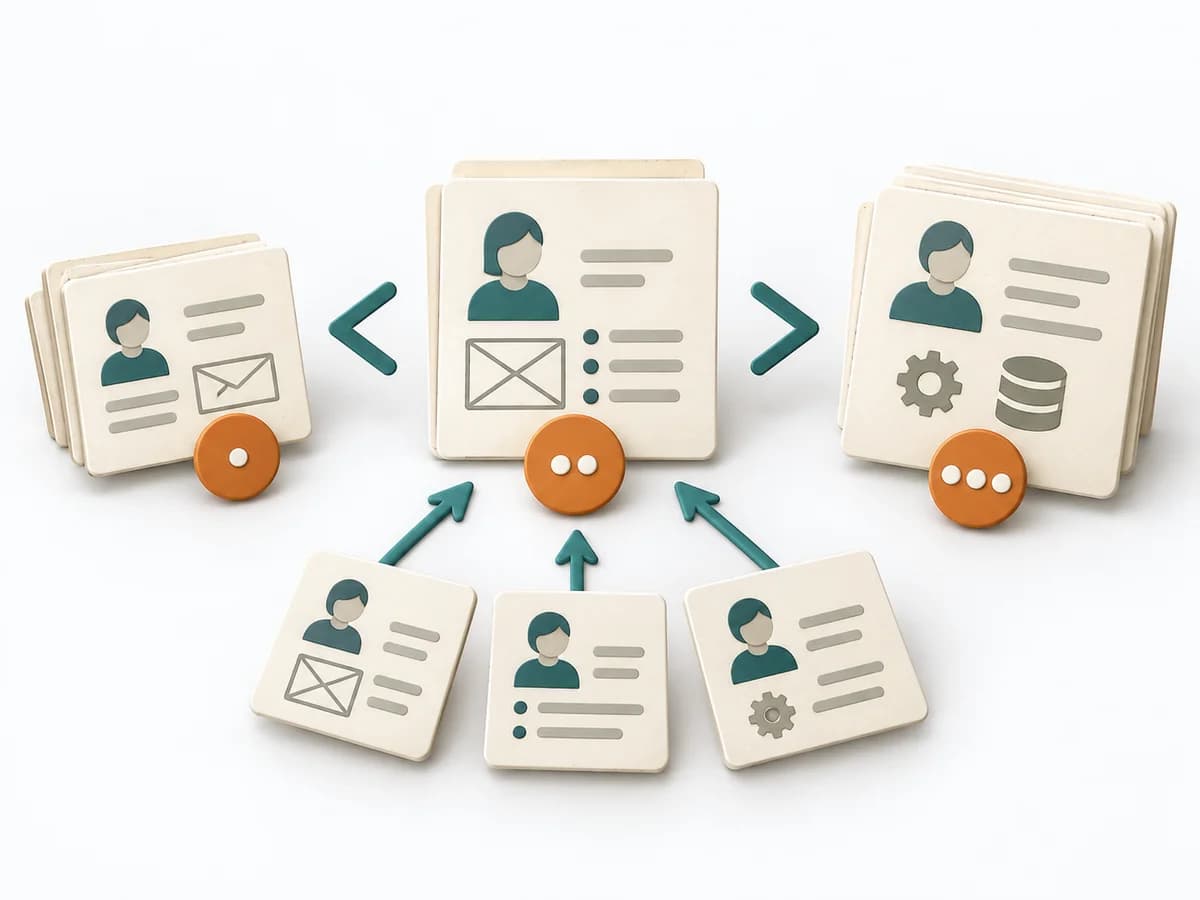 Agile Story Points | 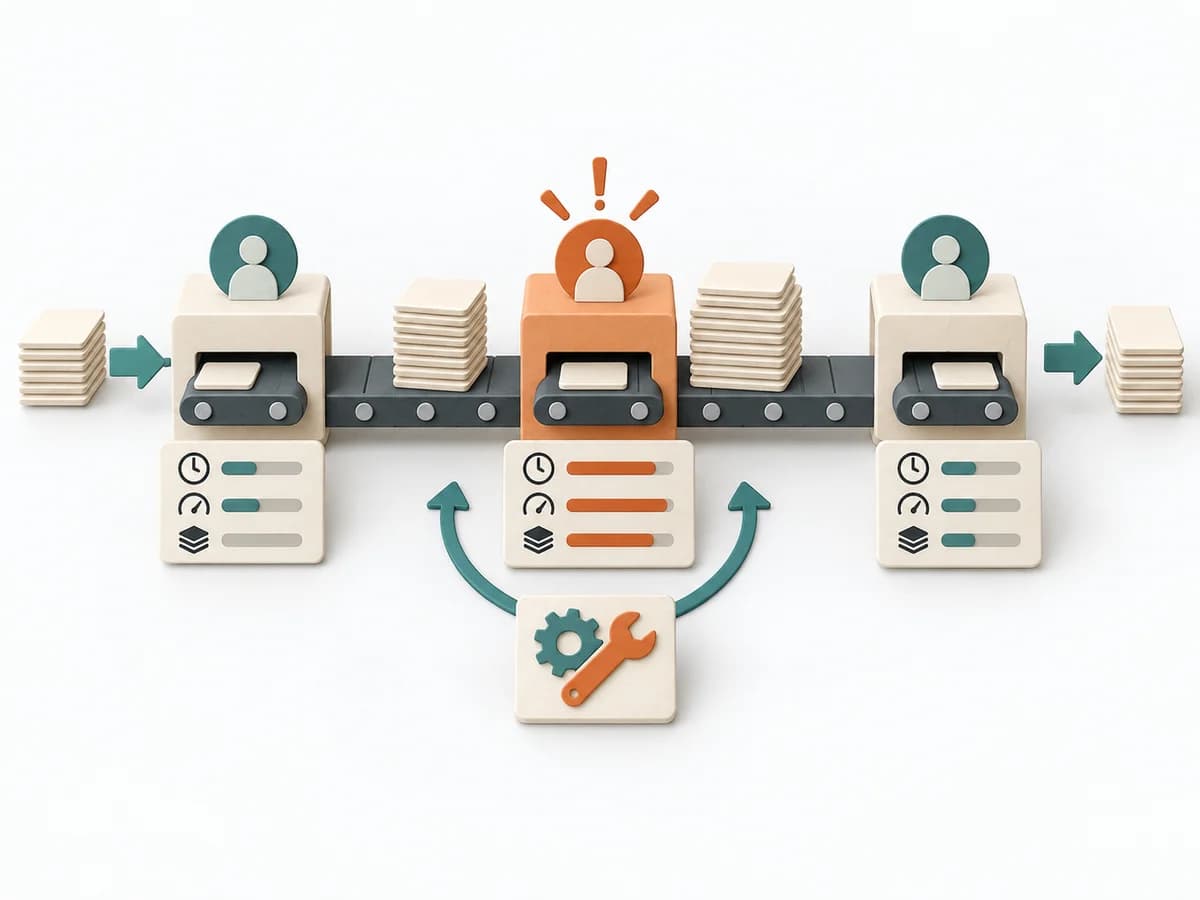 Operations Bottleneck Analysis |
|---|---|---|---|---|
Purposedifferent | When work sits in too many parallel streams, throughput suffers and no one sees the bottlenecks. Kanban makes the flow of work visible and limits overload so a system becomes calmer and more predictable. | When uncertainty and delivery run in parallel, it separates learning work from implementation while keeping both connected. It prevents unvalidated ideas from falling directly into the delivery stream. | When teams want to rate complexity rather than hours, it creates a shared, relative scale. It sorts work by value, risk, and delivery ability. The result is captured as Point Estimates, Reference Stories, and Velocity Data. | For a flow that backs up at one point, the method looks for the capacity limit with the greatest leverage. It explains why extra effort elsewhere barely improves throughput. |
Complexitysame | Medium | Medium | Medium | Medium |
Timedifferent | Ongoing | Laufend, Wochen bis Monate | laufend, 1-5 min je Item | 1-3 h |
Participantsdifferent | 2-12 | 4-10 | 3-9 | 3-8 |
Formatsame | Workshop + async | Workshop + async | Workshop + async | Workshop + async |
Outputdifferent | Kanban board, WIP policies, Flow metrics | Discovery Backlog, Delivery Backlog, Experiment-Ergebnisse, Validierte Stories | Point Estimates, Reference Stories, Velocity Data | Bottleneck Map, Flow Metrics, Improvement Options, Follow-up Measures |
Tagsno overlap | FlowVisual managementDelivery | AgileDiscoveryDelivery | EstimationAgileMeasurement | FlowMeasurementConstraints |