View methods side by side.
Choose up to four methods. Add them using the search and share the comparison by copying its link.
| Criterion | 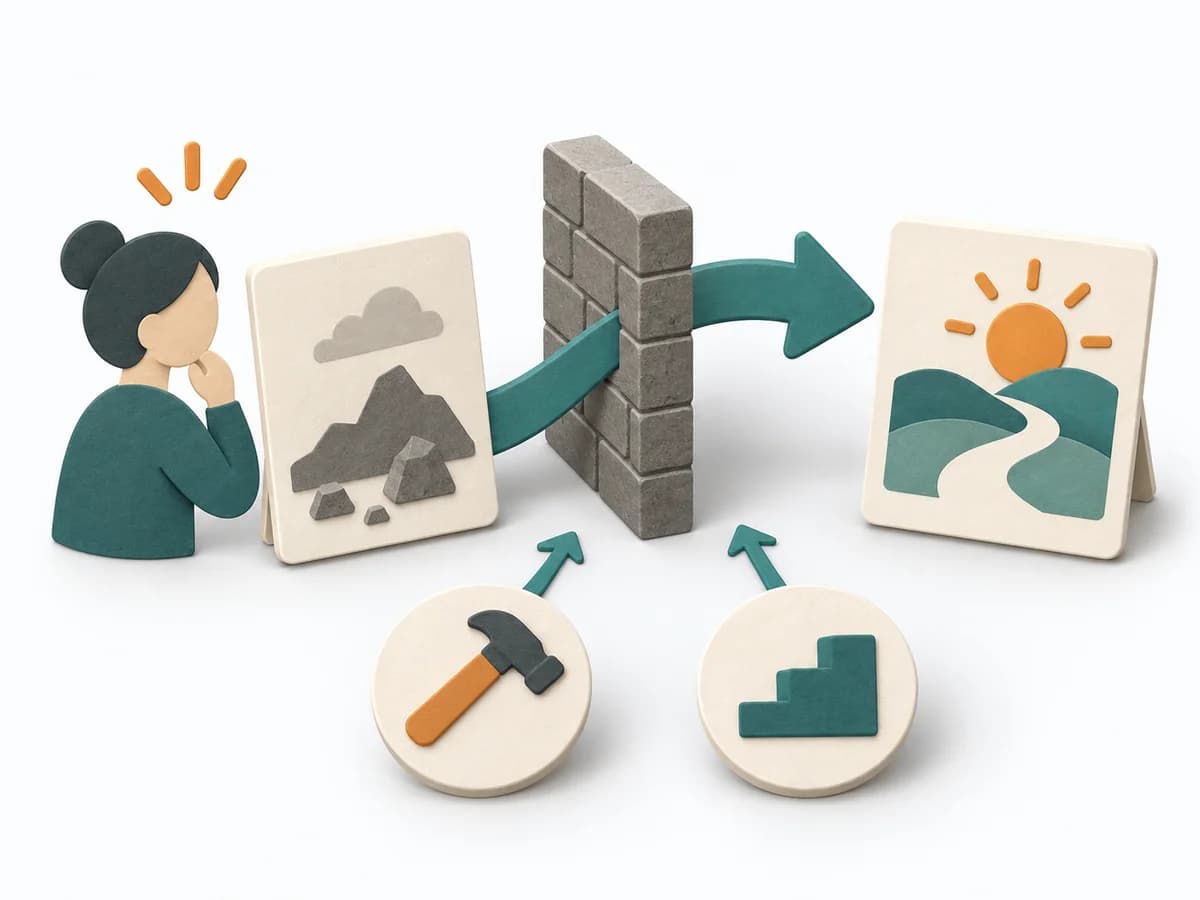 Product Discovery Jobs to Be Done | 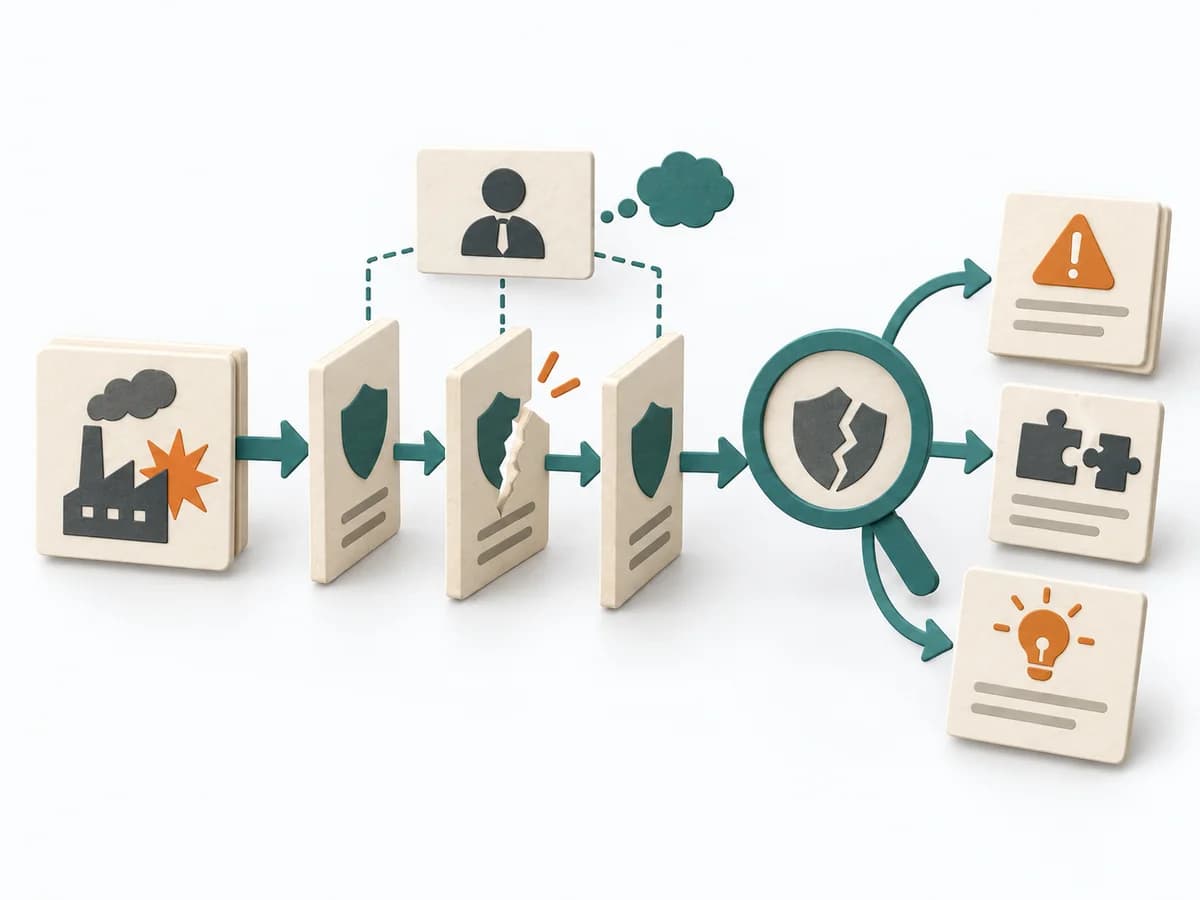 Operations MORT Analysis |  UX Research Affinity Diagramming |  Operations Causal Factor Analysis |
|---|---|---|---|---|
Purposedifferent | When switching motives and progress are unclear, it reconstructs the situation from real customer circumstances. It shows why a switch happens and what kind of progress is being sought. | For a safety-relevant event or a system with high protection requirements, the method examines where controls failed. It exposes both technical and organizational gaps. | When research notes, feedback, or observations sit unconnected side by side, affinity diagramming sorts the raw material into solid themes. Many individual points turn into patterns that make decisions and opportunities clearer. | For an event with a complicated course, the method breaks down the contributing factors along the timeline. It shows how conditions, decisions, and reactions together produce a course of events. |
Complexitydifferent | Medium | High | Low | High |
Timedifferent | 1-3 Wochen | Mehrere Tage bis Wochen | 45–90 min | 2-6 h |
Participantsdifferent | 5-12 Interviews | 2-6 | 3-10 | 3-10 |
Formatdifferent | Workshop + async | Workshop + async | Workshop | Workshop + async |
Outputdifferent | Job Stories, Outcome Statements, Opportunity List | MORT Worksheets, Findings per Branch, Corrective Actions, Systemic Recommendations | Theme clusters, Insight statements, Opportunity areas | Event Timeline, Causal Factor Chart, Cause List, Corrective Actions |
Tagsno overlap | CustomerOutcomesNeeds | Root causeSafetySystemicIncident | SynthesisQualitativeRoot cause | CausalityIncidentRoot causeTimeline |