View methods side by side.
Choose up to four methods. Add them using the search and share the comparison by copying its link.
| Criterion |  Product Discovery Jobs to Be Done |  Product Discovery Kano Model |  UX Research Card Sorting | 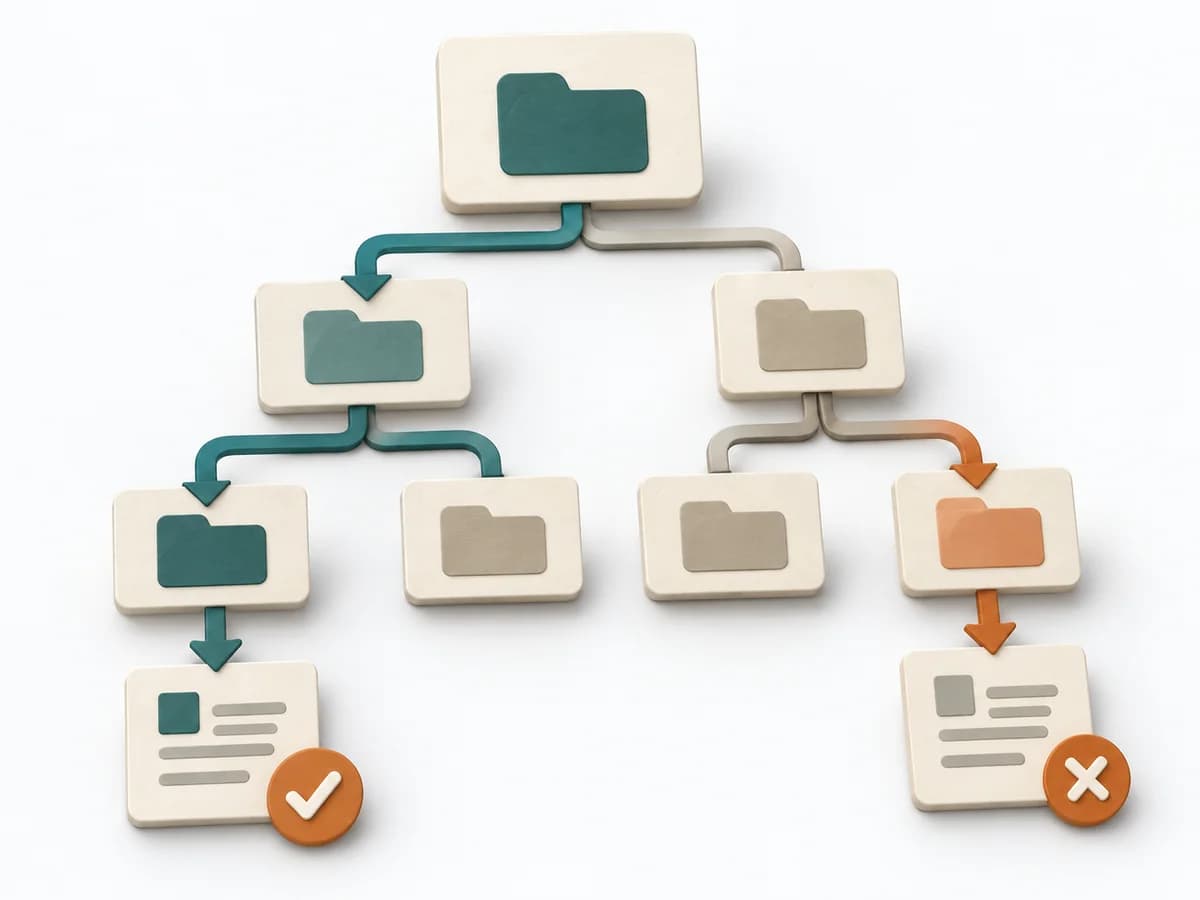 UX Research Tree Testing |
|---|---|---|---|---|
Purposedifferent | When switching motives and progress are unclear, it reconstructs the situation from real customer circumstances. It shows why a switch happens and what kind of progress is being sought. | When features need to be distinguished by their effect on satisfaction, it makes expectations and surprises comparable. It separates basic needs, performance contribution, and delight. | When content only makes sense internally and users can't find the structure again, card sorting exposes their mental order. Terms, groups, and naming are then aligned with the target group's expectations. | When a navigation exists but search paths still fail, tree testing checks findability without visual distraction. The method shows whether labels, levels, and paths really lead to the intended destination. |
Complexitydifferent | Medium | Medium | Low | Medium |
Timedifferent | 1-3 Wochen | 1-2 Tage | 20-45 min | 1-2 Tage |
Participantsdifferent | 5-12 Interviews | 10-50 | Based on research question | Based on research question |
Formatdifferent | Workshop + async | Workshop + async | Workshop + async | Async |
Outputdifferent | Job Stories, Outcome Statements, Opportunity List | Kano Matrix, Feature Classes, Priority Themes | Content groups, Label set, IA hypotheses | Findability Metrics, Path Analysis, Revised IA |
Tagsno overlap | CustomerOutcomesNeeds | SatisfactionPrioritizationCustomer | Information architectureNavigationStructure | Information architectureNavigationFindability |