View methods side by side.
Choose up to four methods. Add them using the search and share the comparison by copying its link.
| Criterion | 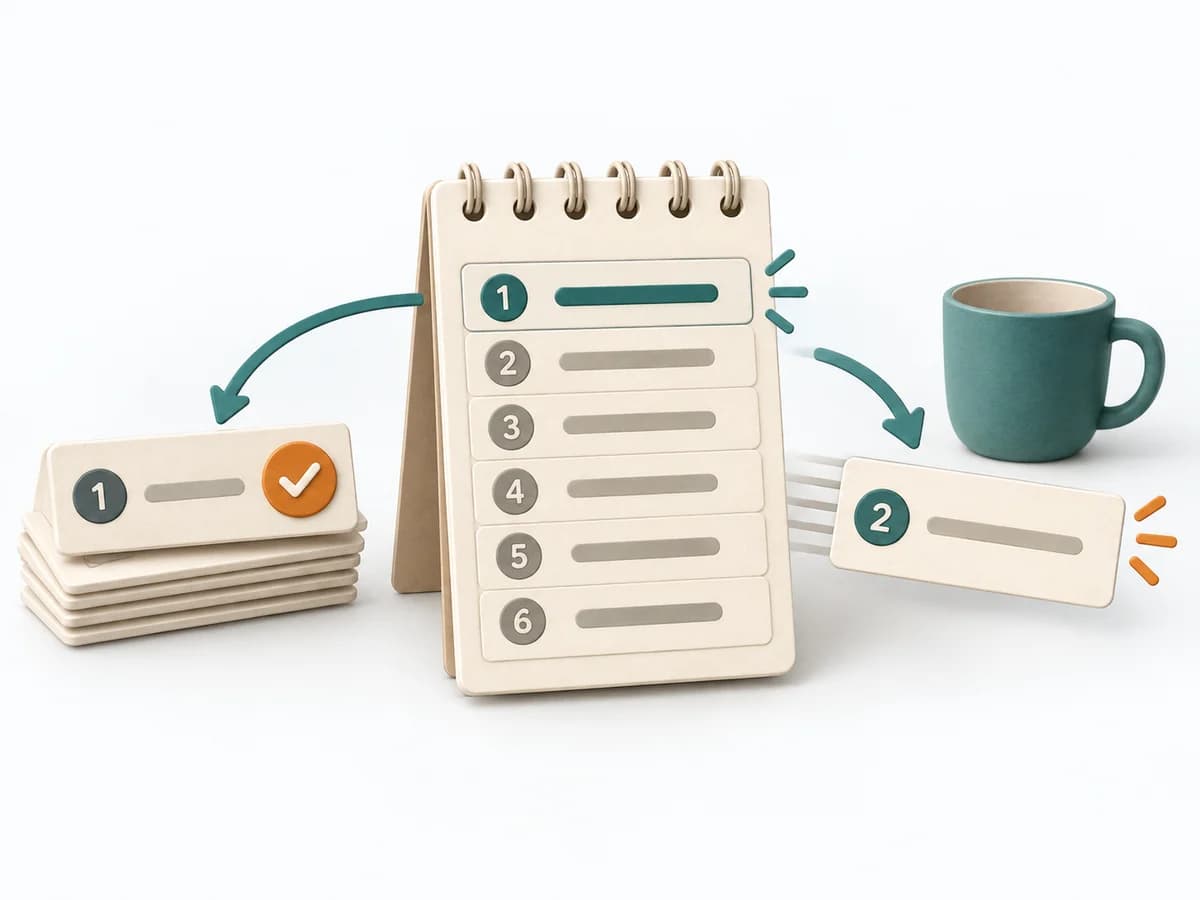 Operations Ivy Lee Method |  UX Research Personas | 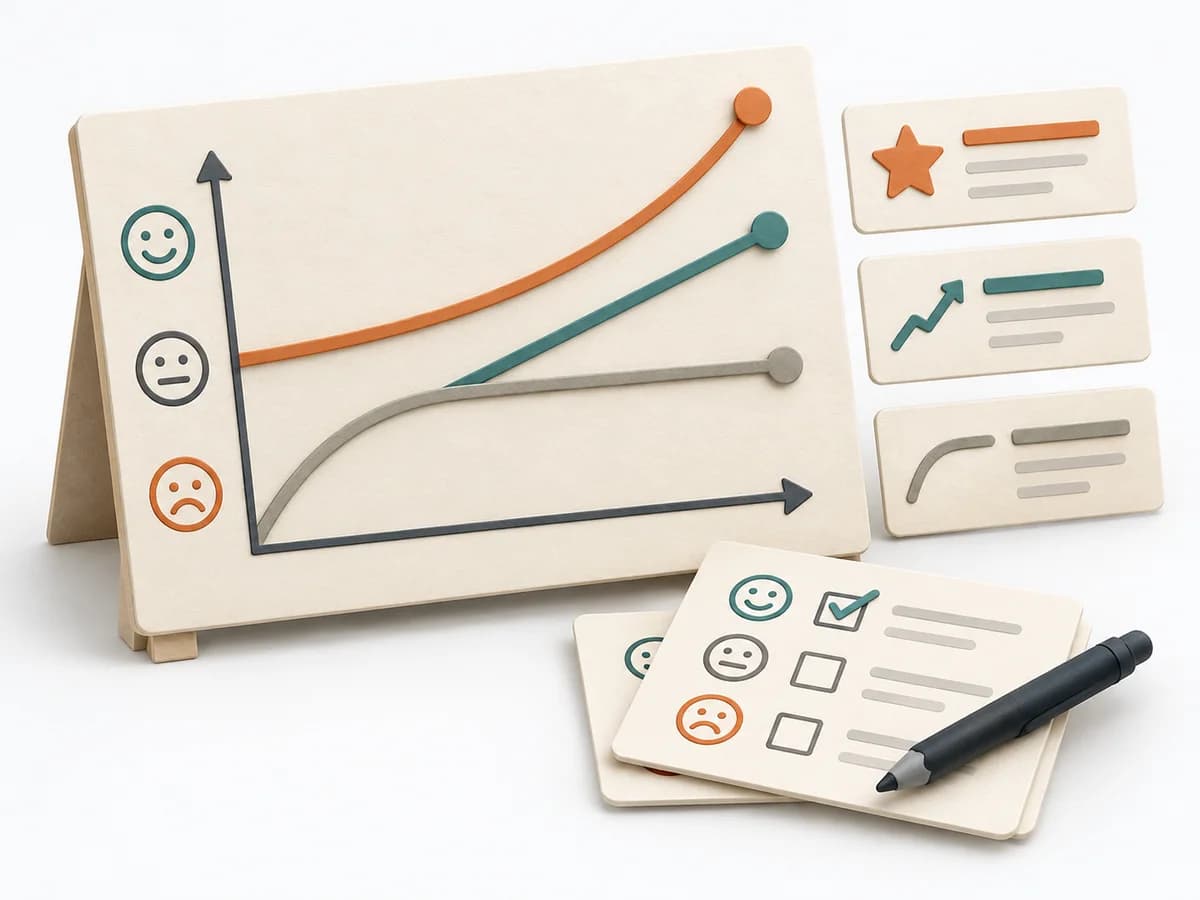 Product Discovery Kano Model | 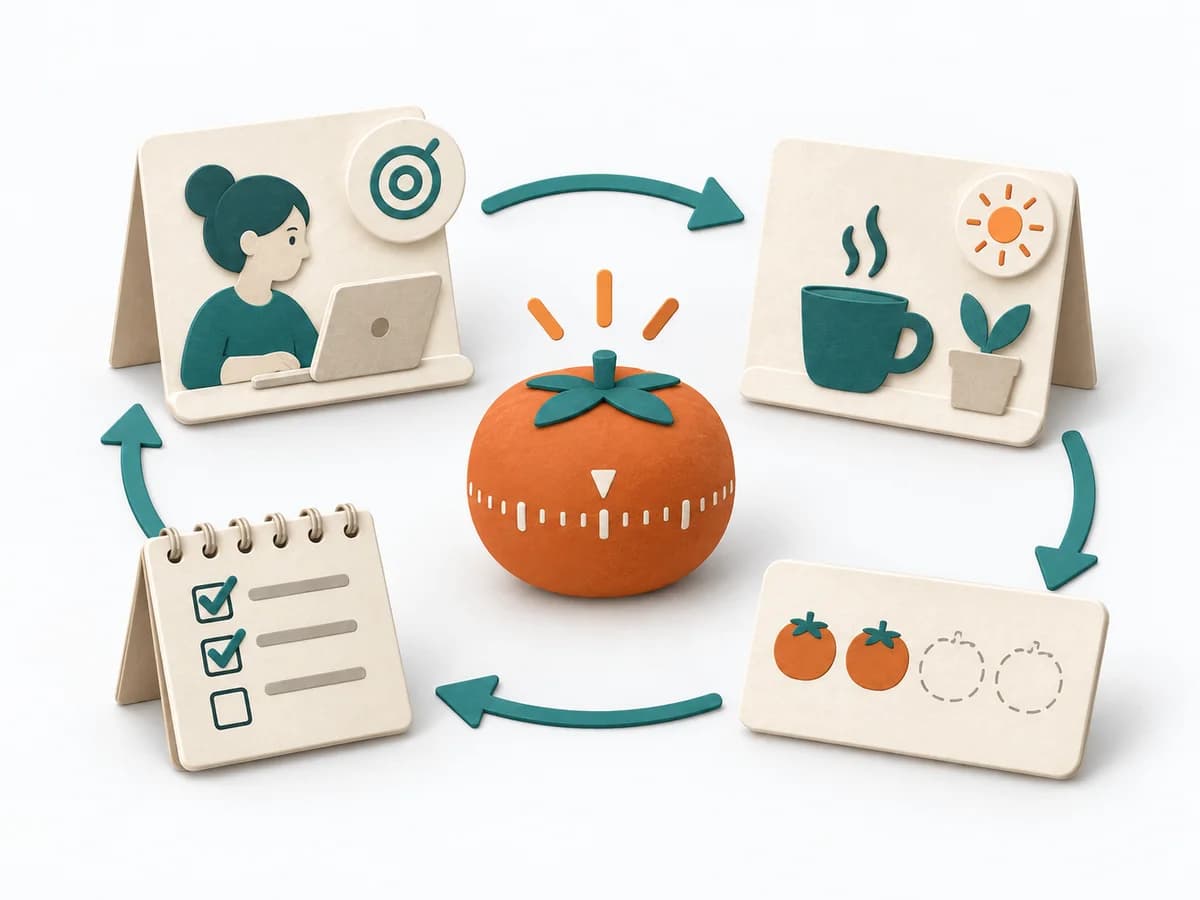 Operations Pomodoro Technique |
|---|---|---|---|---|
Purposedifferent | With a restless workday full of too many open items, the method creates radical simplicity. It directs attention to a short sequence instead of a broad, still-open field. | When target groups stay too vague and teams talk about the same people differently, personas create a shared, solid picture of usage. Condensed profiles make needs, contexts, and differences tangible enough for decisions. | When features need to be distinguished by their effect on satisfaction, it makes expectations and surprises comparable. It separates basic needs, performance contribution, and delight. | For easily distracted solo work, the method sets clear time boundaries for concentrated work. It protects attention when large tasks would otherwise fall apart into small avoidance moves. |
Complexitydifferent | Low | Medium | Medium | Low |
Timedifferent | 5-10 min daily | 1-3 Tage | 1-2 Tage | 25 min Zyklen |
Participantsdifferent | 1 | Internes Team | 10-50 | 1 |
Formatdifferent | Async | Workshop + async | Workshop + async | Async |
Outputdifferent | Daily Priority List, Completion Notes | Persona Profiles, Needs Summary, Scenario Notes | Kano Matrix, Feature Classes, Priority Themes | Focus Sessions, Task Progress, Interruption Notes |
Tagsno overlap | PrioritizationProductivityExecution | ResearchCustomerSynthesis | SatisfactionPrioritizationCustomer | FocusTime managementProductivityExecution |