View methods side by side.
Choose up to four methods. Add them using the search and share the comparison by copying its link.
| Criterion | 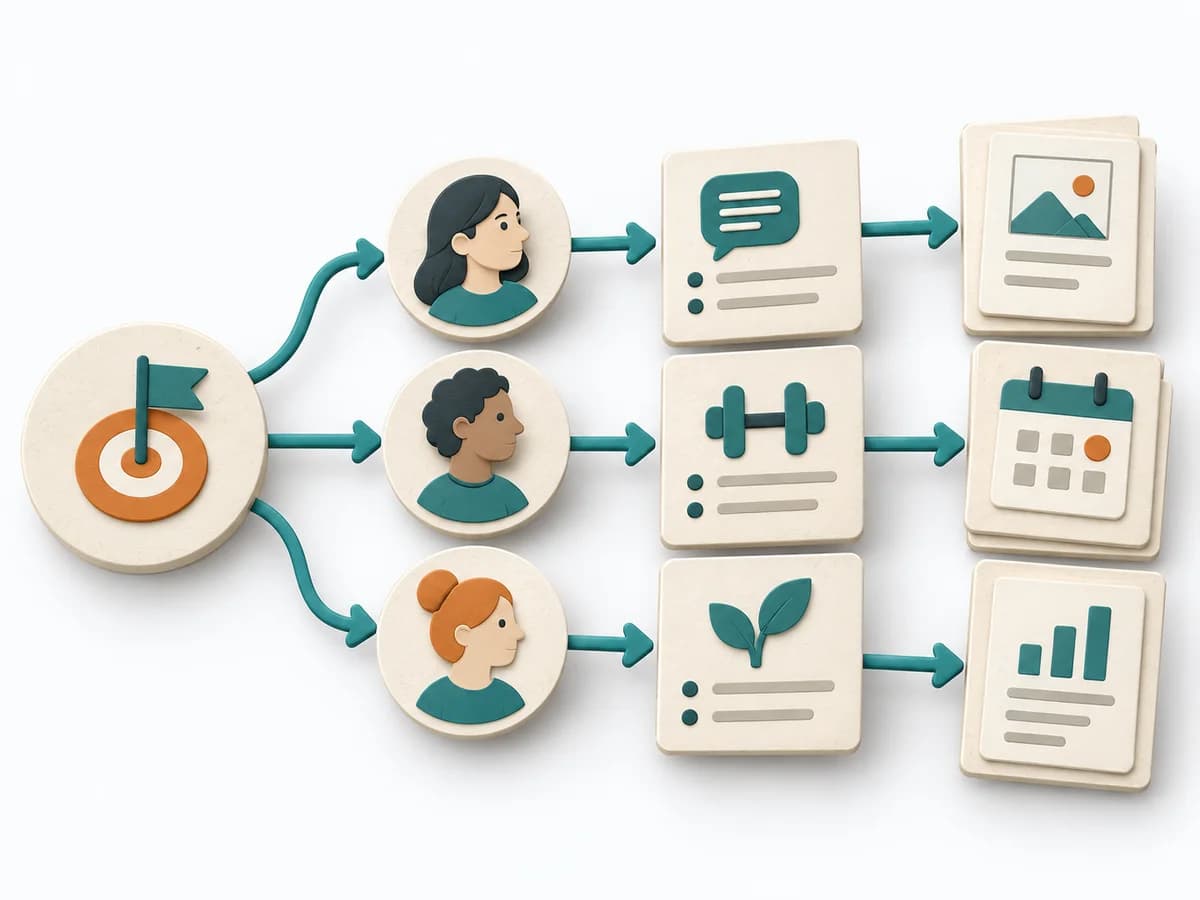 Product Strategy Impact Mapping | 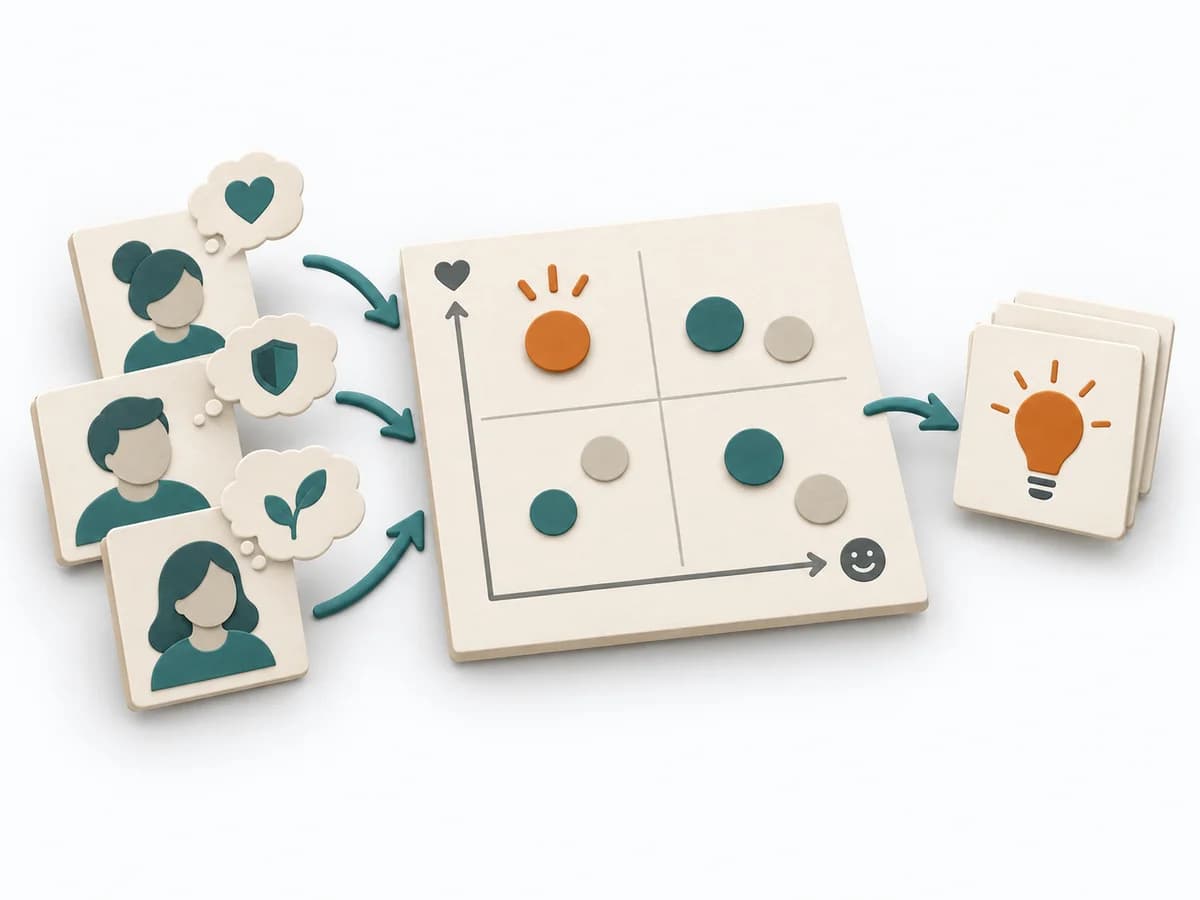 Product Discovery Outcome-Driven Innovation | 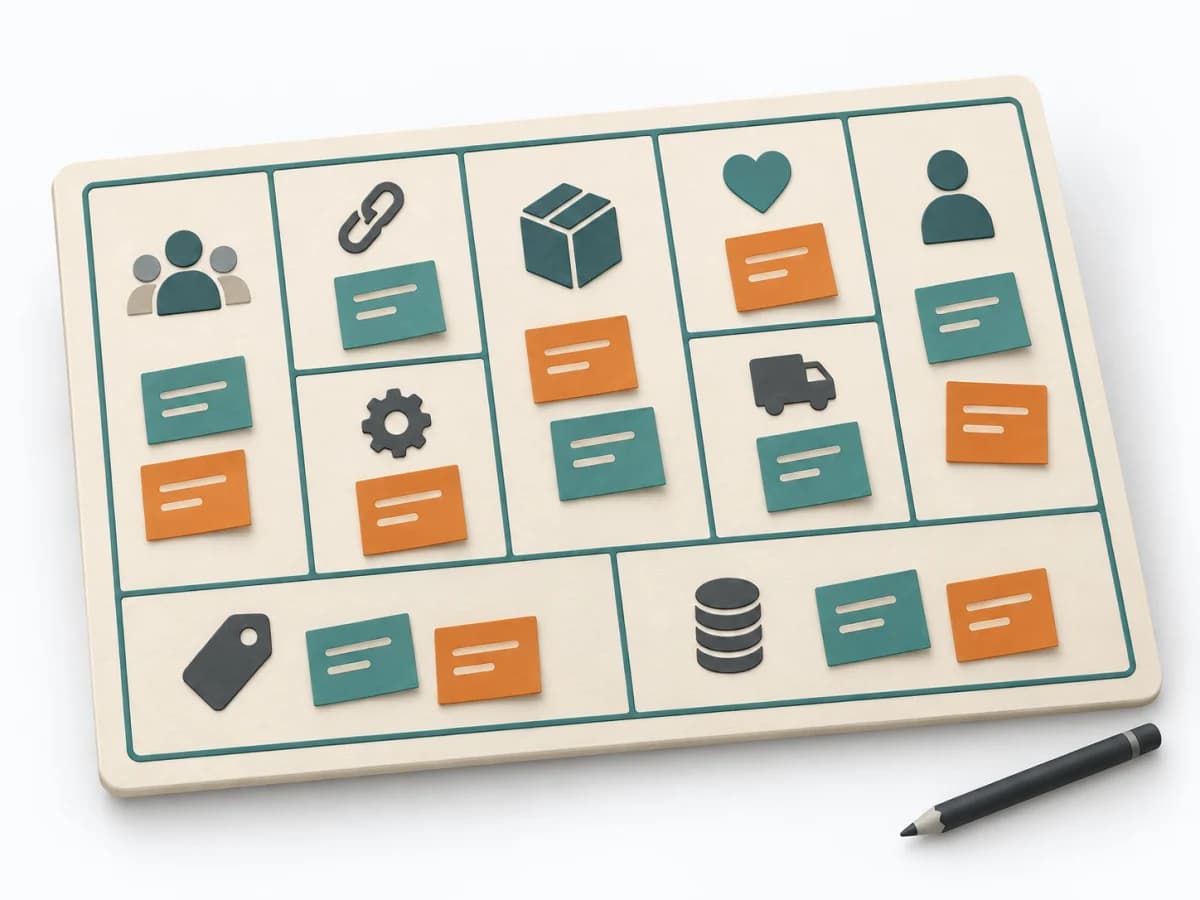 Business Strategy Business Model Canvas | 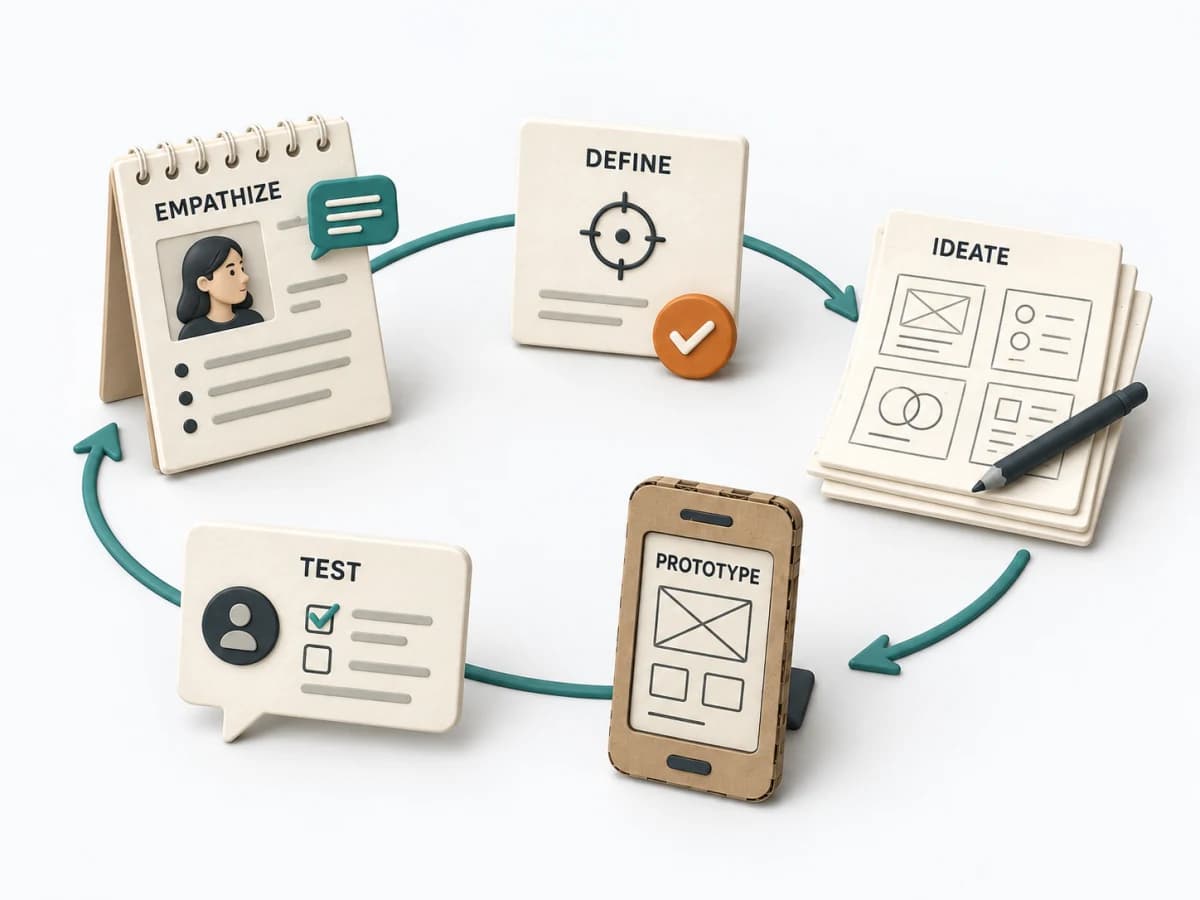 Innovation Design Thinking |
|---|---|---|---|---|
Purposedifferent | When a goal needs to be connected to several possible paths, it shows chains of impact instead of feature lists. It connects business goal, behavior change, and measures. | Outcome-Driven Innovation clarifies customer problems, solution opportunities, and evidence. It separates jobs, desired outcomes, importance, satisfaction, and opportunity, and captures results as desired outcome statements, an opportunity landscape, and segments by underserved needs. | The Business Model Canvas condenses a business model to its key building blocks and assumptions. It makes variants quickly comparable and reveals gaps before validation or implementation begins. | For complex user problems with an uncertain cause, the method connects observation, interpretation, and experiment into a learning cycle. It keeps the focus on real needs and avoids premature solution language. This produces robust decisions for product and service. |
Complexitydifferent | Medium | High | Medium | High |
Timedifferent | 45-90 min | Mehrere Wochen | 1-2 h | 1 Tag bis mehrere Wochen |
Participantsdifferent | 3-8 | 2-6 researchers plus sample | 2-8 | 4-10 |
Formatdifferent | Workshop | Workshop + async | Workshop + async | Workshop |
Outputdifferent | Impact Map, Outcome Hypotheses, Delivery Options | Desired outcome statements, Opportunity landscape, Segmentation by underserved needs, Innovation hypotheses | Business Model Canvas, Assumption List, Business Hypotheses | Problem Statement, Prototype, Test Learnings |
Tagsno overlap | OutcomesStrategyBehaviorPlanning | OutcomesInnovationResearchQuantitative | Business modelStrategyValueInnovation | InnovationPrototypeResearch |