View methods side by side.
Choose up to four methods. Add them using the search and share the comparison by copying its link.
| Criterion |  Systems Thinking Iceberg Model | 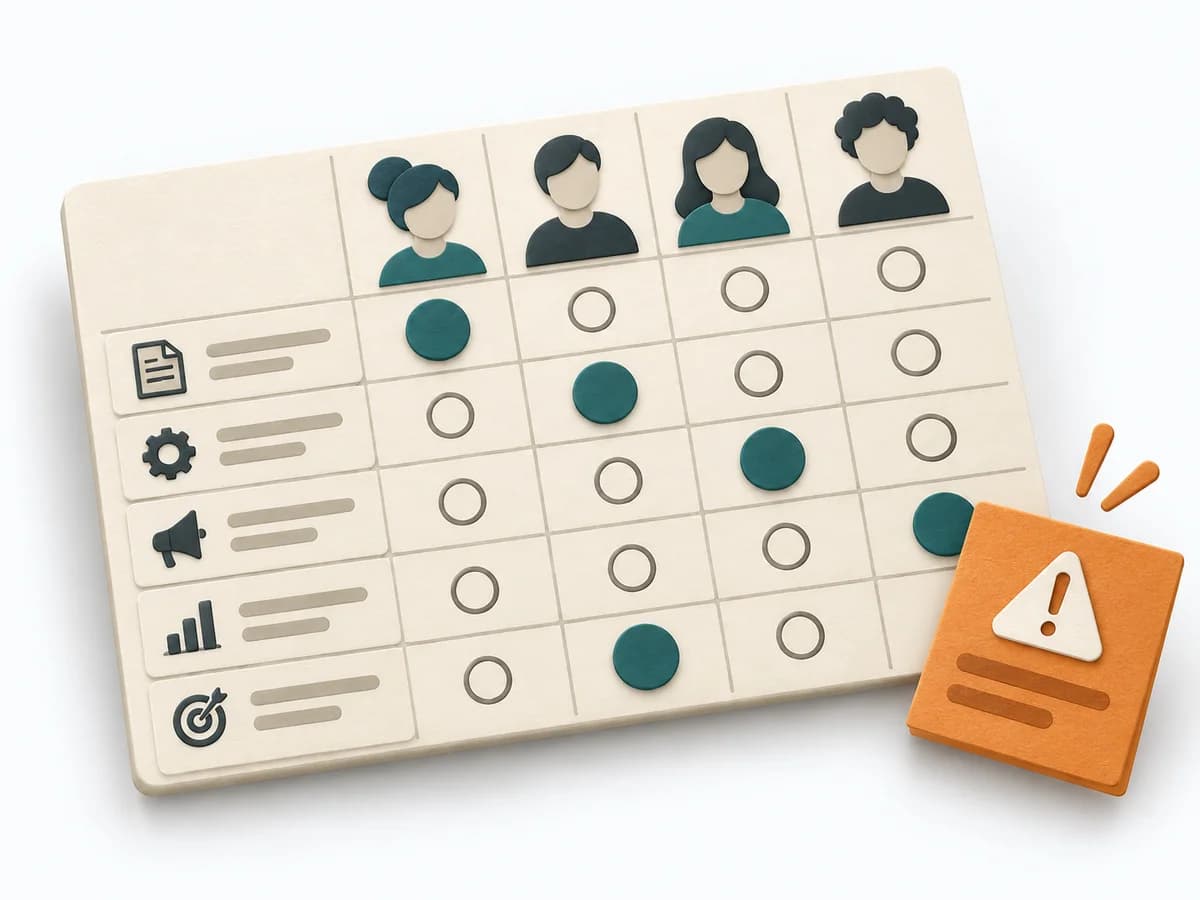 Operations RACI Matrix |  Decision Making RAPID | 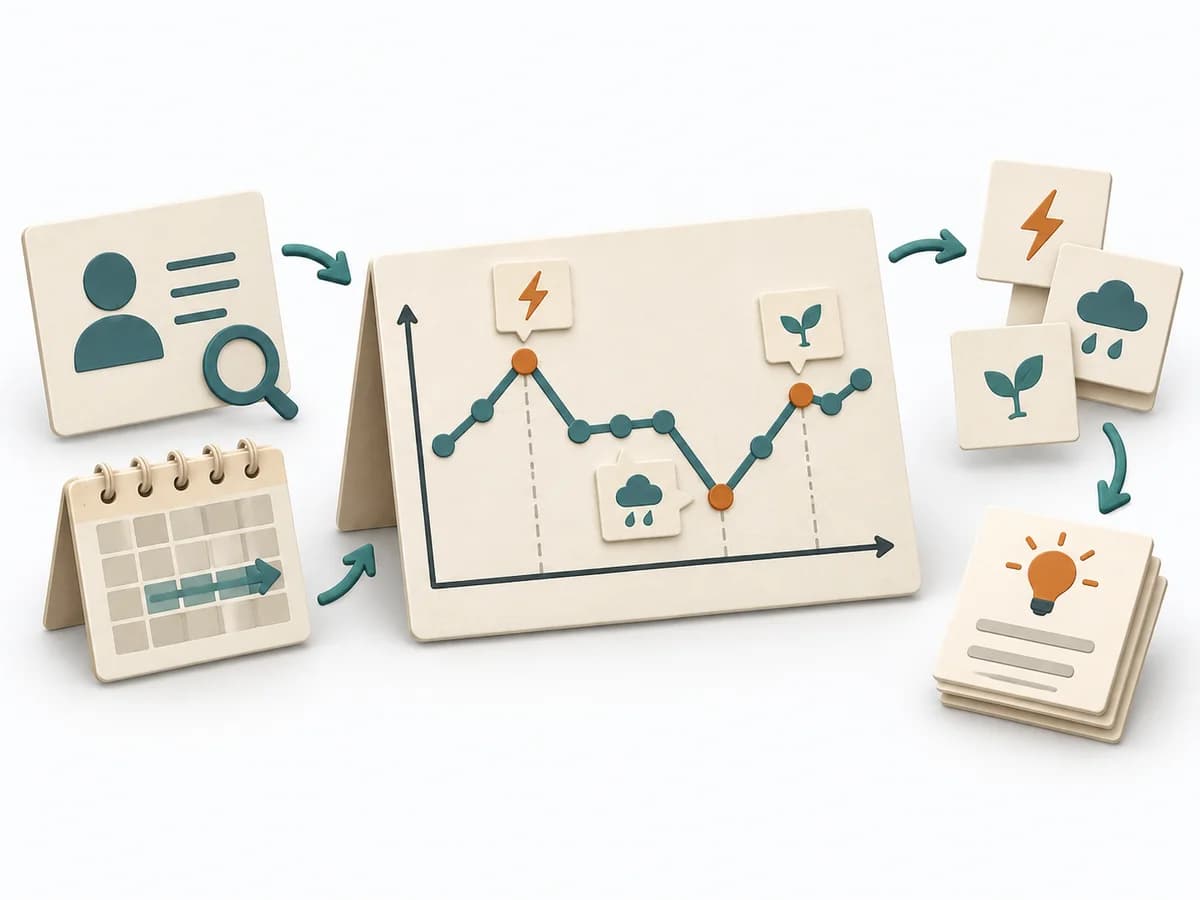 Systems Thinking Behavior Over Time Graph |
|---|---|---|---|---|
Purposedifferent | The Iceberg Model separates visible events from patterns, structures, and mental models. This turns a single observation into a deeper understanding of why a problem keeps recurring. | With unclear responsibilities across several roles or areas, the method creates unambiguous accountability logic. It reduces friction because decision, execution, contribution, and information become separately visible. | In complex management decisions, clarity is often missing about who recommends, who agrees, and who makes the decision. RAPID creates this assignment and stabilizes decisions across several levels. | A Behavior Over Time Graph shows how a metric or observation develops over time. The method makes trends, breaks, and recurring patterns visible that get lost in snapshots. |
Complexitydifferent | Low | Low | Medium | Low |
Timedifferent | 30-60 min | 45-90 min | 45-90 min | 20-45 min |
Participantsdifferent | 2-10 | 2-8 | 3-12 | 1-10 |
Formatsame | Workshop + async | Workshop + async | Workshop + async | Workshop + async |
Outputdifferent | Iceberg Worksheet, Pattern Notes, Intervention Ideas | RACI Matrix, Responsibility Map, Decision Notes | RAPID Role Map, Recommendation, Decision Log | Behavior Over Time Graph, Trend Hypotheses, Key Events |
Tagsno overlap | Systems thinkingRoot causePatterns | RolesResponsibilityGovernanceOperations | DecisionRolesGovernance | Systems thinkingPatternsDynamics |