View methods side by side.
Choose up to four methods. Add them using the search and share the comparison by copying its link.
| Criterion | 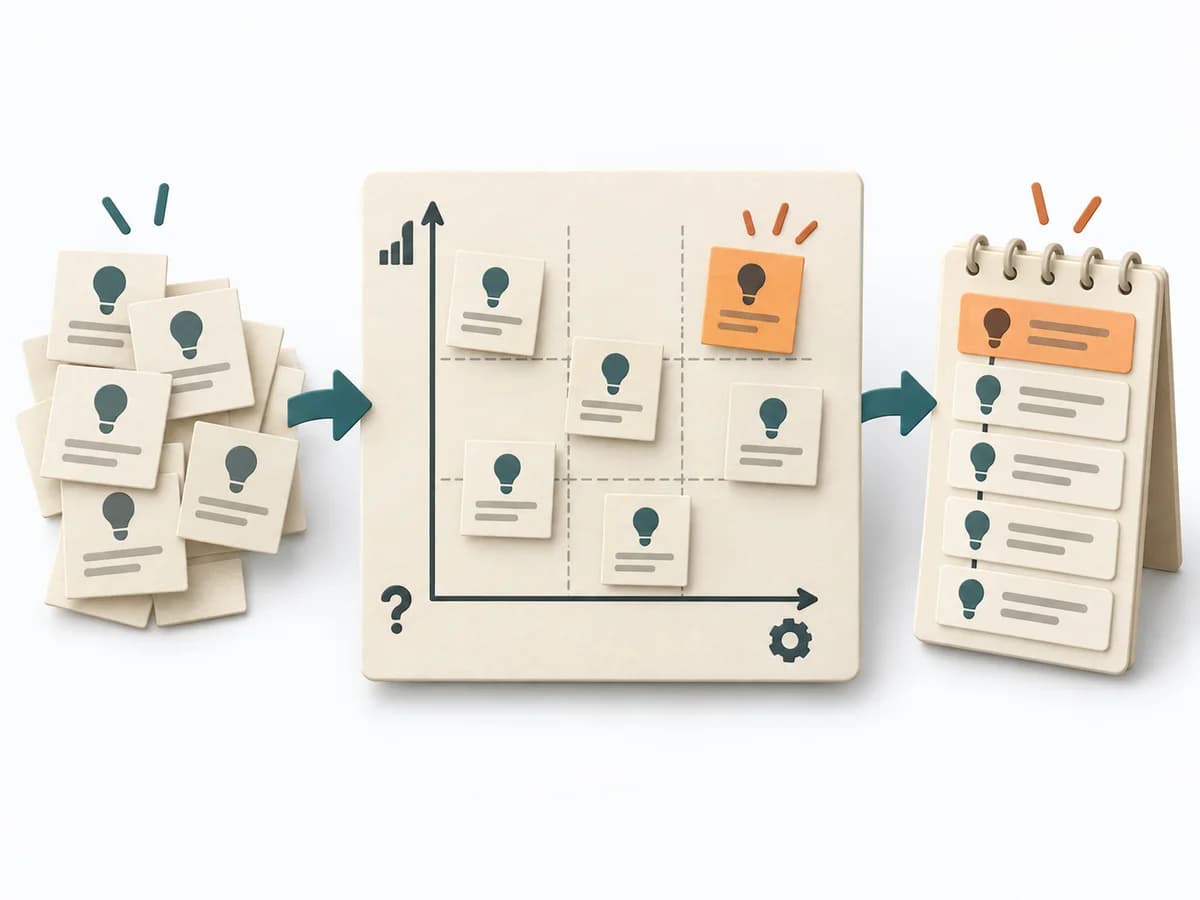 Product Discovery Hypothesis Prioritization Canvas | 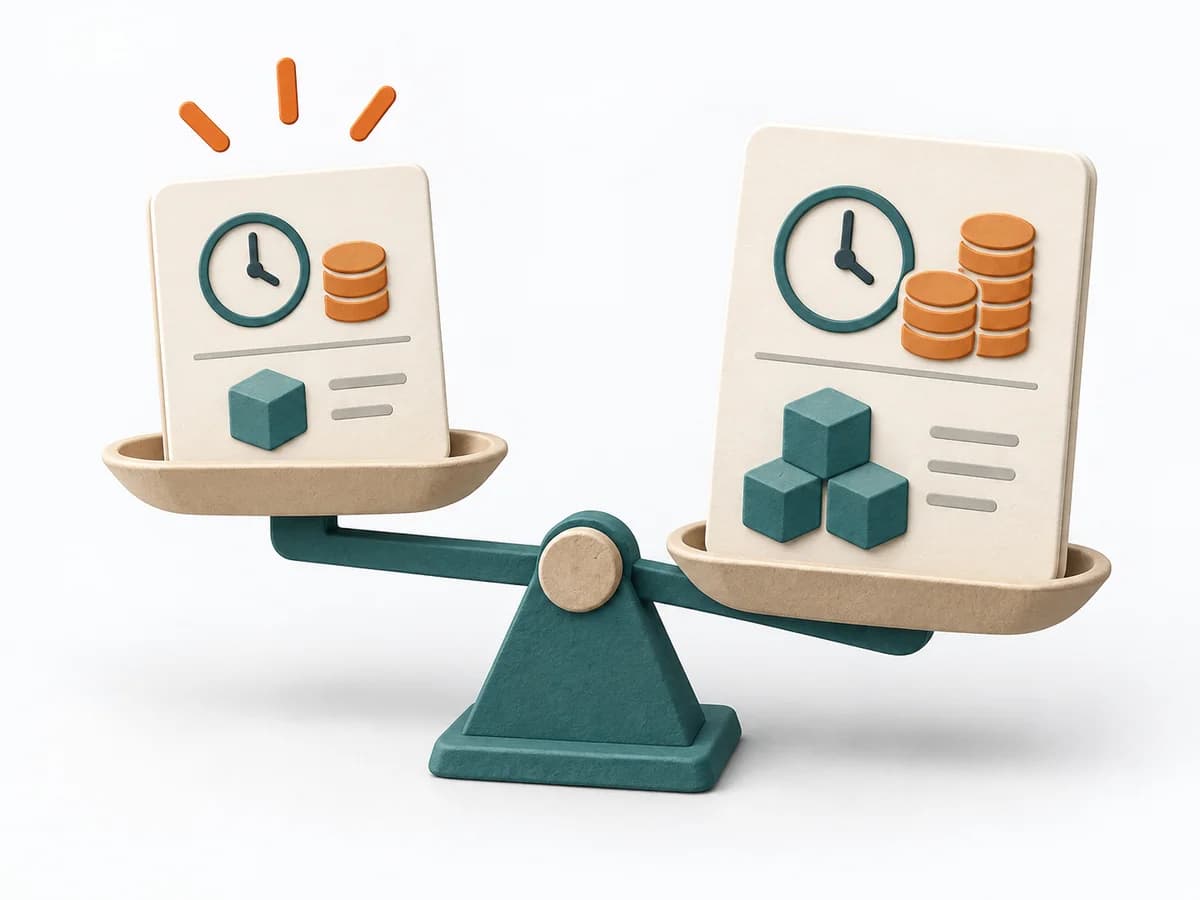 Agile WSJF | 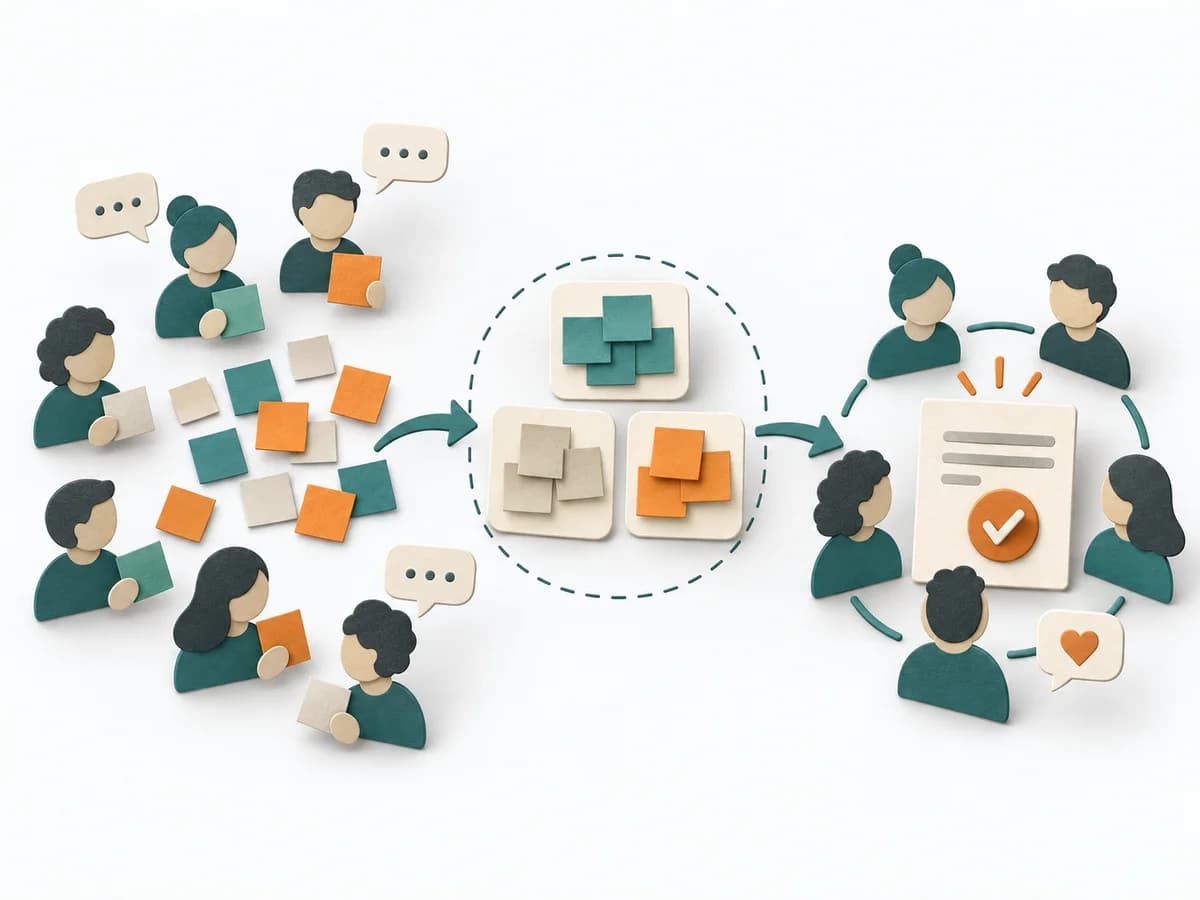 Facilitation Consensus Workshop | 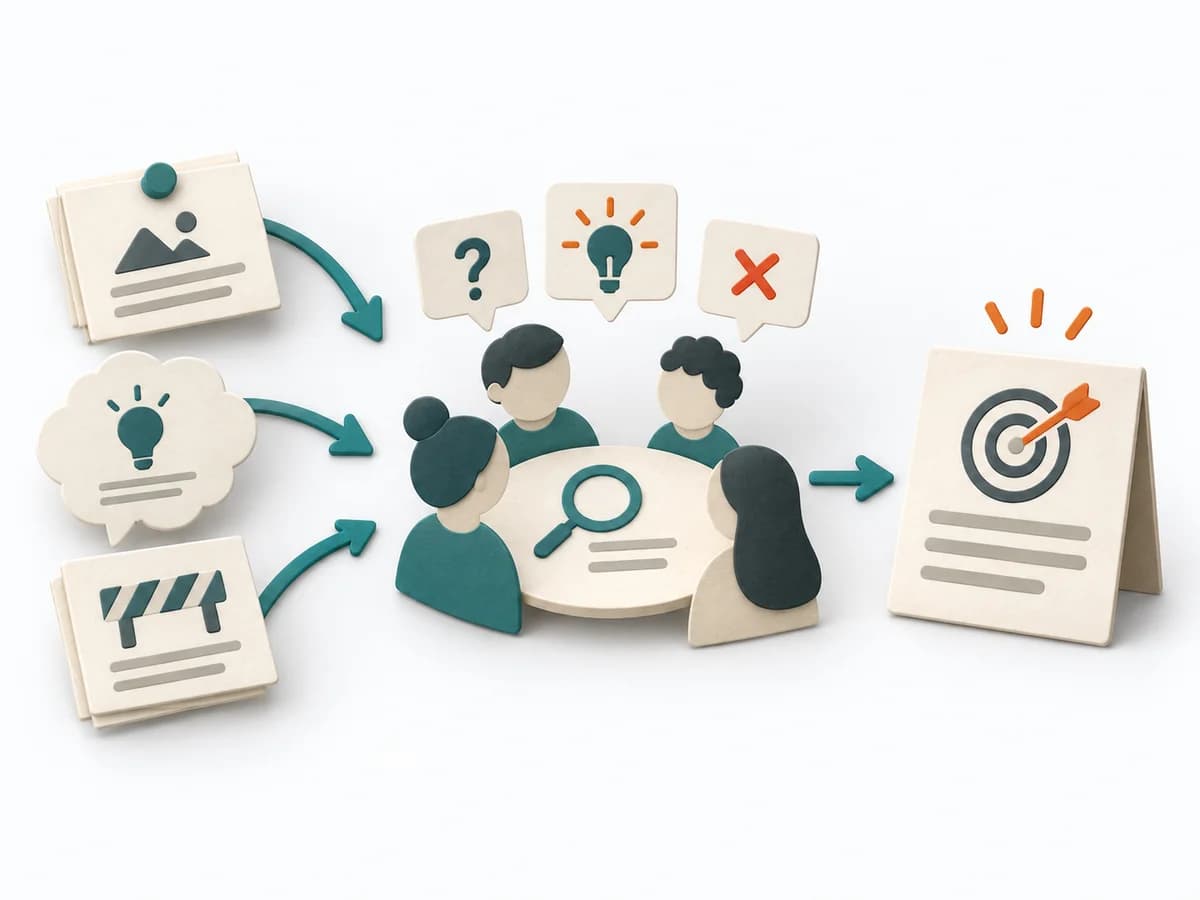 Facilitation Problem Framing Workshop |
|---|---|---|---|---|
Purposedifferent | When many hypotheses compete for attention, it brings order to their learning sequence and importance. It separates problem, assumption, solution, and evidence. The result is captured as a prioritization canvas and a hypothesis backlog. | When many tasks compete for the same capacity, it orders work by economic impact. It makes time lost, benefit, and effort comparable together. | When a group needs a solid decision without outvoting individual factions, a Consensus Workshop creates a negotiable common ground. It makes agreement, reservations, and open tensions discussable at the same time. | When a team works on symptoms but the real question stays fuzzy, a Problem Framing Workshop sharpens the view of the right problem. It separates observation, interpretation, and target picture from each other. |
Complexitydifferent | Medium | High | Medium | Low |
Timedifferent | 60-90 min | 45-90 min | 1-3 h | 60-120 min |
Participantsdifferent | 3-8 | 3-10 | 5-30 | 4-10 |
Formatsame | Workshop | Workshop | Workshop | Workshop |
Outputdifferent | Prioritization Canvas, Hypothesis Backlog | Ranked Backlog, Cost-of-Delay Assumptions | Consensus Clusters, Theme Titles, Priority Areas | Problem Statement, Scope Boundaries, Assumption List, Next Analysis Questions |
Tagsno overlap | ExperimentsPrioritizationDiscoveryHypothesis | LeanEconomicsSequencePrioritization | FacilitationConsensusWorkshopAlignment | FacilitationAlignmentDiscovery |