View methods side by side.
Choose up to four methods. Add them using the search and share the comparison by copying its link.
| Criterion |  Engineering Hypothesis-Driven Troubleshooting | 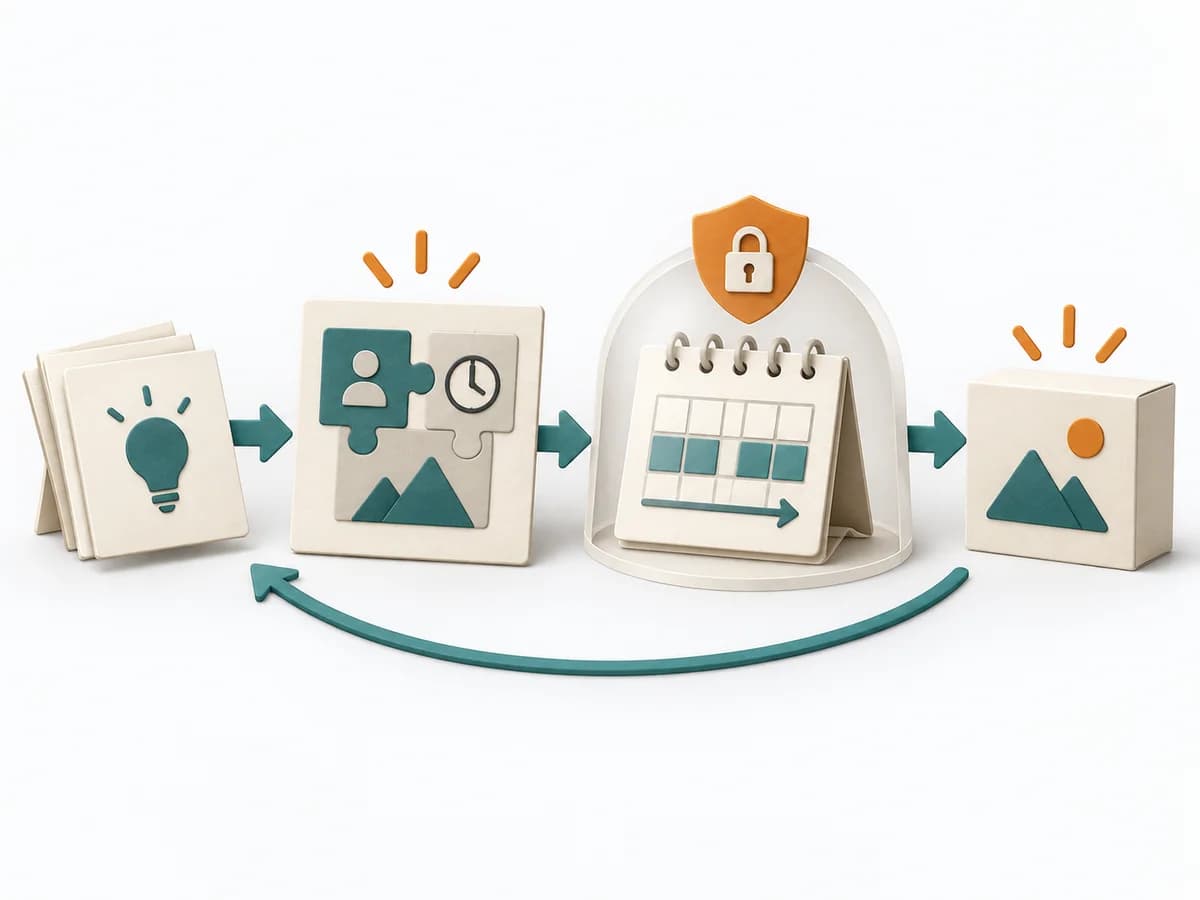 Delivery Shape Up | 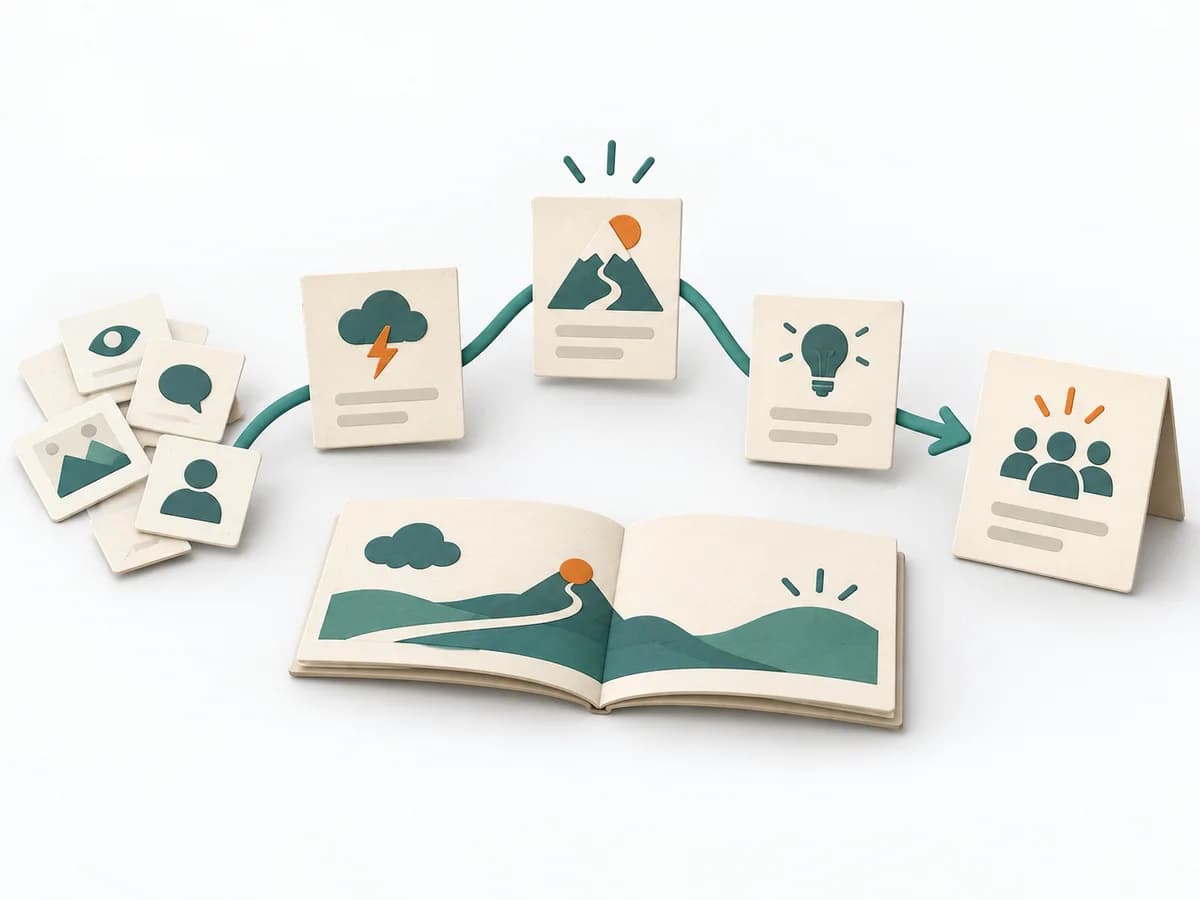 Facilitation Storytelling |  Facilitation Alignment Mapping |
|---|---|---|---|---|
Purposedifferent | When systems fail unexpectedly, spontaneous attempts often produce more noise than insight. Hypothesis-driven Troubleshooting translates symptoms into testable assumptions and makes troubleshooting learnable. | Shape Up helps clarify scope, sequence, and delivery flow. It makes work boundaries and decisions explicit and captures results as pitches, bet-table decisions, and hill charts. | When an insight needs to have an effect, storytelling translates dry facts into a comprehensible development. It combines context, tension, and consequence into a form that people remember and pass on more easily. | When several people work toward one goal but hold different mental maps, Alignment Mapping makes the discrepancies visible. It arranges goals, assumptions, and priorities so shared direction becomes verifiable. |
Complexitysame | Medium | Medium | Medium | Medium |
Timedifferent | 30-240 min | 6 Wochen Cycle + 2 Wochen Cool-Down | 45-120 min | 1-2 h |
Participantsdifferent | 1-6 | 2-4 pro Pitch | 1-6 | 4-12 |
Formatdifferent | Workshop + async | Workshop + async | Workshop + async | Workshop |
Outputdifferent | Hypothesis Log, Test Plan, Evidence Notes, Diagnosis Summary | Pitches, Bet-table decisions, Hill charts, Cooldown outcomes | Narrative Outline, Key Message, Story Arc | Alignment Map, Open Issues, Decision Questions |
Tagsno overlap | TroubleshootingProblem solvingDiagnosis | PlanningDeliveryAutonomy | CommunicationNarrativeStakeholdersFacilitation | AlignmentStakeholdersStrategyFacilitation |