View methods side by side.
Choose up to four methods. Add them using the search and share the comparison by copying its link.
| Criterion | 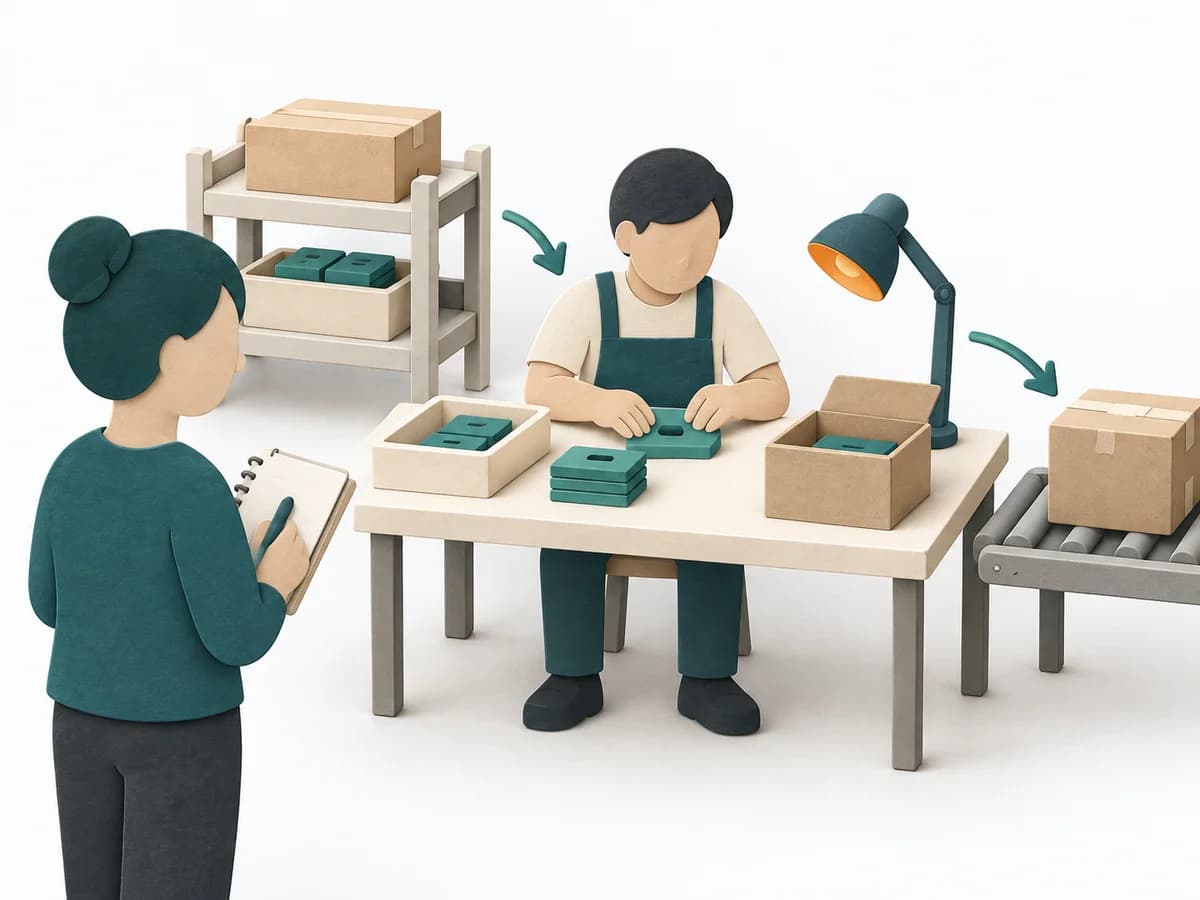 Operations Gemba Walk | 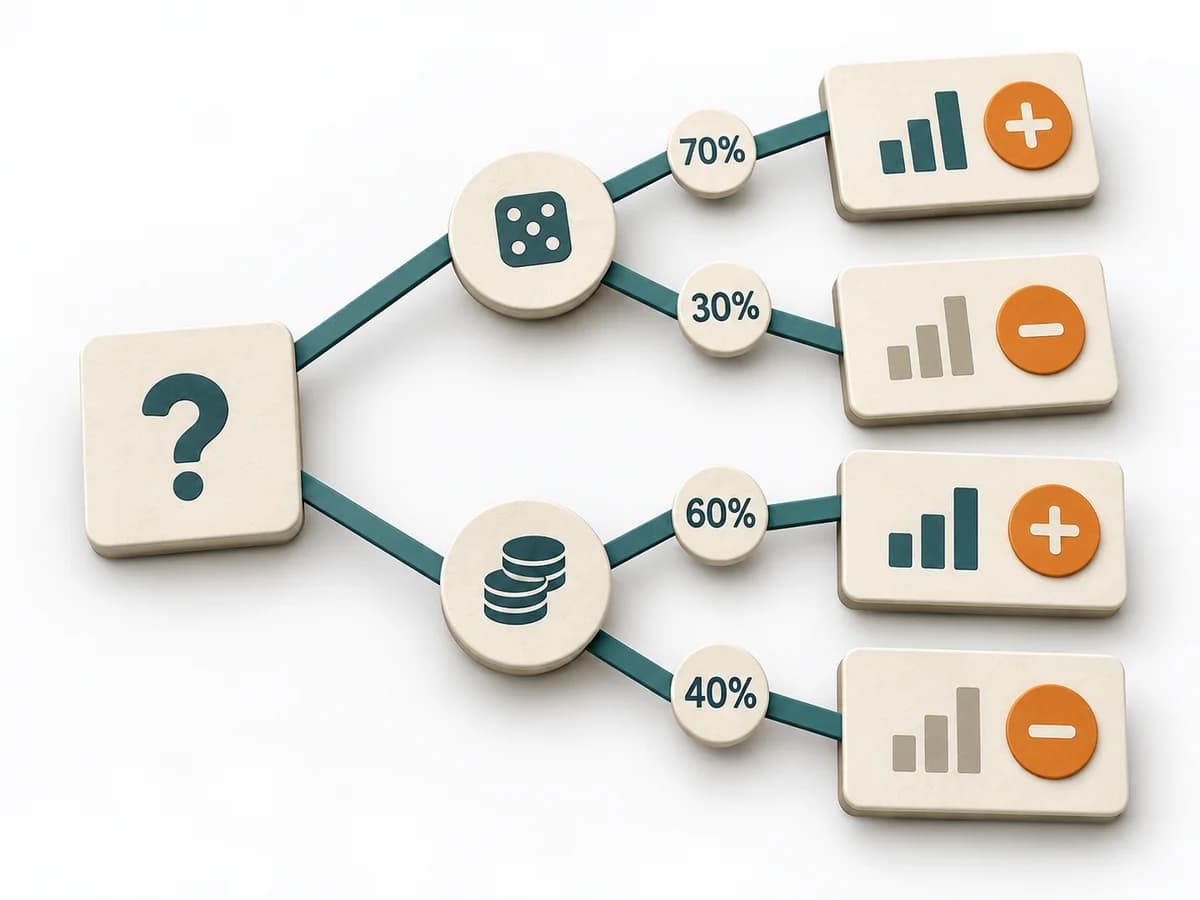 Decision Making Decision Tree | 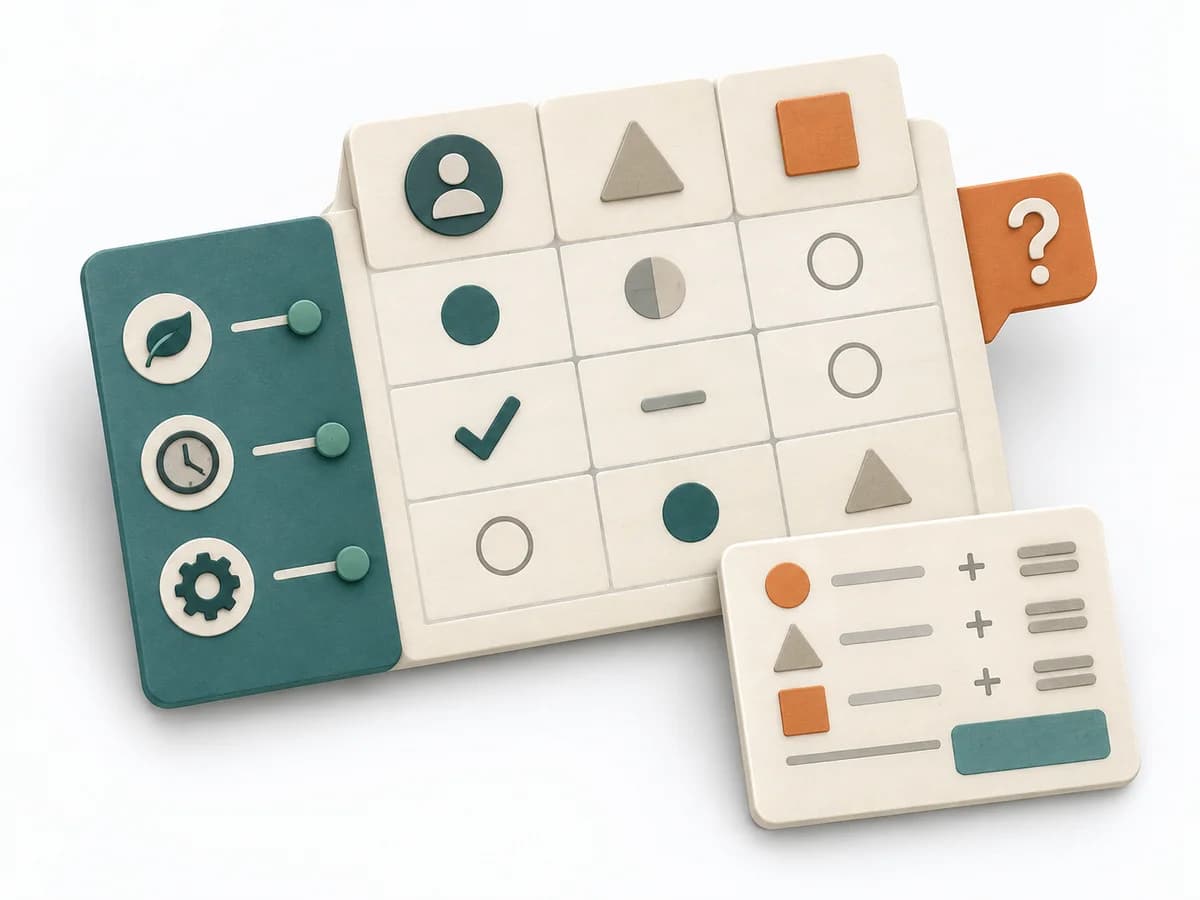 Decision Making Decision Matrix | 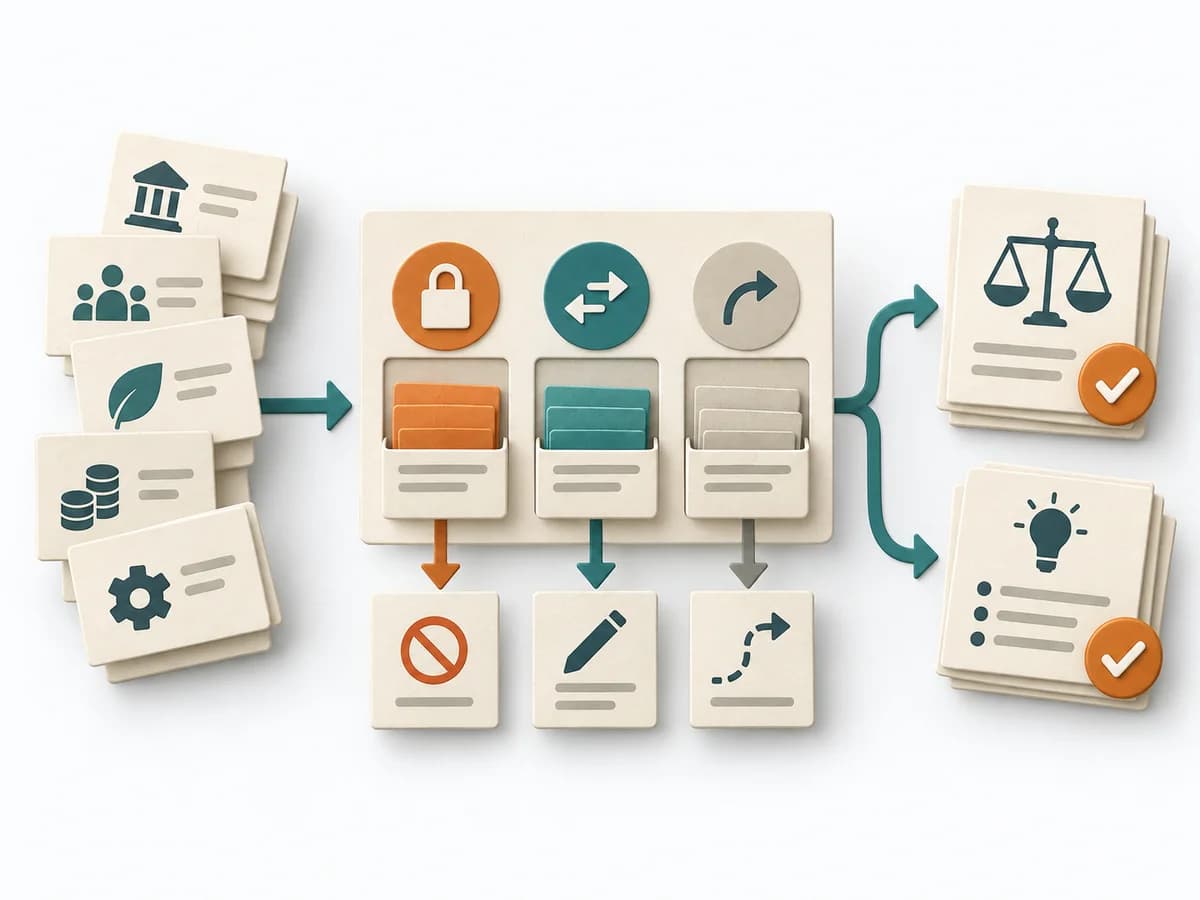 Decision Making Constraint Analysis |
|---|---|---|---|---|
Purposedifferent | When there is uncertainty about the real course of a process, the method brings observation to the place where work happens. It combines perception, follow-up questions, and process knowledge so decisions rest on actual workflows instead of assumptions. | For decisions with follow-on paths and dependencies, a linear comparison is often not enough. A Decision Tree shows how options branch under conditions and which consequences hang on each branch. | When several options collide with several criteria, comparison quickly becomes subjective. A Decision Matrix makes the trade-off visible and brings weighting, criteria, and options into a shared logic. | When an initiative stalls, the limit often lies not in the idea but in hard or soft boundary conditions. Constraint Analysis separates these limits and shows which of them can actually be shaped. |
Complexitydifferent | Low | Medium | Medium | Low |
Timedifferent | 30-120 min | 30-90 min | 45-90 min | 30-90 min |
Participantsdifferent | 2-6 | 1-6 | 2-8 | 2-8 |
Formatdifferent | Workshop | Workshop + async | Workshop + async | Workshop + async |
Outputdifferent | Observation Notes, Improvement Ideas | Decision Tree, Option Map, Assumption List | Decision Matrix, Scoring Rationale, Selected Option | Constraint List, Hard/Soft Classification, Option Impact Notes, Decision Boundaries |
Tagsno overlap | LeanObservationProcessOperations | DecisionTreeOptions | DecisionCriteriaScoringTradeoffs | ConstraintsDecisionPlanningOptions |