View methods side by side.
Choose up to four methods. Add them using the search and share the comparison by copying its link.
| Criterion |  Business Strategy GAP Analysis |  Domain Modeling Context Map | 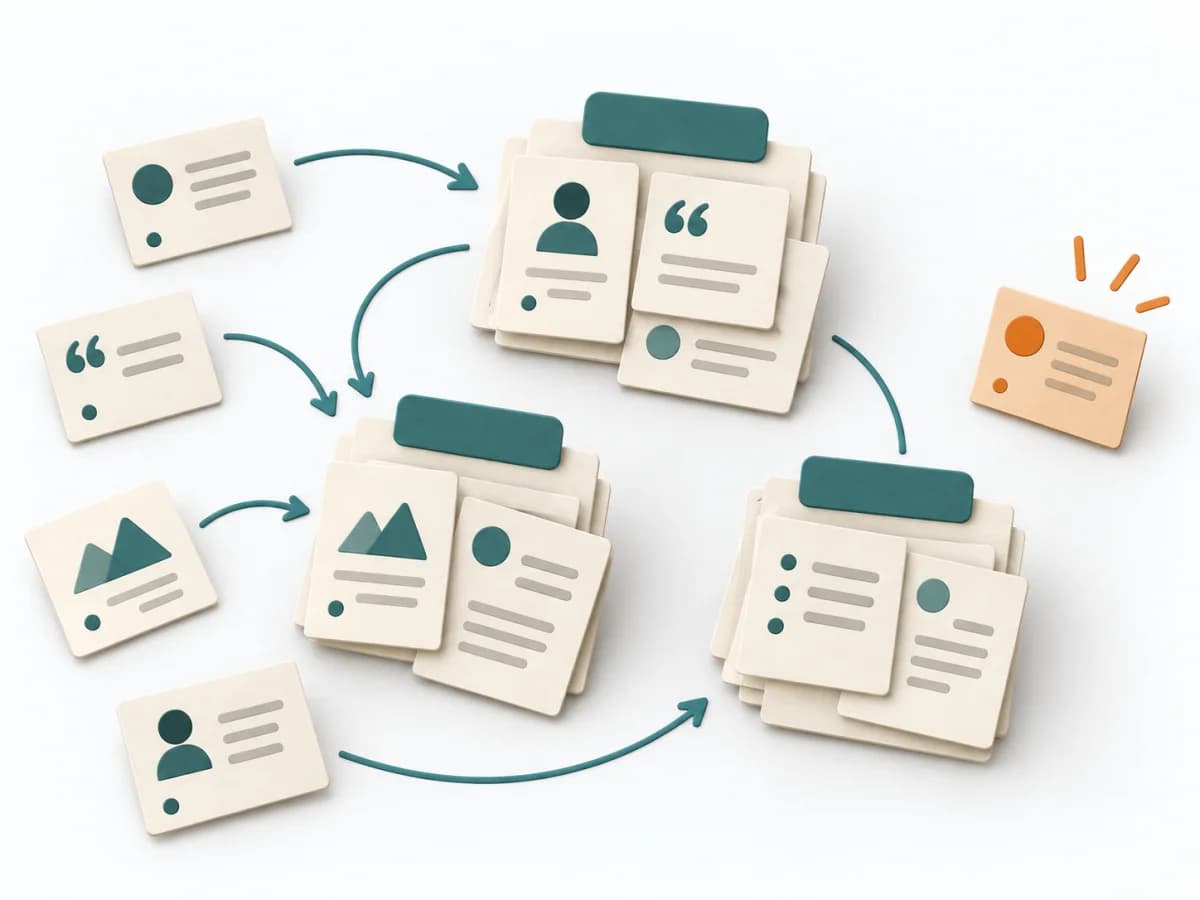 UX Research Affinity Diagramming | 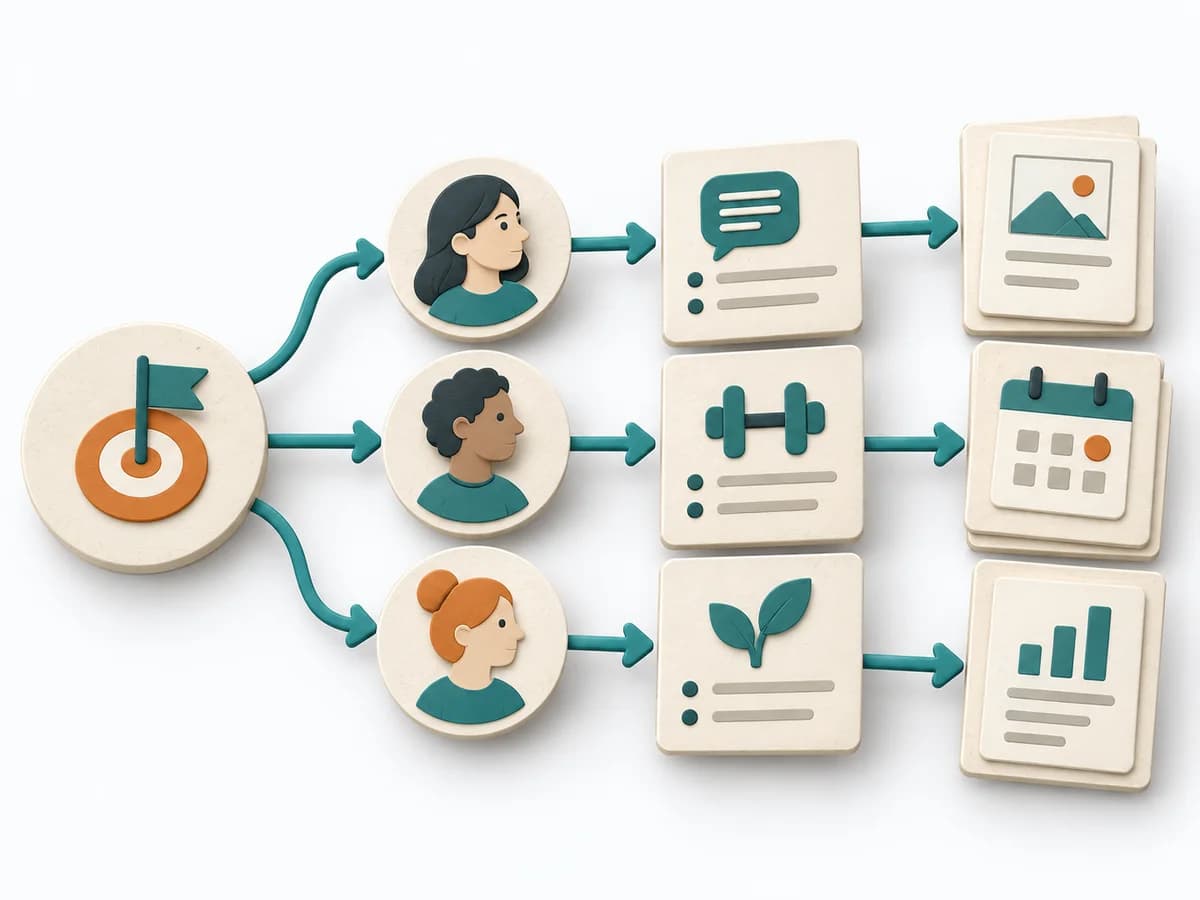 Product Strategy Impact Mapping |
|---|---|---|---|---|
Purposedifferent | GAP Analysis compares the current state with a target picture and makes the distance manageable. It becomes useful when, ahead of new initiatives, it must become clear which capabilities, processes, or resources are missing. | When several contexts need to talk to each other, it makes their relationships and dependencies legible. It helps sort integration pressure and responsibilities across system boundaries. | When research notes, feedback, or observations sit unconnected side by side, affinity diagramming sorts the raw material into solid themes. Many individual points turn into patterns that make decisions and opportunities clearer. | When a goal needs to be connected to several possible paths, it shows chains of impact instead of feature lists. It connects business goal, behavior change, and measures. |
Complexitydifferent | Medium | Medium | Low | Medium |
Timedifferent | 1-3 h | 1-3 h | 45–90 min | 45-90 min |
Participantsdifferent | 2-8 | 2-8 | 3-10 | 3-8 |
Formatdifferent | Workshop + async | Workshop + async | Workshop | Workshop |
Outputdifferent | Gap Matrix, Action Plan, Risk Notes | Context Map, Integration Patterns, Boundary Notes | Theme clusters, Insight statements, Opportunity areas | Impact Map, Outcome Hypotheses, Delivery Options |
Tagsno overlap | StrategyAnalysisPlanning | Domain-Driven DesignBoundariesStrategy | SynthesisQualitativeRoot cause | OutcomesStrategyBehaviorPlanning |