View methods side by side.
Choose up to four methods. Add them using the search and share the comparison by copying its link.
| Criterion | 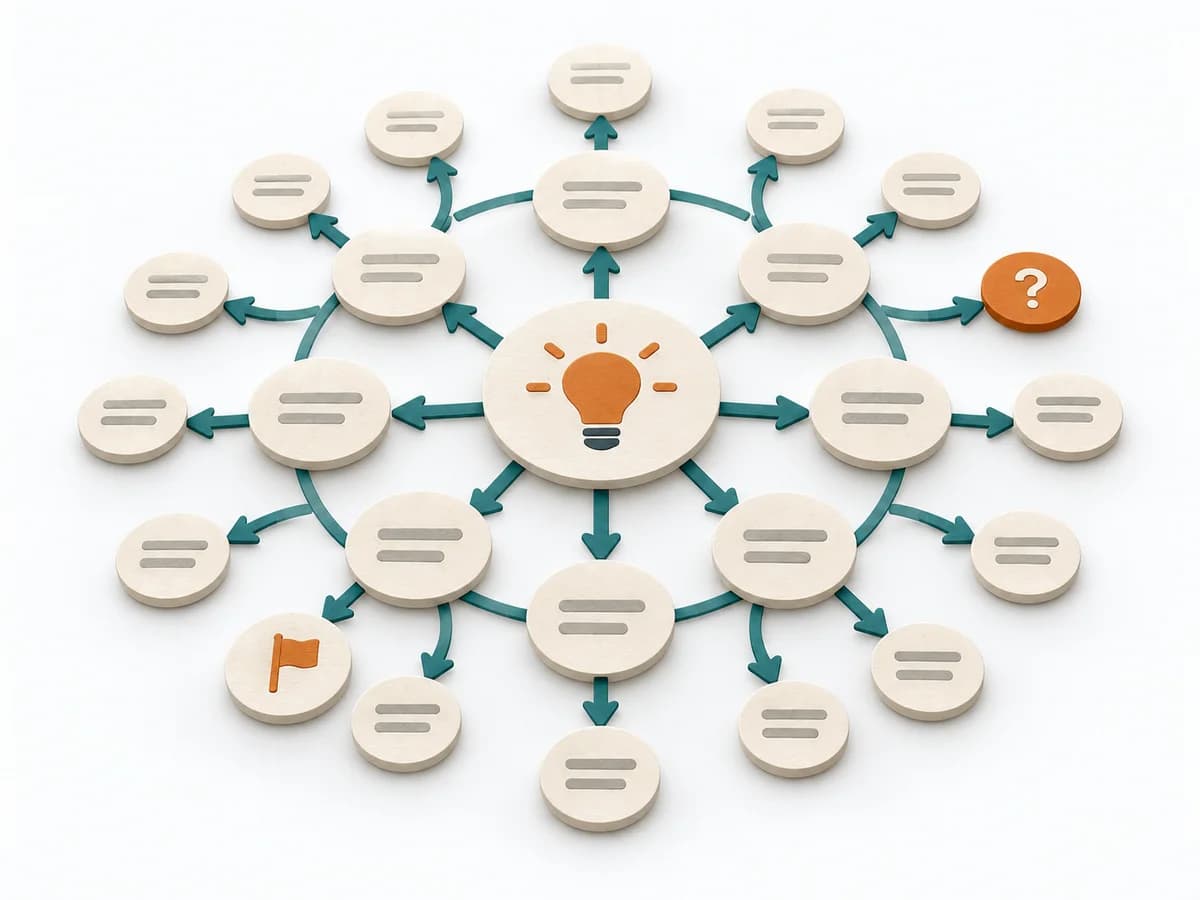 Systems Thinking Futures Wheel | 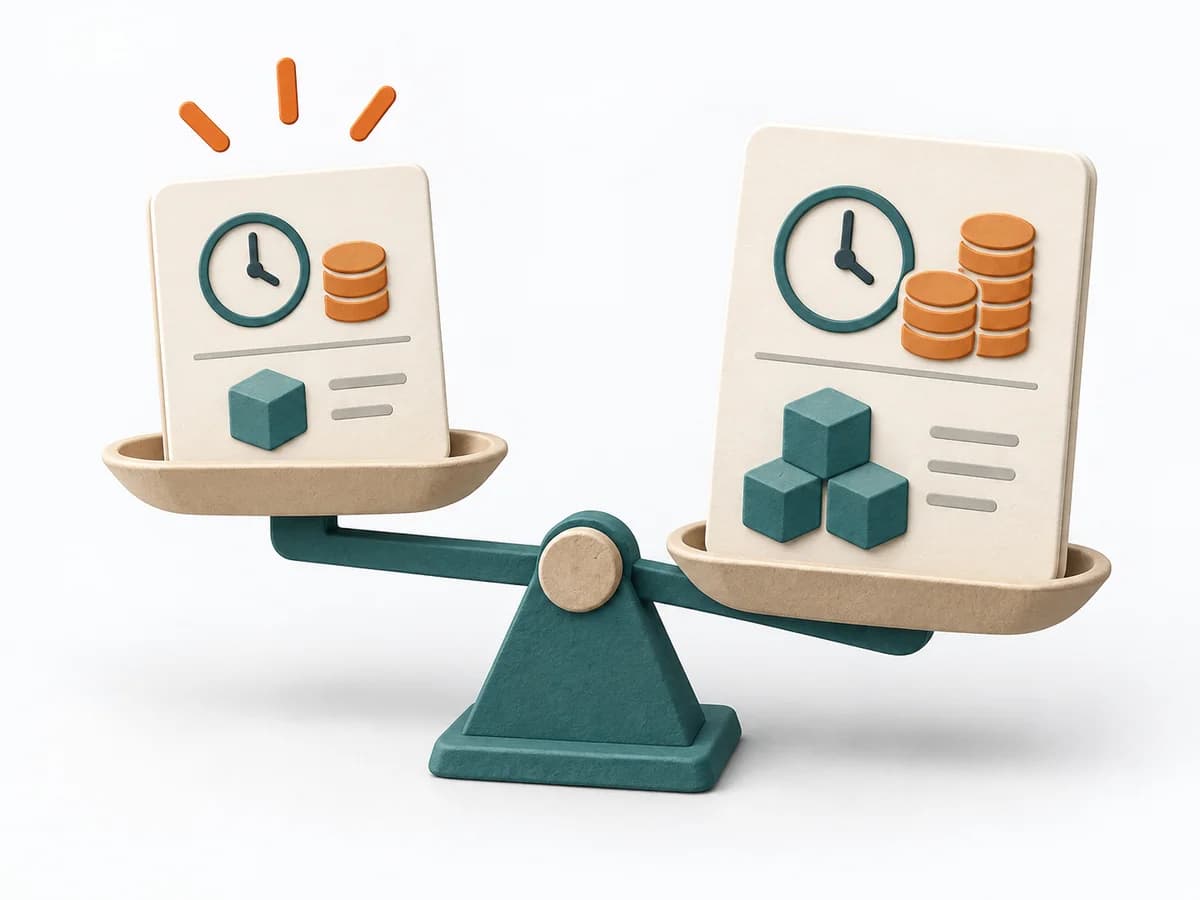 Agile WSJF | 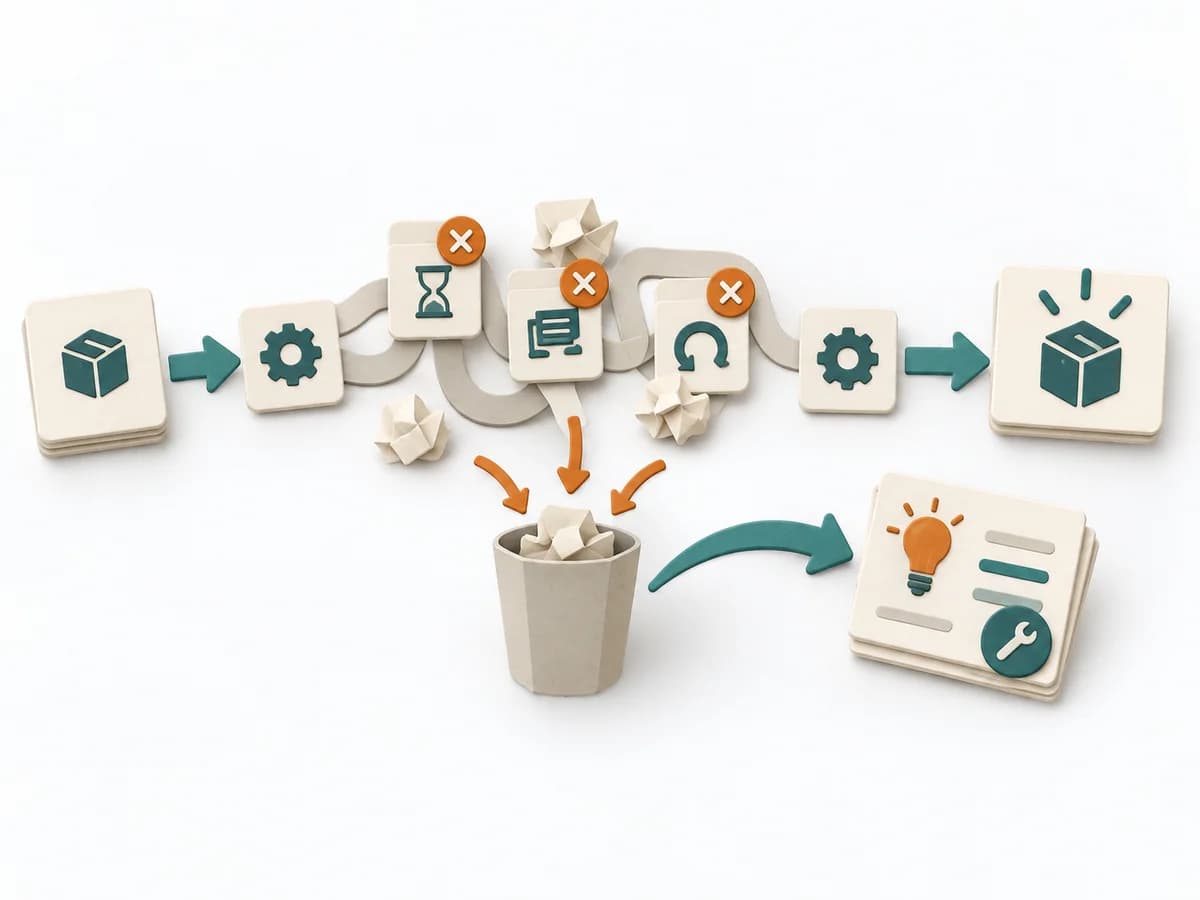 Operations Waste Analysis | 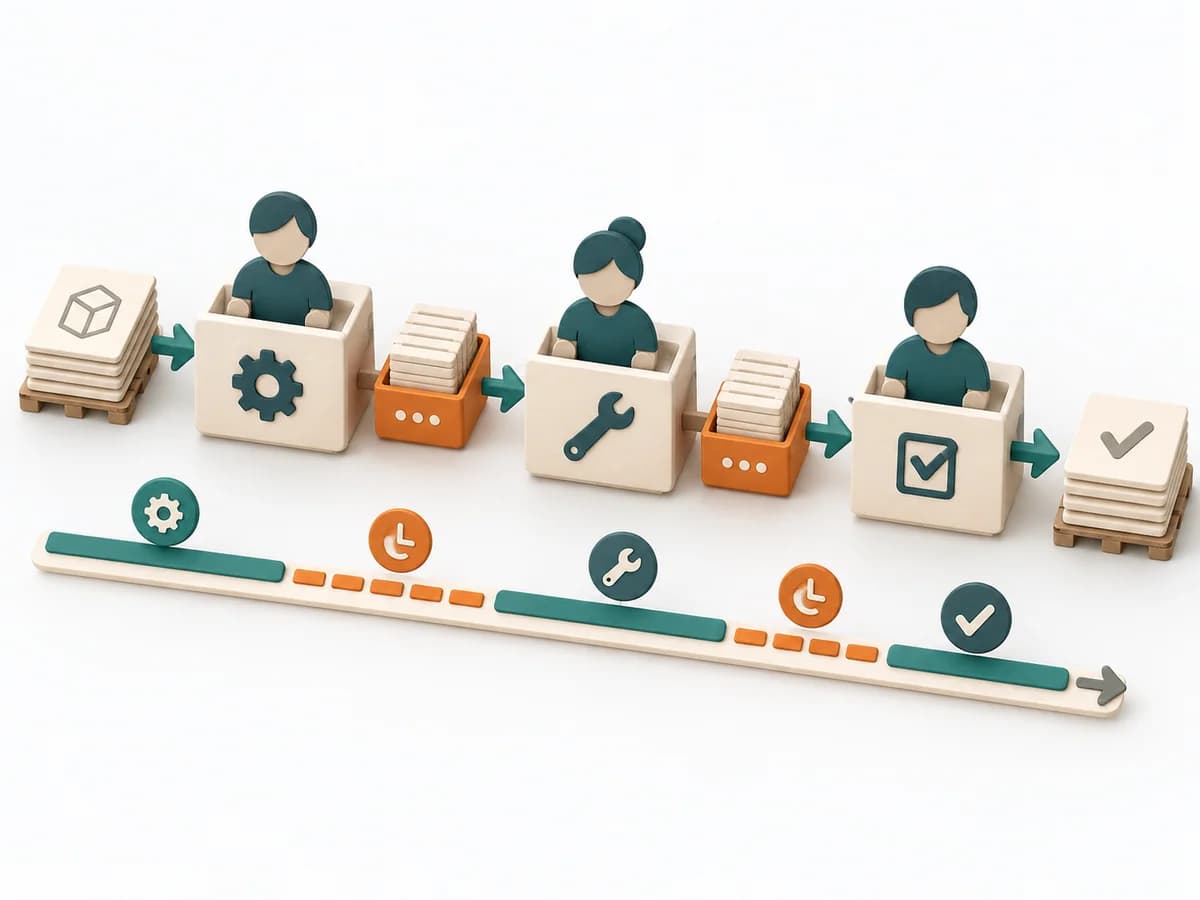 Delivery Value Stream Mapping |
|---|---|---|---|---|
Purposedifferent | The Futures Wheel helps explore the consequences of a decision, a trend, or a strategic move in a structured way. It makes visible which first, second, and third-order effects could arise from an event. | When many tasks compete for the same capacity, it orders work by economic impact. It makes time lost, benefit, and effort comparable together. | For a process that keeps people busy but creates little value, the method exposes waste. It directs attention to unnecessary movement, waiting times, rework, and overdelivery. | When delivery work dissolves into wait times, handoffs, and hidden effort, Value Stream Mapping makes the actual flow visible. The method exposes bottlenecks, idle time, and feedback loops so lead time and improvement levers become tangible. |
Complexitydifferent | Medium | High | Low | Medium |
Timedifferent | 60-120 min | 45-90 min | 45-120 min | 1-3 h |
Participantsdifferent | 3-10 | 3-10 | 2-8 | 4-10 |
Formatdifferent | Workshop + async | Workshop | Workshop | Workshop |
Outputdifferent | Futures Wheel, Consequence Chains, Strategic Signals | Ranked Backlog, Cost-of-Delay Assumptions | Waste Map, Prioritized Waste, Improvement Backlog | Current-state map, Future-state map, Bottleneck list |
Tagsno overlap | ForesightSystems thinkingSignals | LeanEconomicsSequencePrioritization | WasteLeanProcess improvement | LeanFlowWasteDelivery |