View methods side by side.
Choose up to four methods. Add them using the search and share the comparison by copying its link.
| Criterion | 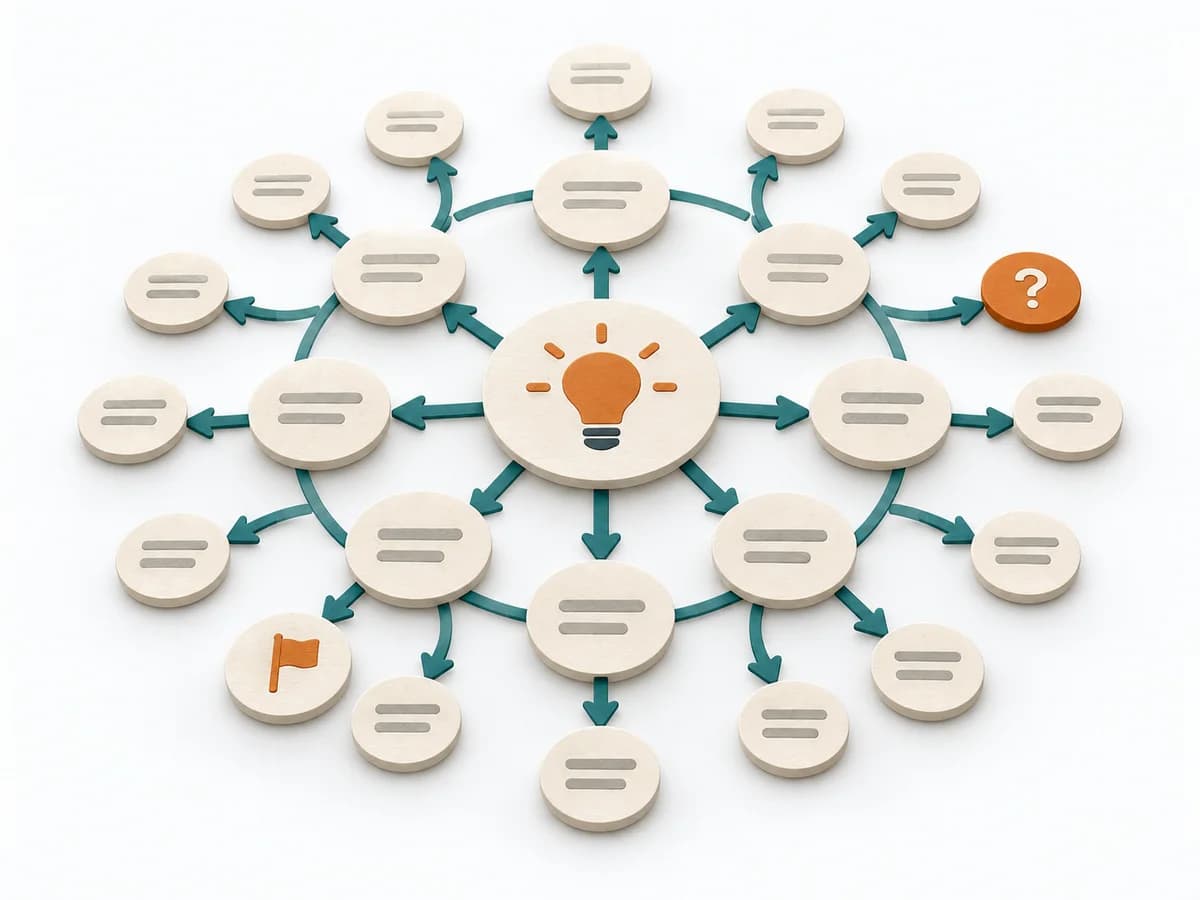 Systems Thinking Futures Wheel | 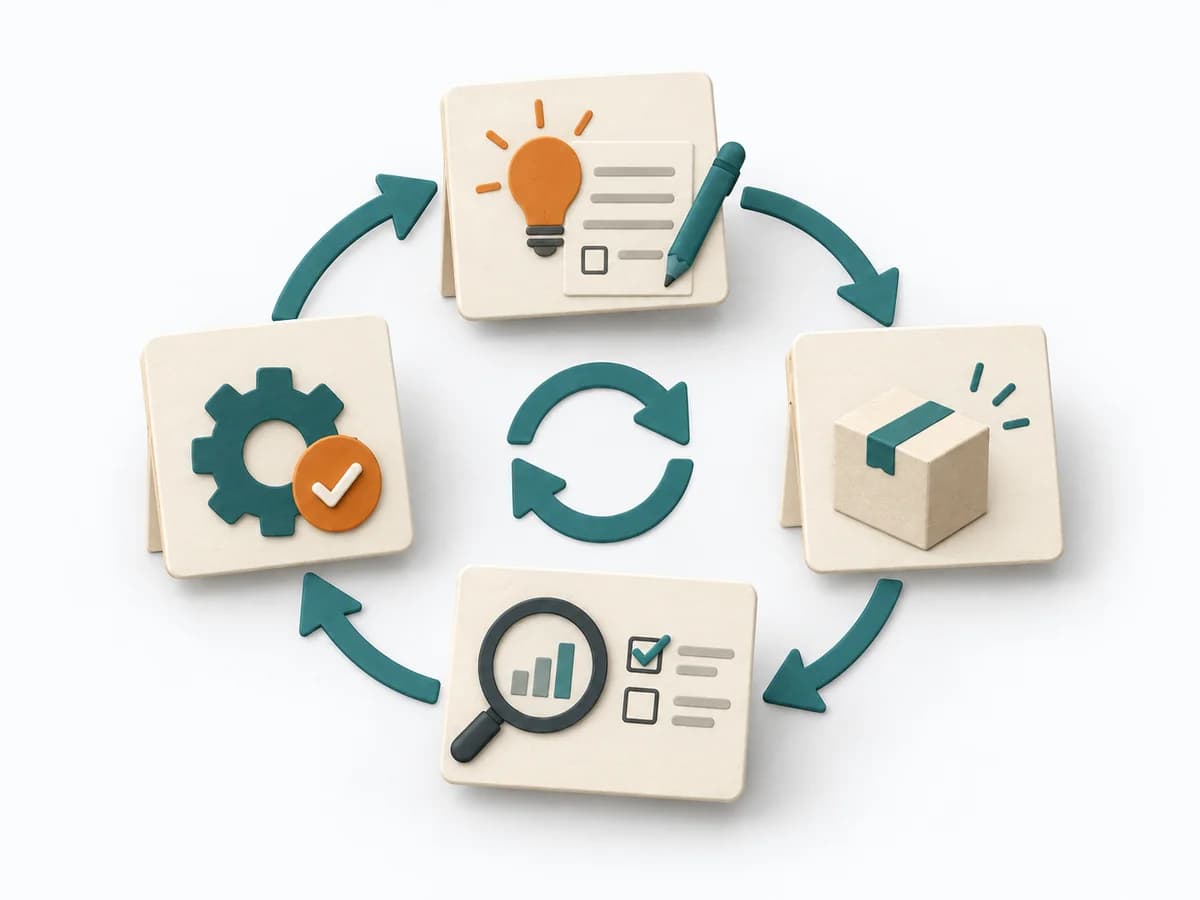 Operations PDCA Cycle | 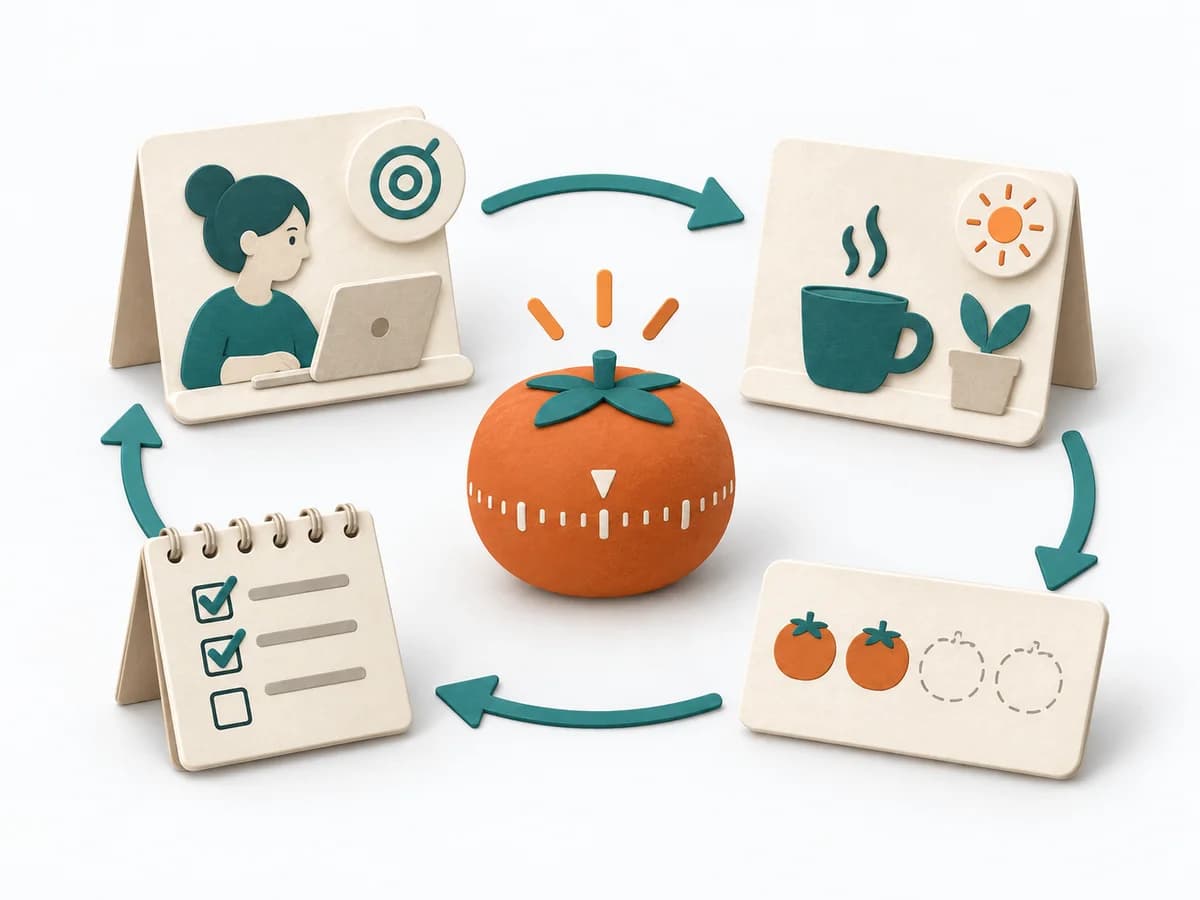 Operations Pomodoro Technique |  Operations Ivy Lee Method |
|---|---|---|---|---|
Purposedifferent | The Futures Wheel helps explore the consequences of a decision, a trend, or a strategic move in a structured way. It makes visible which first, second, and third-order effects could arise from an event. | For an improvement that still has to prove itself in everyday work, the method runs it through small learning loops. It connects planning, checking, and standardization into a repeatable learning mode. | For easily distracted solo work, the method sets clear time boundaries for concentrated work. It protects attention when large tasks would otherwise fall apart into small avoidance moves. | With a restless workday full of too many open items, the method creates radical simplicity. It directs attention to a short sequence instead of a broad, still-open field. |
Complexitydifferent | Medium | Low | Low | Low |
Timedifferent | 60-120 min | 1 h bis mehrere Wochen | 25 min Zyklen | 5-10 min daily |
Participantsdifferent | 3-10 | 1-8 | 1 | 1 |
Formatdifferent | Workshop + async | Workshop + async | Async | Async |
Outputdifferent | Futures Wheel, Consequence Chains, Strategic Signals | PDCA Log, Experiment Plan, Learning Outcome, Standard Change | Focus Sessions, Task Progress, Interruption Notes | Daily Priority List, Completion Notes |
Tagsno overlap | ForesightSystems thinkingSignals | Continuous improvementLeanExperiments | FocusTime managementProductivityExecution | PrioritizationProductivityExecution |