View methods side by side.
Choose up to four methods. Add them using the search and share the comparison by copying its link.
| Criterion |  Decision Making Force Field Analysis | 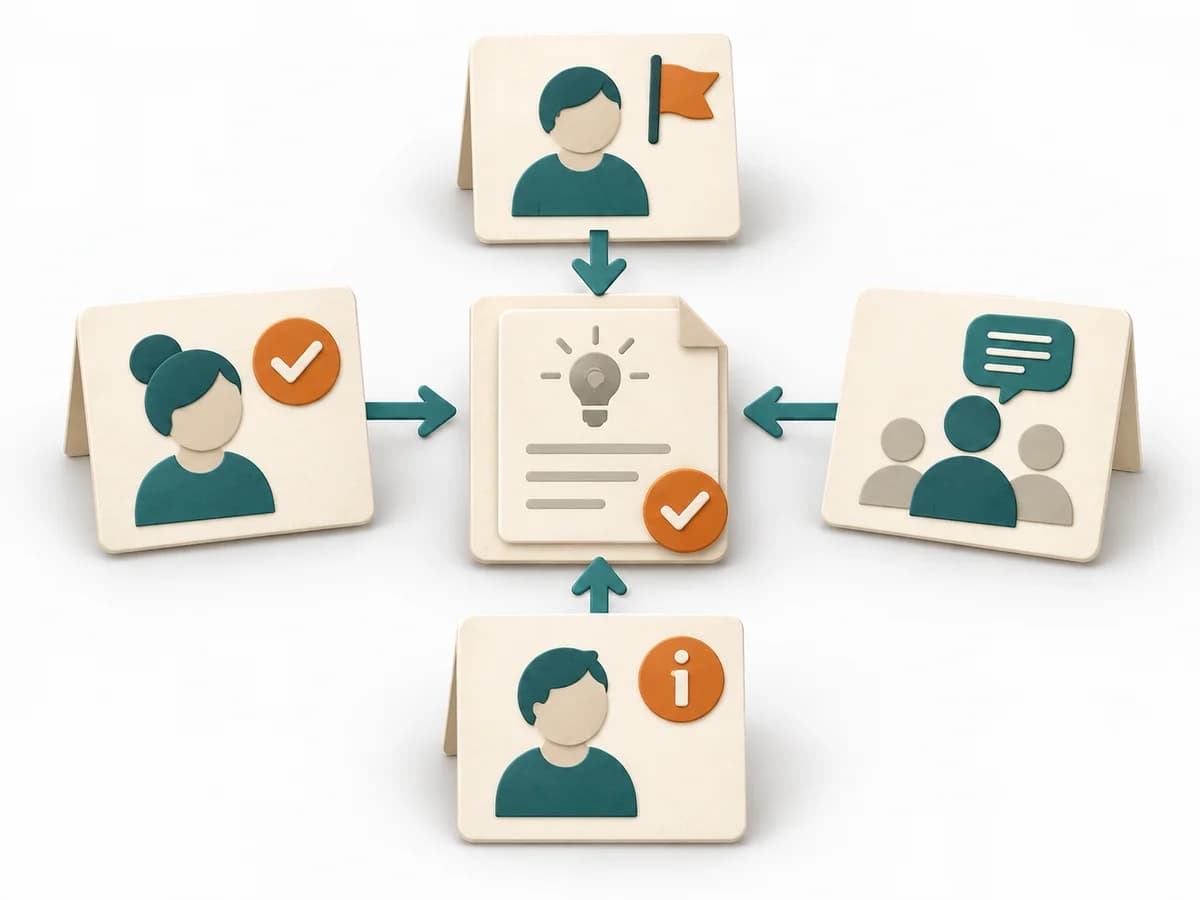 Decision Making DACI | 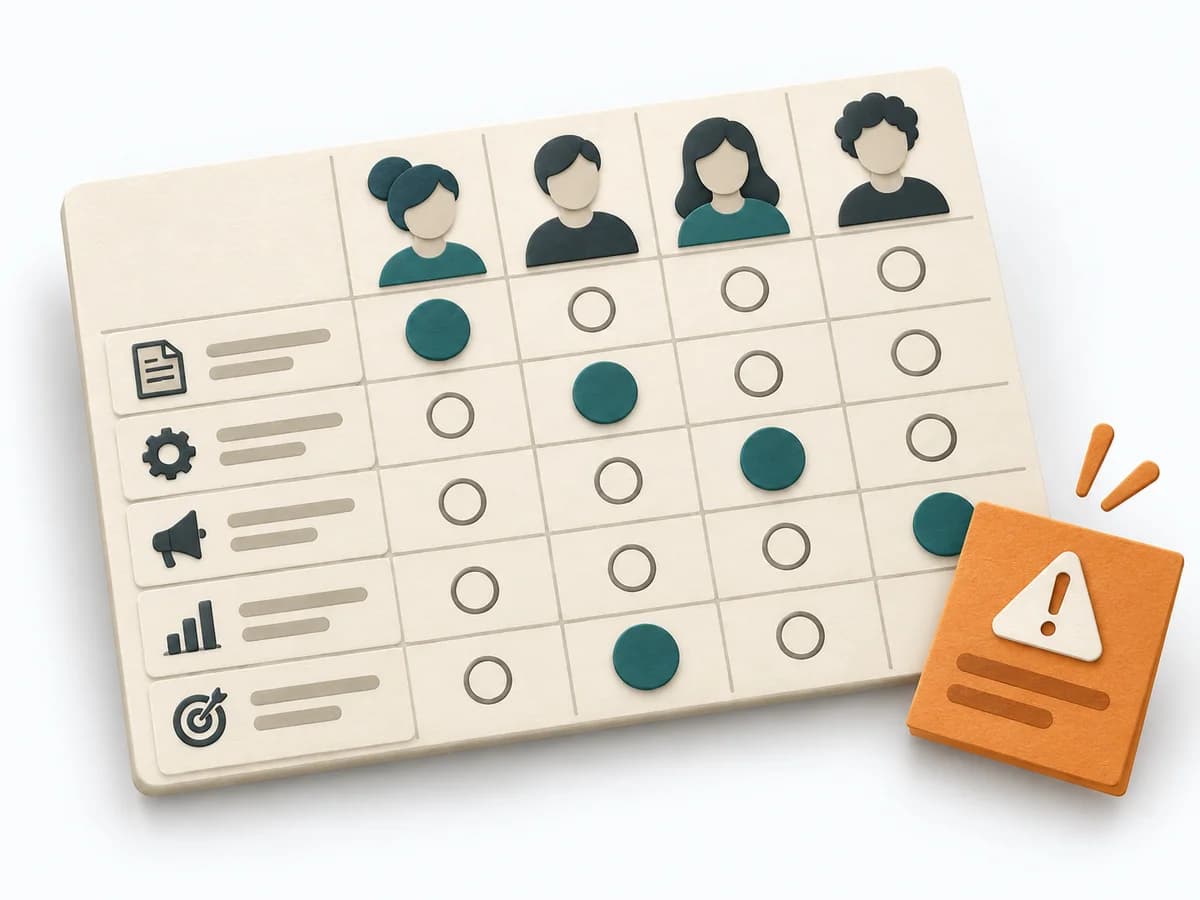 Operations RACI Matrix |  Business Strategy McKinsey 7S |
|---|---|---|---|---|
Purposedifferent | In change initiatives, supporting and restraining forces sit at the table at the same time. Force Field Analysis makes these tensions explicit and shows where change can be pushed forward by strengthening or relieving. | In cross-functional decisions, responsibilities quickly blur between approval, influence, and execution. DACI arranges these roles so decision pressure, contribution, and information stay cleanly separated. | With unclear responsibilities across several roles or areas, the method creates unambiguous accountability logic. It reduces friction because decision, execution, contribution, and information become separately visible. | McKinsey 7S checks whether Strategy, Structure, Systems, Shared Values, Skills, Style, and Staff fit together. Organizational misalignments become visible across multiple levers as a result. |
Complexitydifferent | Low | Low | Low | Medium |
Timedifferent | 45-90 min | 30-60 min | 45-90 min | 2-4 h |
Participantsdifferent | 3-12 | 2-10 | 2-8 | 3-12 |
Formatdifferent | Workshop | Workshop + async | Workshop + async | Workshop |
Outputdifferent | Force Field Map, Change Levers, Risk Notes | DACI Matrix, Decision Owner, Decision Log | RACI Matrix, Responsibility Map, Decision Notes | 7S Assessment, Alignment Gaps, Change Actions |
Tagsno overlap | ChangeDecisionStrategy | DecisionRolesGovernanceAlignment | RolesResponsibilityGovernanceOperations | OrganizationStrategyAlignmentChange |