View methods side by side.
Choose up to four methods. Add them using the search and share the comparison by copying its link.
| Criterion | 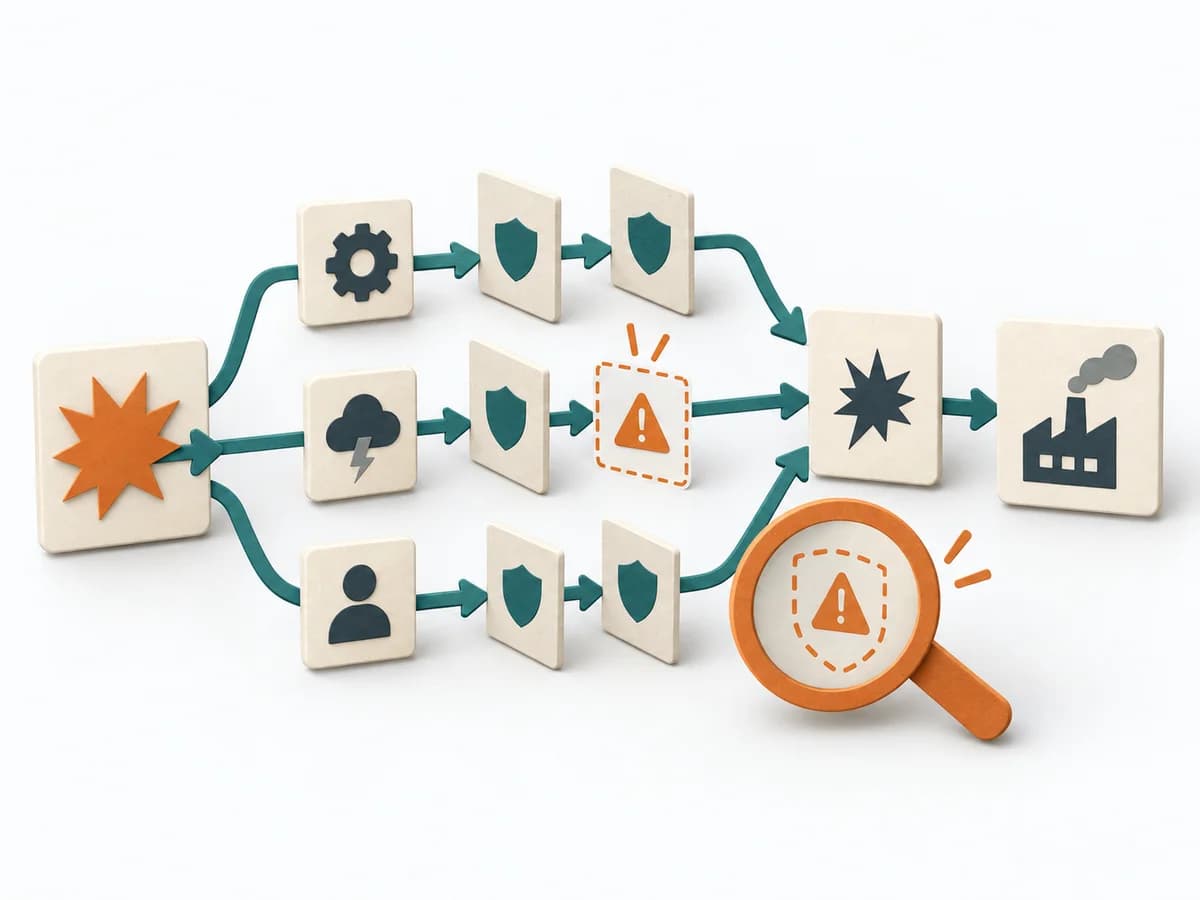 Engineering Failure Scenario Analysis | 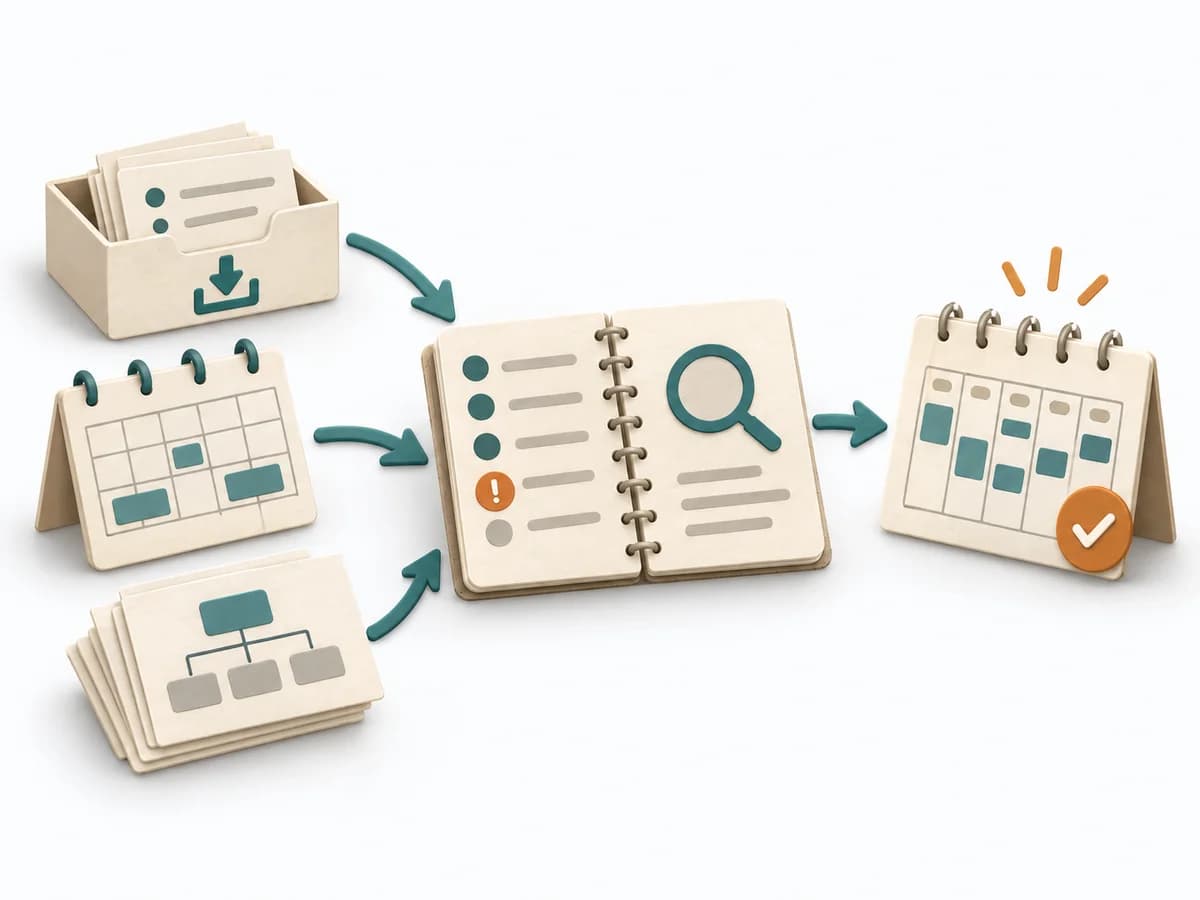 Operations Weekly Review | 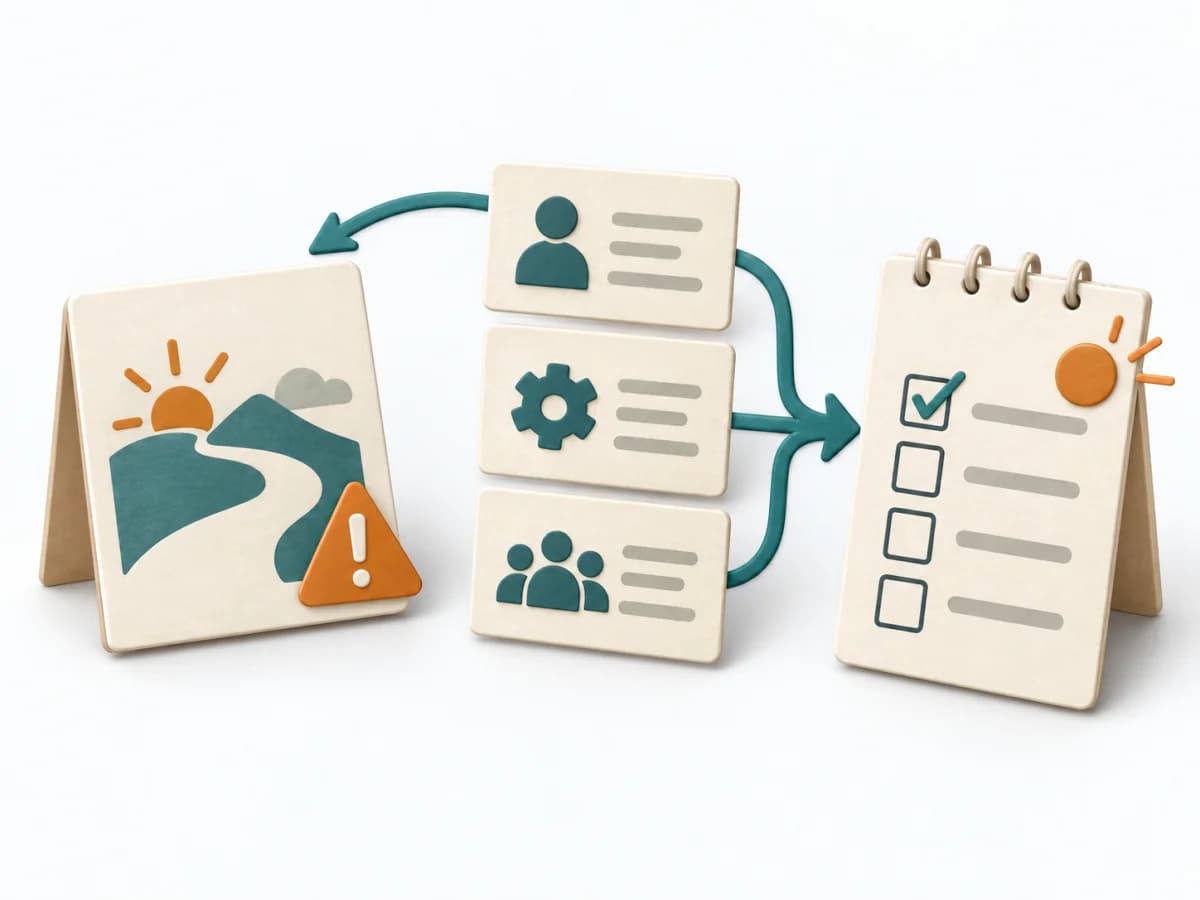 Decision Making Pre-Mortem | 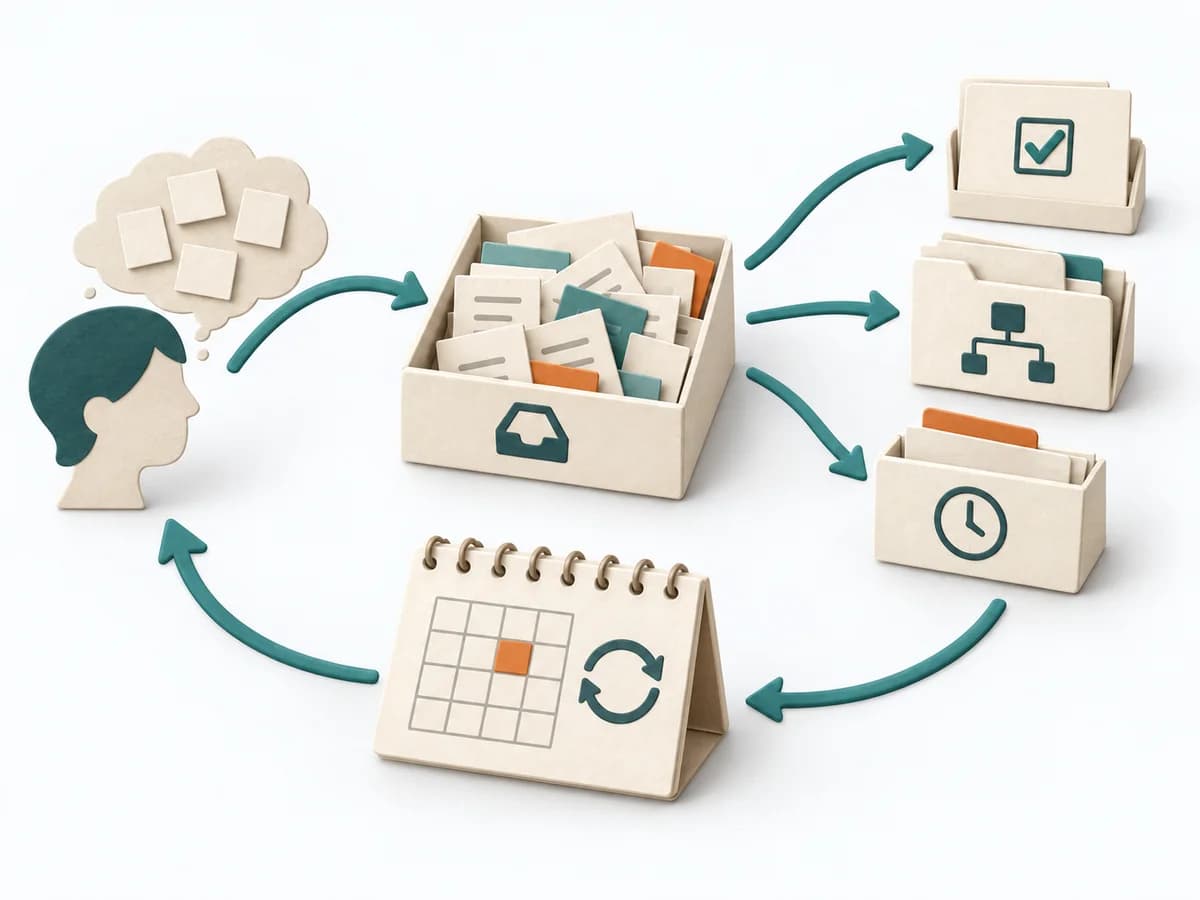 Operations Getting Things Done |
|---|---|---|---|---|
Purposedifferent | In critical processes, it is not enough to plan only for the normal case. Failure Scenario Analysis looks at the path into failure and shows which failures, chains, and control gaps cause the most damage. | In a week with many open loops, the method creates distance from operational noise. It organizes commitments, calendar, and projects so the next week becomes workable. | In early initiatives with many uncertainties, planning quickly turns too optimistic. A pre-mortem makes the expected failure visible in advance and sharpens the view of causes, gaps, and countermeasures. | With many open commitments and ideas in daily life, a reliable external storage system emerges. The method relieves the mind so priority and context don't have to compete in memory. |
Complexitydifferent | Medium | Low | Low | Medium |
Timedifferent | 1-3 h | 30-60 min | 20–45 min | 1-2 h Setup, laufend |
Participantsdifferent | 3-8 | 1 | Small cross-functional group | 1 |
Formatdifferent | Workshop | Async | Workshop | Async |
Outputdifferent | Failure Scenarios, Risk Notes, Control Gaps, Test and Response Actions | Updated Task System, Weekly Focus, Next Actions | Risk list, Mitigation plan, Assumption log | Action Lists, Project List, Review Routine |
Tagsno overlap | FailureResilienceRisk | ProductivityExecutionPlanning | RiskDecisionFailurePlanning | ProductivityPlanningTasksExecution |