View methods side by side.
Choose up to four methods. Add them using the search and share the comparison by copying its link.
| Criterion | 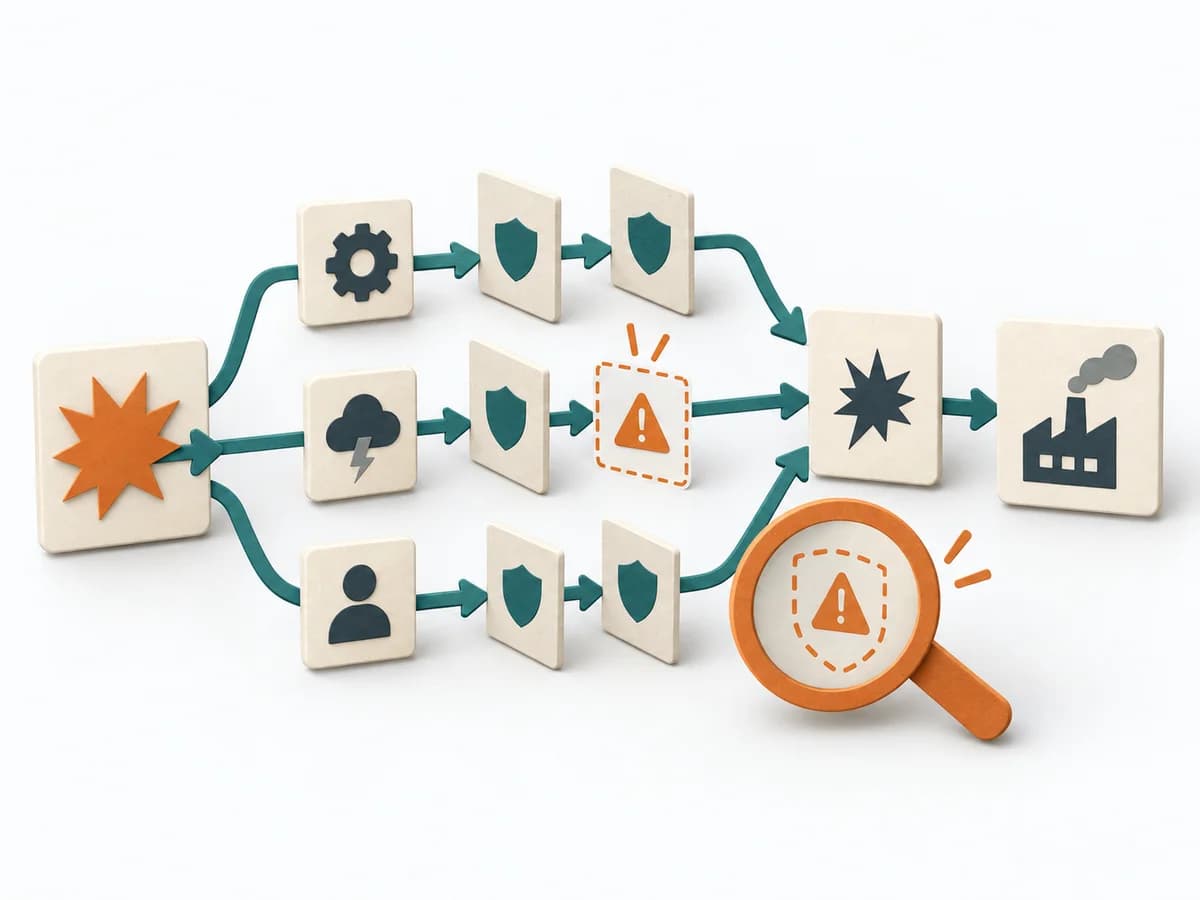 Engineering Failure Scenario Analysis | 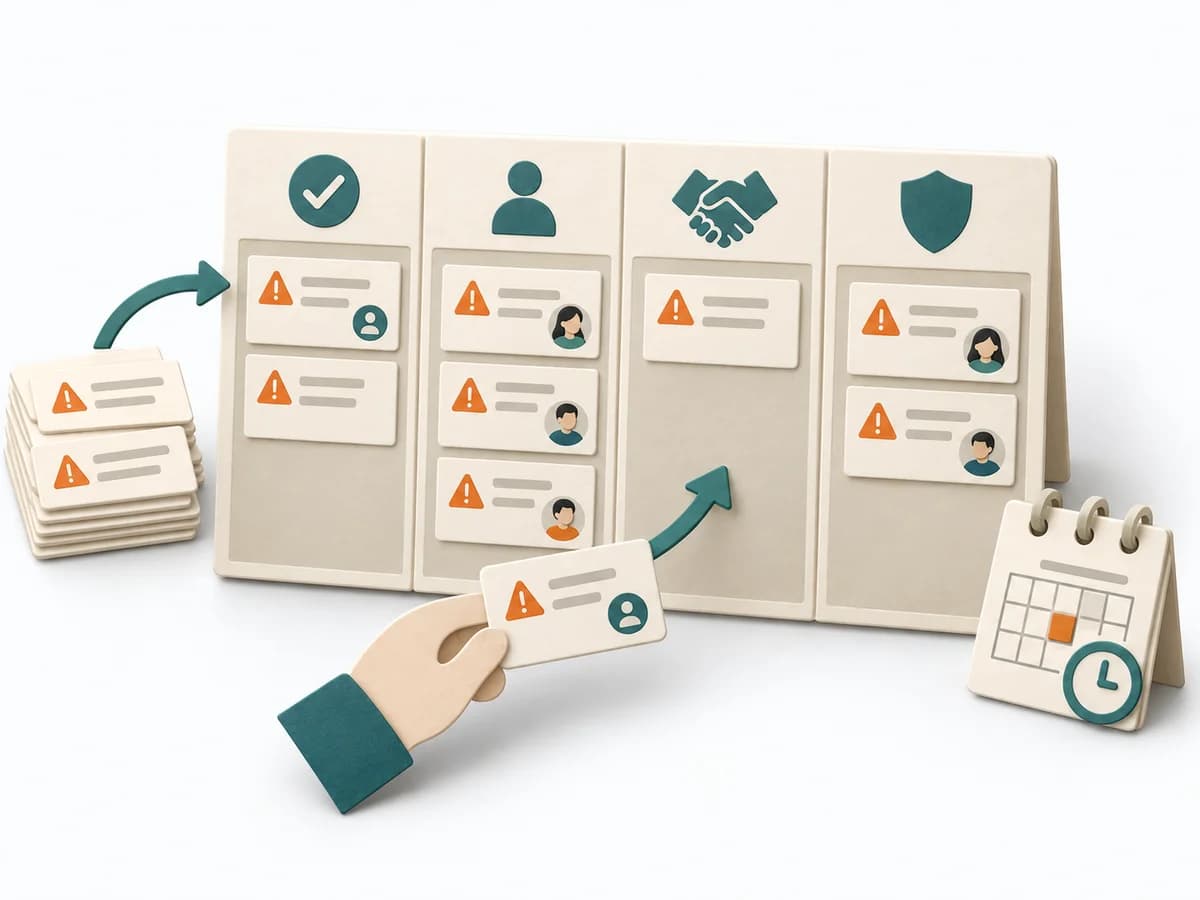 Agile ROAM Board | 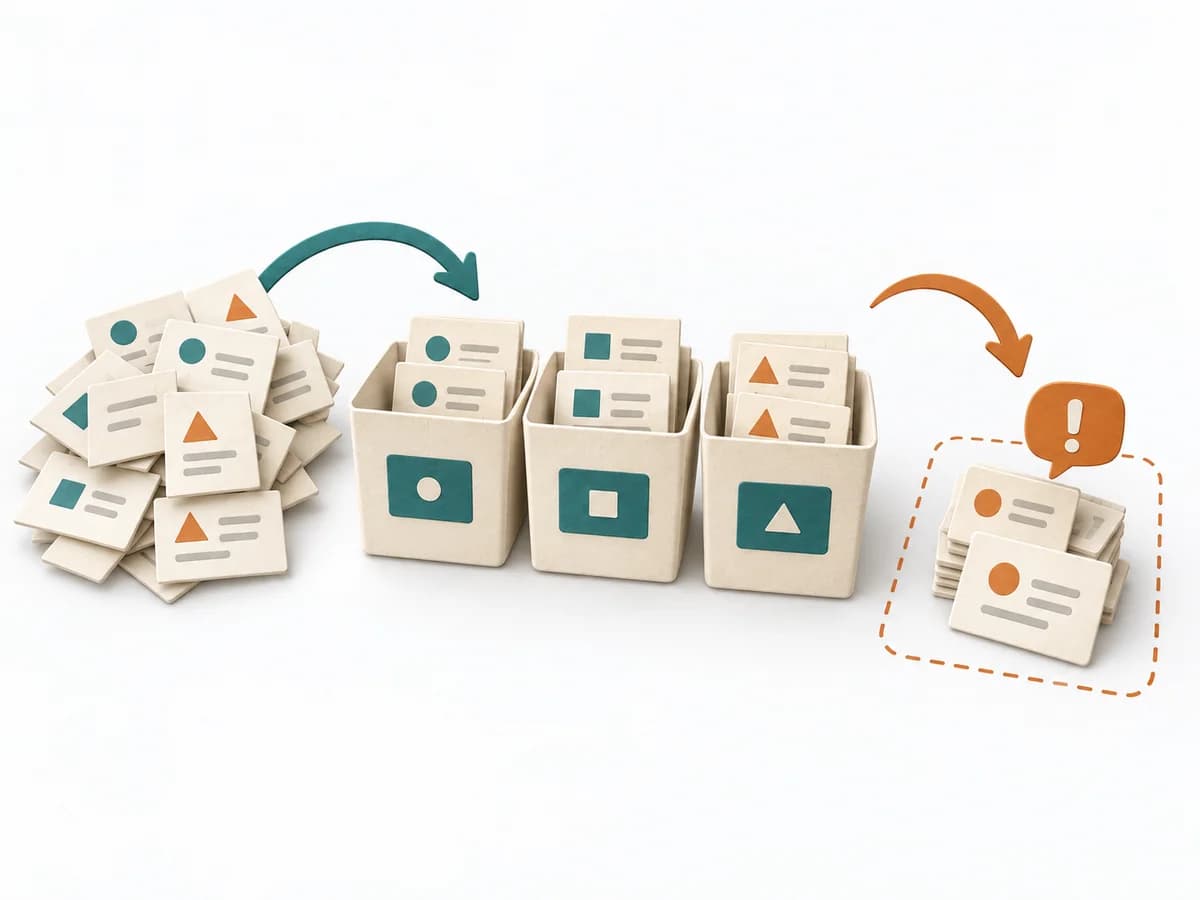 Agile Bucket System | 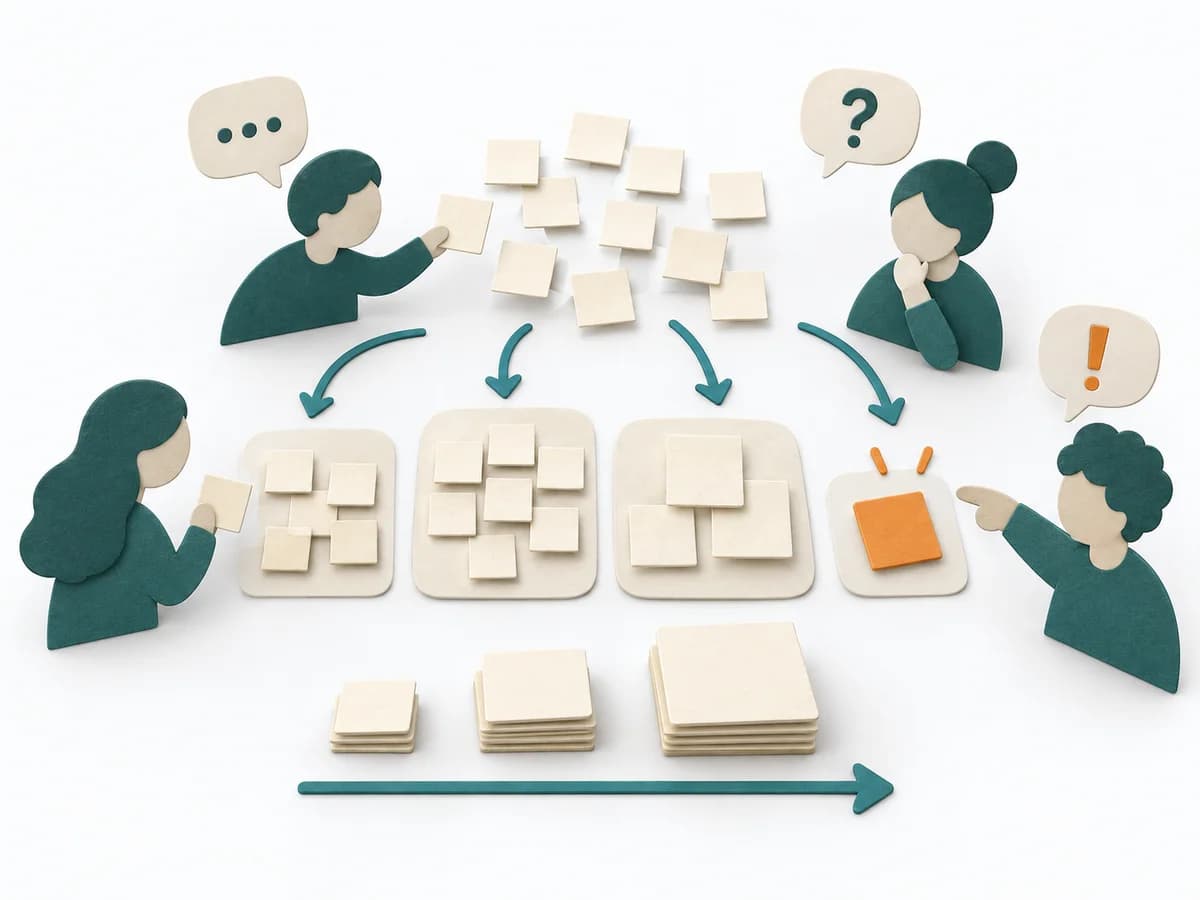 Agile Affinity Estimation |
|---|---|---|---|---|
Purposedifferent | In critical processes, it is not enough to plan only for the normal case. Failure Scenario Analysis looks at the path into failure and shows which failures, chains, and control gaps cause the most damage. | When work needs to move between different states or columns, it makes that movement and its handoffs legible. It sorts work by value, risk, and delivery ability. The result is captured as a ROAM Board and an Owner List. | When a large batch of work needs a fast, rough estimate, it sorts items into predefined size buckets. It sorts work by value, risk, and delivery ability. The result is captured as a Bucketed Backlog, Relative Estimates, and Split Candidates. | When many tasks need to be classified quickly, it sorts them by perceived effort and similarity. It reduces the effort of fine-grained estimation for large volumes. |
Complexitydifferent | Medium | Low | Medium | Medium |
Timedifferent | 1-3 h | 20-40 min initial, dann laufend | 30-90 min | 30-90 min |
Participantsdifferent | 3-8 | 3-15 | 3-12 | 3-12 |
Formatdifferent | Workshop | Workshop + async | Workshop | Workshop |
Outputdifferent | Failure Scenarios, Risk Notes, Control Gaps, Test and Response Actions | ROAM Board, Owner List | Bucketed Backlog, Relative Estimates, Split Candidates | Affinity Size Map, Grouped Estimates, Unclear Items |
Tagsno overlap | FailureResilienceRisk | RiskAgileTrackingAlignment | EstimationBacklogRelative sizing | EstimationBacklogRelative sizing |