View methods side by side.
Choose up to four methods. Add them using the search and share the comparison by copying its link.
| Criterion | 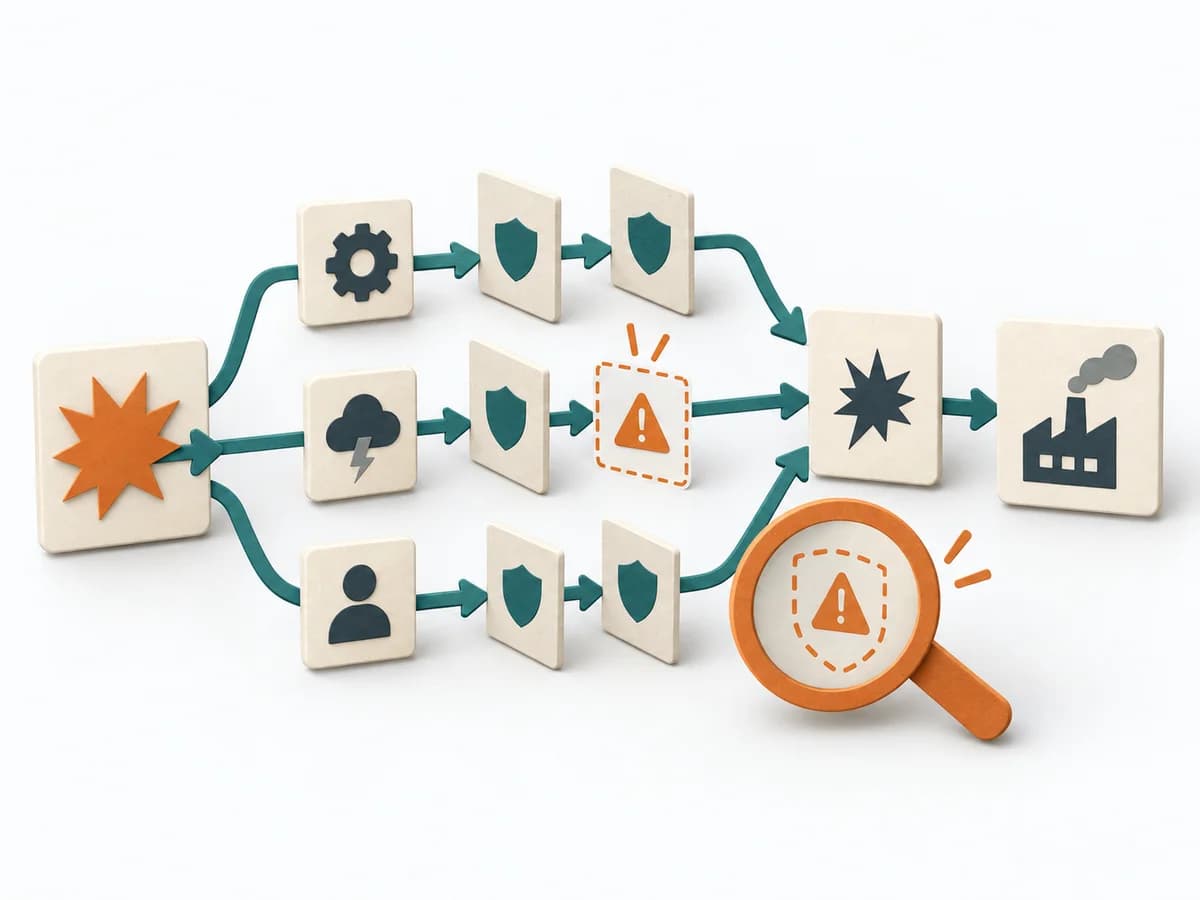 Engineering Failure Scenario Analysis | 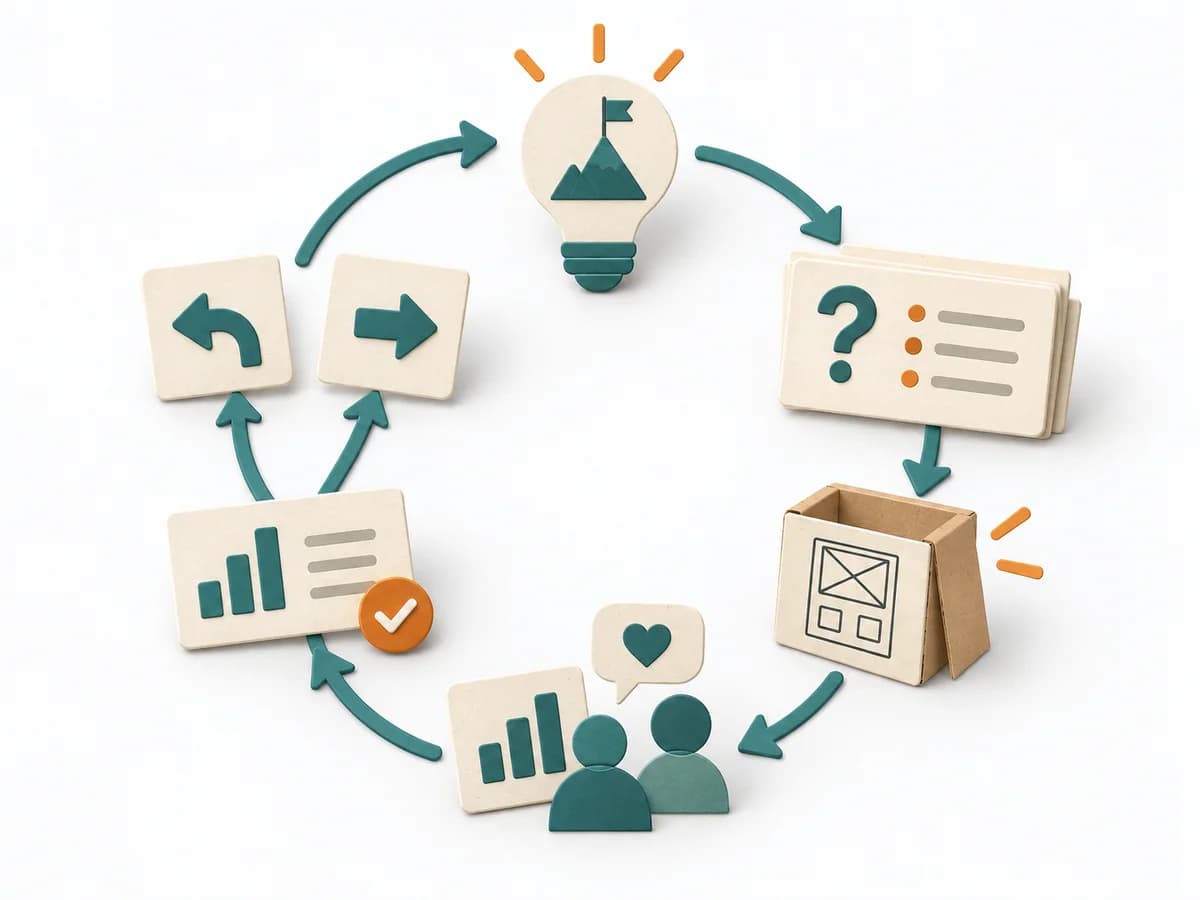 Innovation Lean Startup | 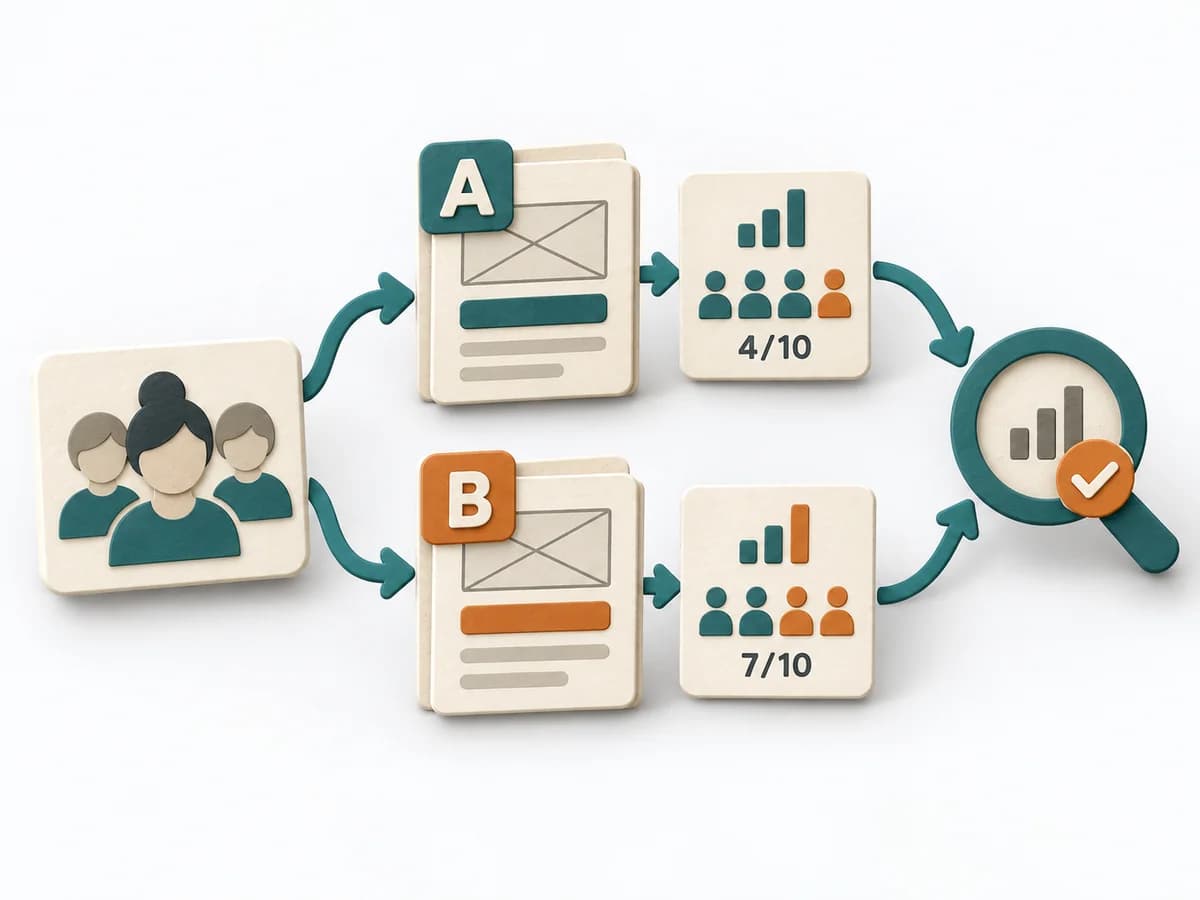 Growth A/B Testing |  Product Discovery Experiment Canvas |
|---|---|---|---|---|
Purposedifferent | In critical processes, it is not enough to plan only for the normal case. Failure Scenario Analysis looks at the path into failure and shows which failures, chains, and control gaps cause the most damage. | For uncertain business assumptions, the method forces the idea into contact with real market reactions early. It separates wishful picture, assumption, and observable behavior, so that learning becomes faster than planning. This translates uncertainty into measurable insight. | When two variants compete, discussions quickly decide by taste rather than effect. A/B Testing checks behavior under controlled conditions and separates real improvement from chance or expectation effects. | When experiments become unreadable after the fact, it arranges hypothesis, signal, and learning goal on a single canvas. It separates problem, assumption, solution, and evidence. The result is captured as a Completed Experiment Canvas and a Success Metric. |
Complexitydifferent | Medium | Medium | High | Low |
Timedifferent | 1-3 h | Wochen bis Monate je Lernzyklus | 1-4 Wochen | 30-60 min |
Participantsdifferent | 3-8 | 2-8 | 1-6 | 1-5 |
Formatdifferent | Workshop | Workshop + async | Async | Workshop + async |
Outputdifferent | Failure Scenarios, Risk Notes, Control Gaps, Test and Response Actions | Hypothesis list, MVPs, Learning reports, Pivot or persevere decision | Experiment results, Decision log, Learning summary | Completed Experiment Canvas, Success Metric |
Tagsno overlap | FailureResilienceRisk | LeanStartupValidationMVP | ExperimentsGrowthAnalyticsValidation | ExperimentsValidationDiscoveryHypothesis |