View methods side by side.
Choose up to four methods. Add them using the search and share the comparison by copying its link.
| Criterion | 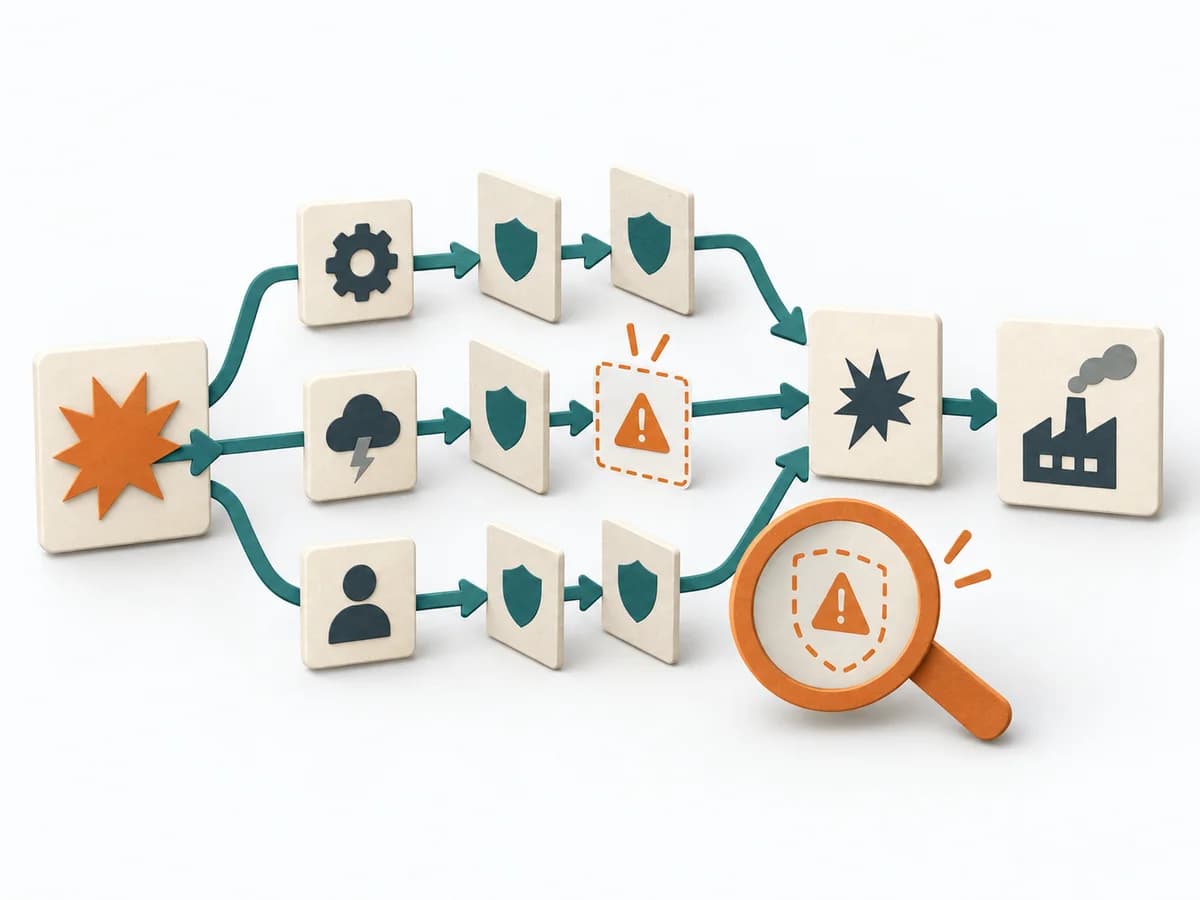 Engineering Failure Scenario Analysis |  Knowledge Modeling Knowledge Mapping | 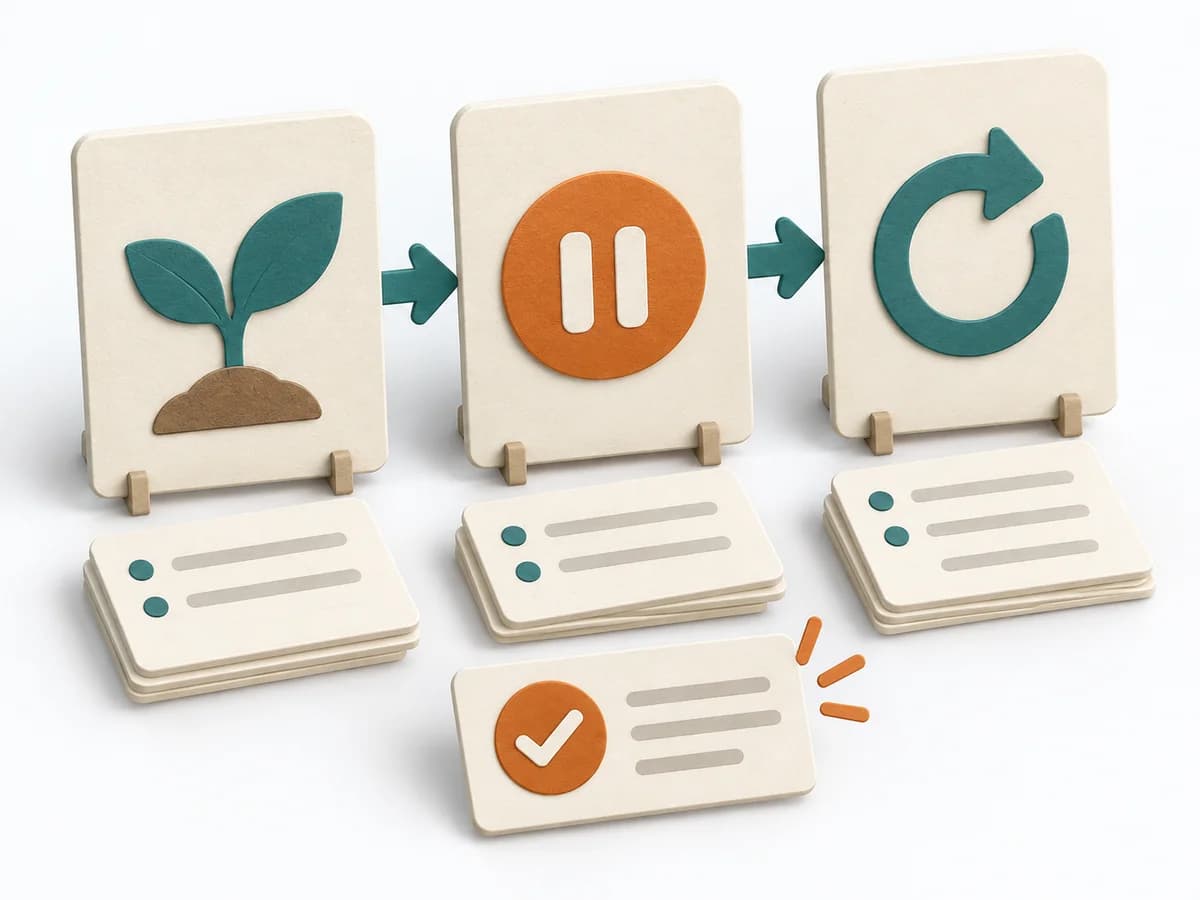 Agile Start Stop Continue | 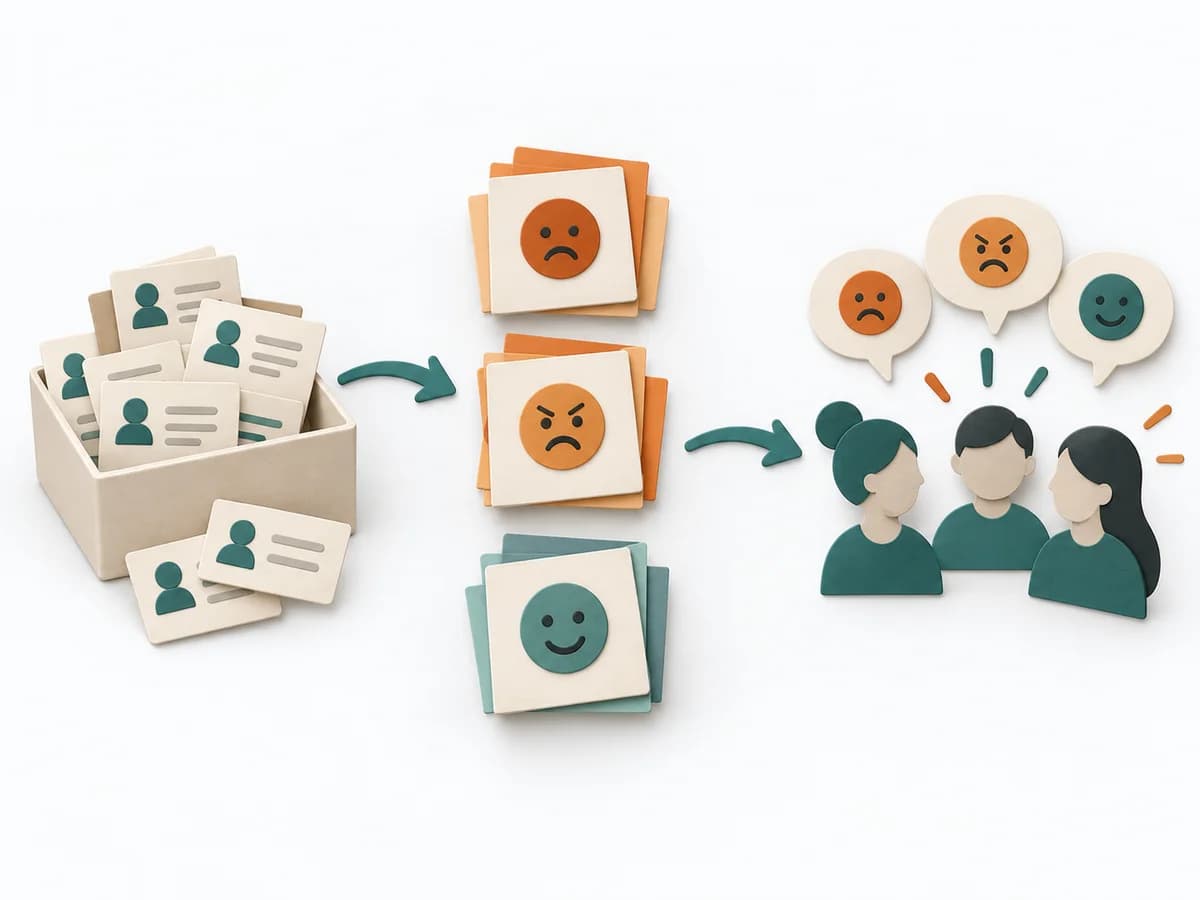 Agile Mad Sad Glad |
|---|---|---|---|---|
Purposedifferent | In critical processes, it is not enough to plan only for the normal case. Failure Scenario Analysis looks at the path into failure and shows which failures, chains, and control gaps cause the most damage. | Knowledge Mapping makes knowledge, gaps, and transfer paths visible across a field. It fits when expertise should not just exist but also be findable and transferable. | When a team wants to deliberately adjust its working behavior, it makes habits visible and assessable. It focuses on concrete changes instead of diffuse mood. | When a team's or workshop's mood needs to become readable, it structures emotional signals with little setup. It makes strain, relief, and sources of energy tangible. |
Complexitydifferent | Medium | Medium | Low | Low |
Timedifferent | 1-3 h | 1-3 h | 30-60 min | 30-60 min |
Participantsdifferent | 3-8 | 3-12 | 3-12 | 3-10 |
Formatsame | Workshop | Workshop | Workshop | Workshop |
Outputdifferent | Failure Scenarios, Risk Notes, Control Gaps, Test and Response Actions | Knowledge Map, Critical Knowledge Areas, Transfer Plan | Start Stop Continue Board, Improvement Actions | Emotion Board, Themes, Action Items |
Tagsno overlap | FailureResilienceRisk | KnowledgeMappingRisk | RetrospectiveImprovementTeamReflection | RetrospectiveTeamReflection |