View methods side by side.
Choose up to four methods. Add them using the search and share the comparison by copying its link.
Selected:Failure Scenario AnalysisIncident CommandCausal Factor AnalysisFailure Mode and Effects Analysis
| Criterion | 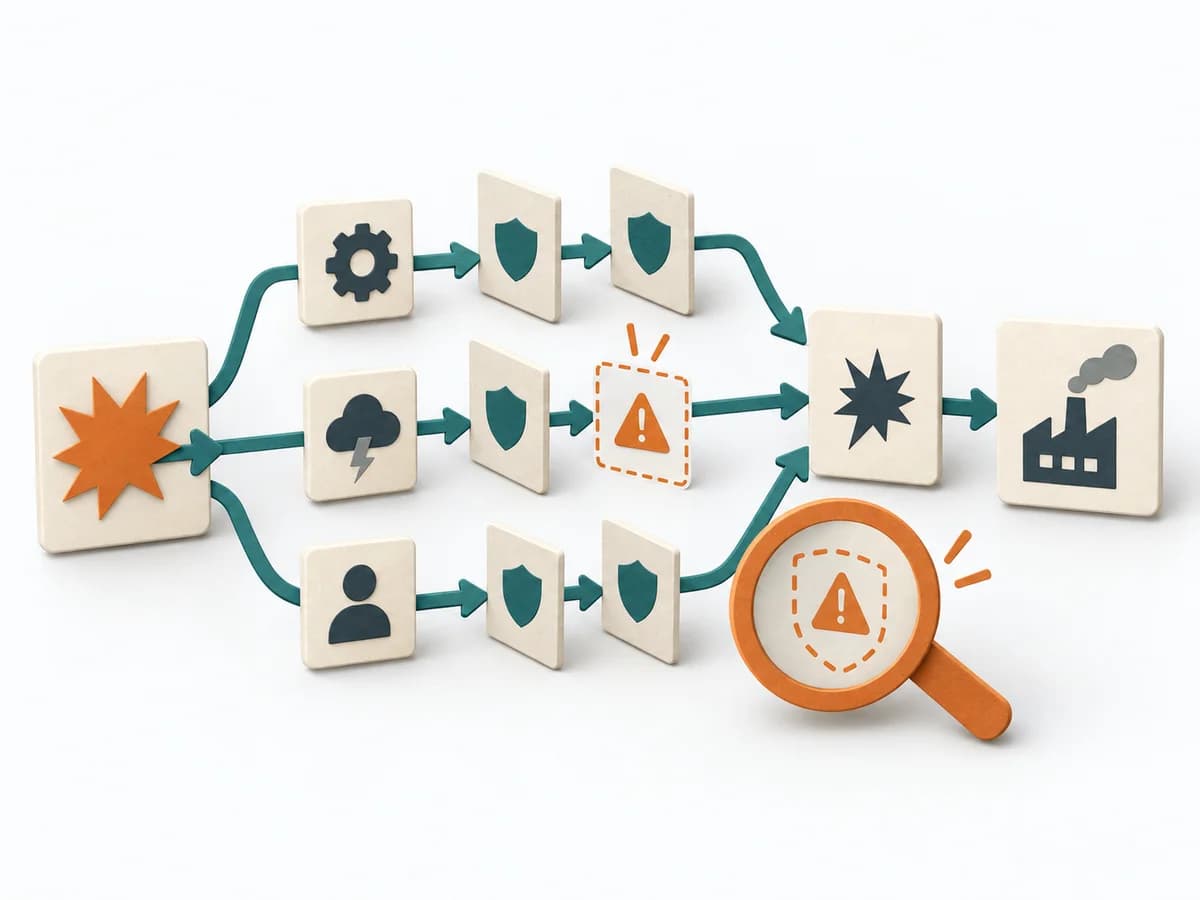 Engineering Failure Scenario Analysis | 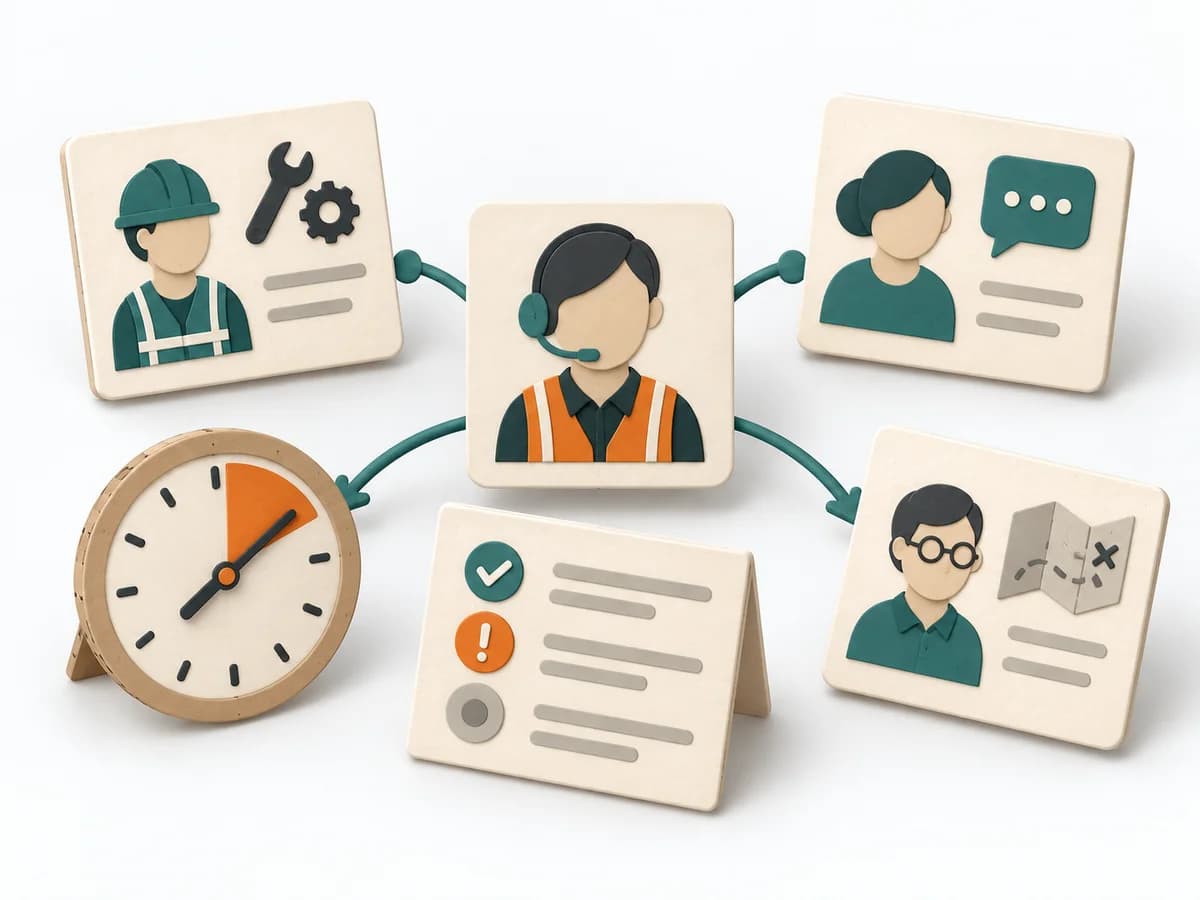 DevOps Incident Command | 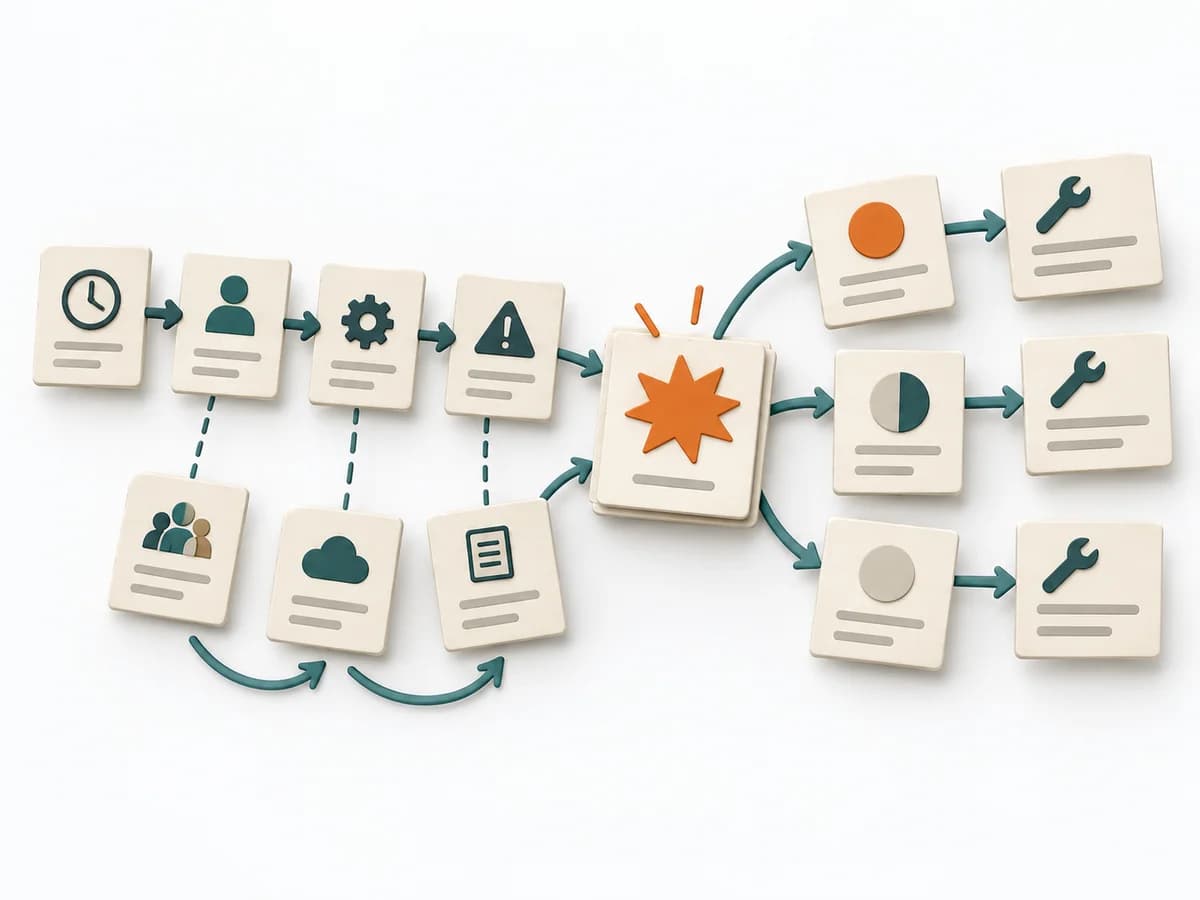 Operations Causal Factor Analysis |  Operations Failure Mode and Effects Analysis |
|---|---|---|---|---|
Purposedifferent | In critical processes, it is not enough to plan only for the normal case. Failure Scenario Analysis looks at the path into failure and shows which failures, chains, and control gaps cause the most damage. | During an acute incident with several people involved, the method creates a clear leadership and communication structure. It reduces chaos when fast coordination and clean situational awareness are both needed at once. | For an event with a complicated course, the method breaks down the contributing factors along the timeline. It shows how conditions, decisions, and reactions together produce a course of events. | For a process, product, or service with noticeable failure risks, the method assesses possible failure modes in advance. It directs attention to combinations of occurrence, effect, and detectability. |
Complexitydifferent | Medium | Medium | High | High |
Timedifferent | 1-3 h | As needed | 2-6 h | 2-6 h |
Participantsdifferent | 3-8 | 4-15 | 3-10 | 3-10 |
Formatdifferent | Workshop | Workshop + async | Workshop + async | Workshop |
Outputdifferent | Failure Scenarios, Risk Notes, Control Gaps, Test and Response Actions | Incident Log, Action Tracker, Stakeholder Updates | Event Timeline, Causal Factor Chart, Cause List, Corrective Actions | FMEA Table, Risk Priority, Mitigation Actions |
Tagsno overlap | FailureResilienceRisk | IncidentOperationsReliability | CausalityIncidentRoot causeTimeline | RiskQualityOperationsRoot cause |