View methods side by side.
Choose up to four methods. Add them using the search and share the comparison by copying its link.
| Criterion | 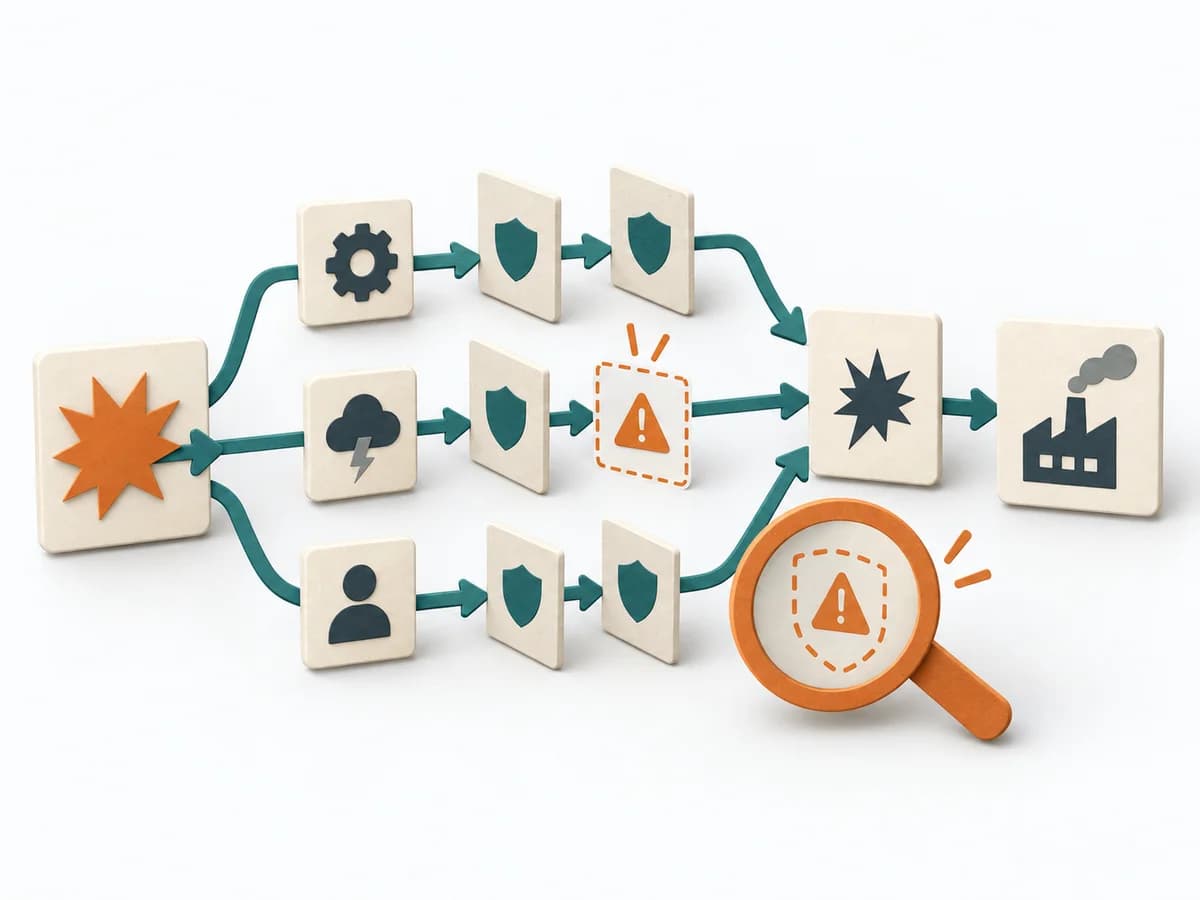 Engineering Failure Scenario Analysis |  DevOps Game Day | 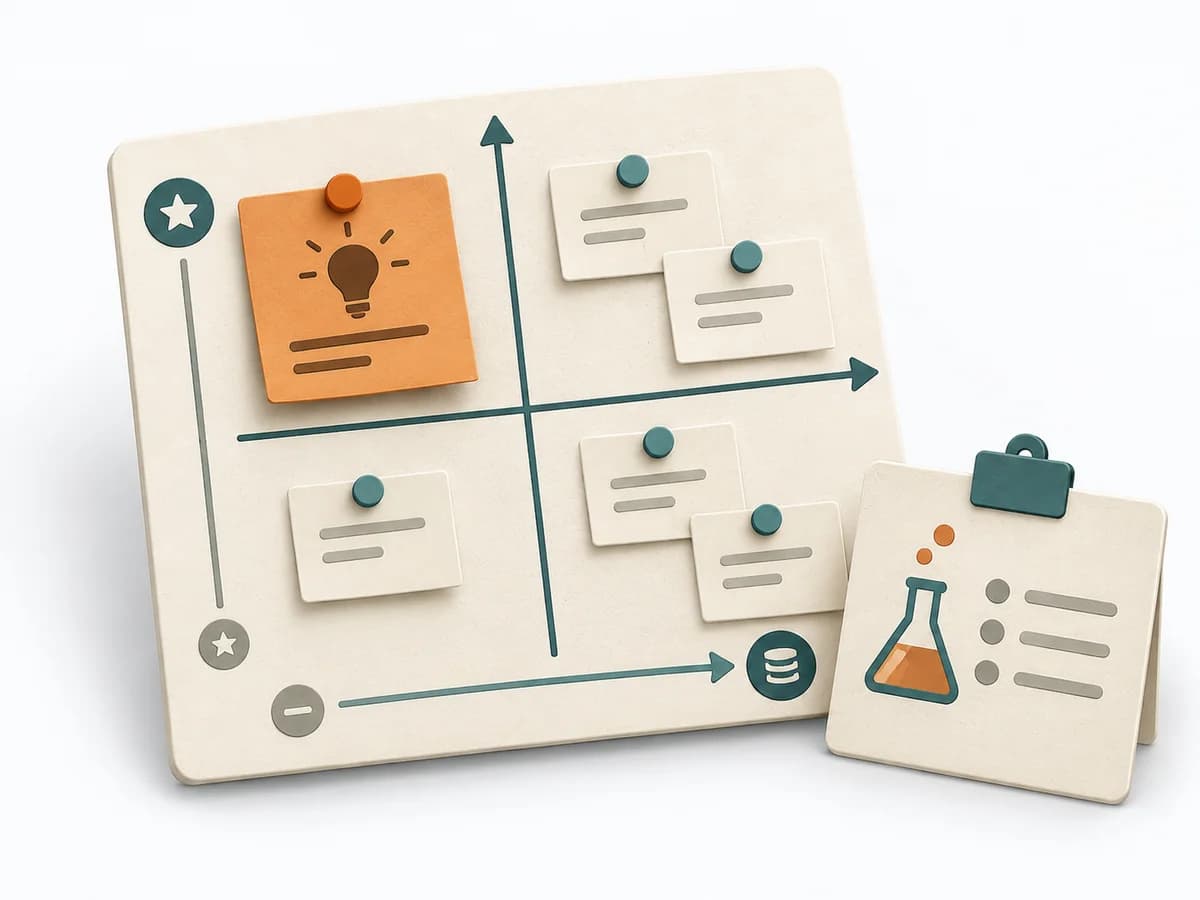 Product Discovery Assumption Mapping | 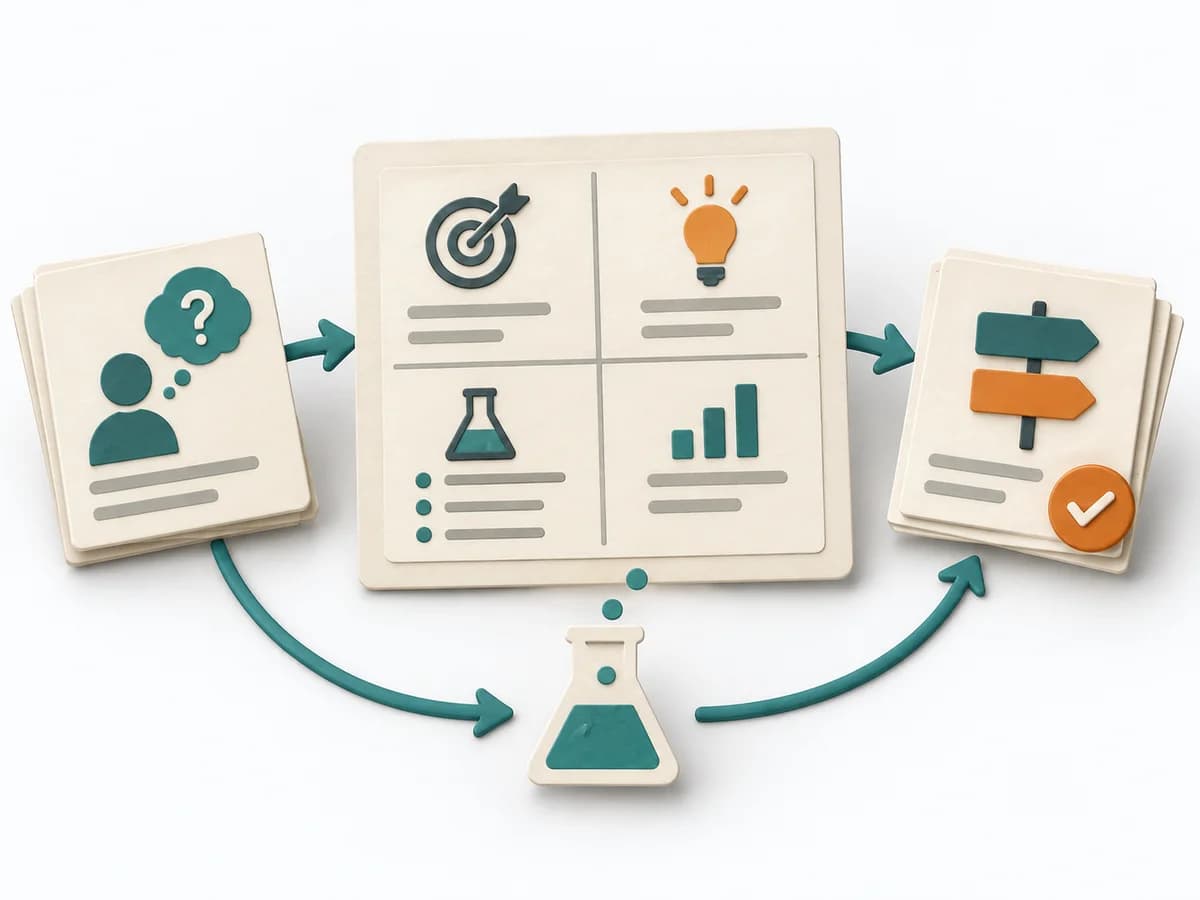 Product Discovery Experiment Canvas |
|---|---|---|---|---|
Purposedifferent | In critical processes, it is not enough to plan only for the normal case. Failure Scenario Analysis looks at the path into failure and shows which failures, chains, and control gaps cause the most damage. | In preparing for rare incidents, the method tests response capability under controlled conditions. It shows where assumptions about stability, roles, and recovery are too optimistic. | When assumptions still sit unordered in the room, it weighs uncertainty against leverage. It makes visible which hypotheses should be checked first. | When experiments become unreadable after the fact, it arranges hypothesis, signal, and learning goal on a single canvas. It separates problem, assumption, solution, and evidence. The result is captured as a Completed Experiment Canvas and a Success Metric. |
Complexitydifferent | Medium | High | Medium | Low |
Timedifferent | 1-3 h | Halber Tag | 45-60 min | 30-60 min |
Participantsdifferent | 3-8 | 5-20 | 2-8 | 1-5 |
Formatdifferent | Workshop | Workshop | Workshop + async | Workshop + async |
Outputdifferent | Failure Scenarios, Risk Notes, Control Gaps, Test and Response Actions | Simulation Notes, Gaps List, Updated Runbooks | Assumption map, Test backlog, Risk ranking | Completed Experiment Canvas, Success Metric |
Tagsno overlap | FailureResilienceRisk | ResilienceOperationsIncident | AssumptionsRiskExperimentsValidation | ExperimentsValidationDiscoveryHypothesis |