View methods side by side.
Choose up to four methods. Add them using the search and share the comparison by copying its link.
| Criterion |  Engineering Failure Scenario Analysis | 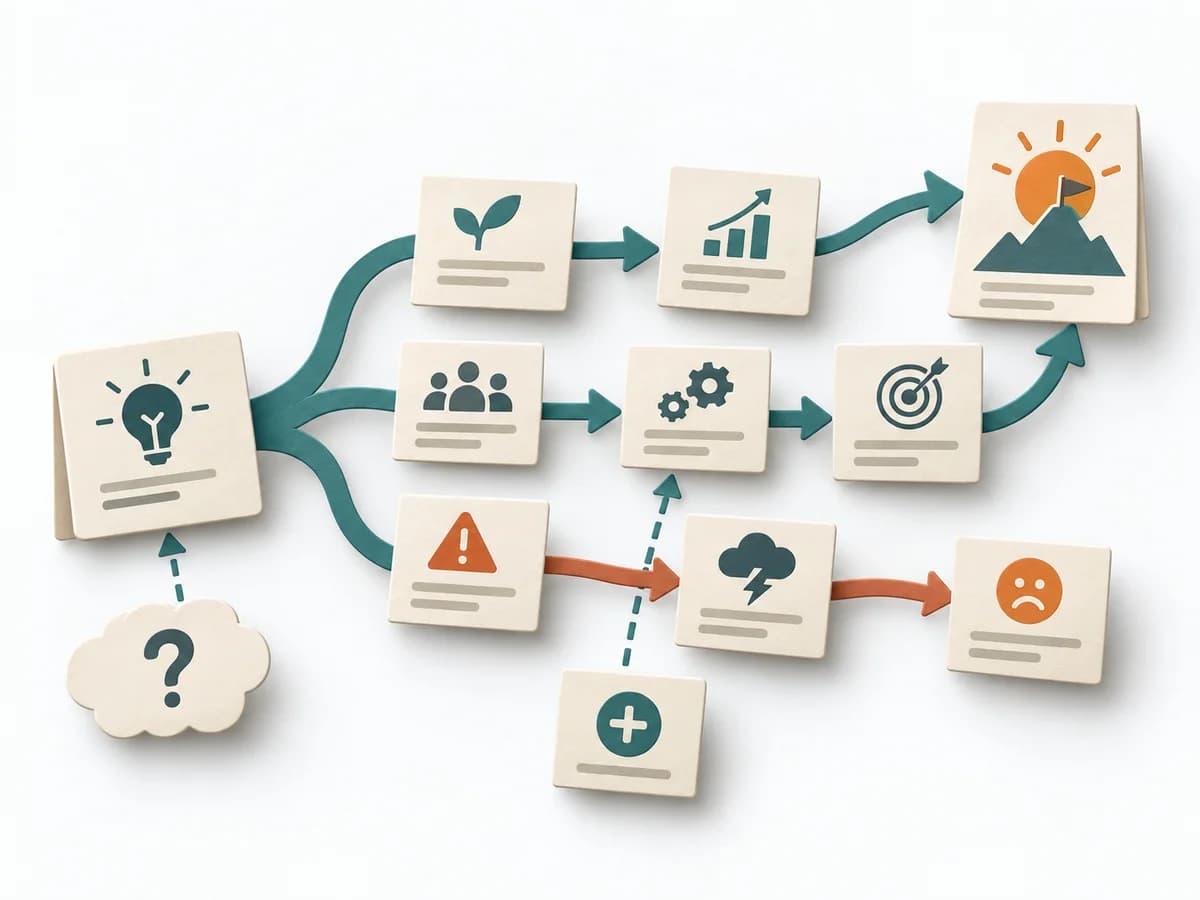 Systems Thinking Future Reality Tree |  Systems Thinking Leverage Points | 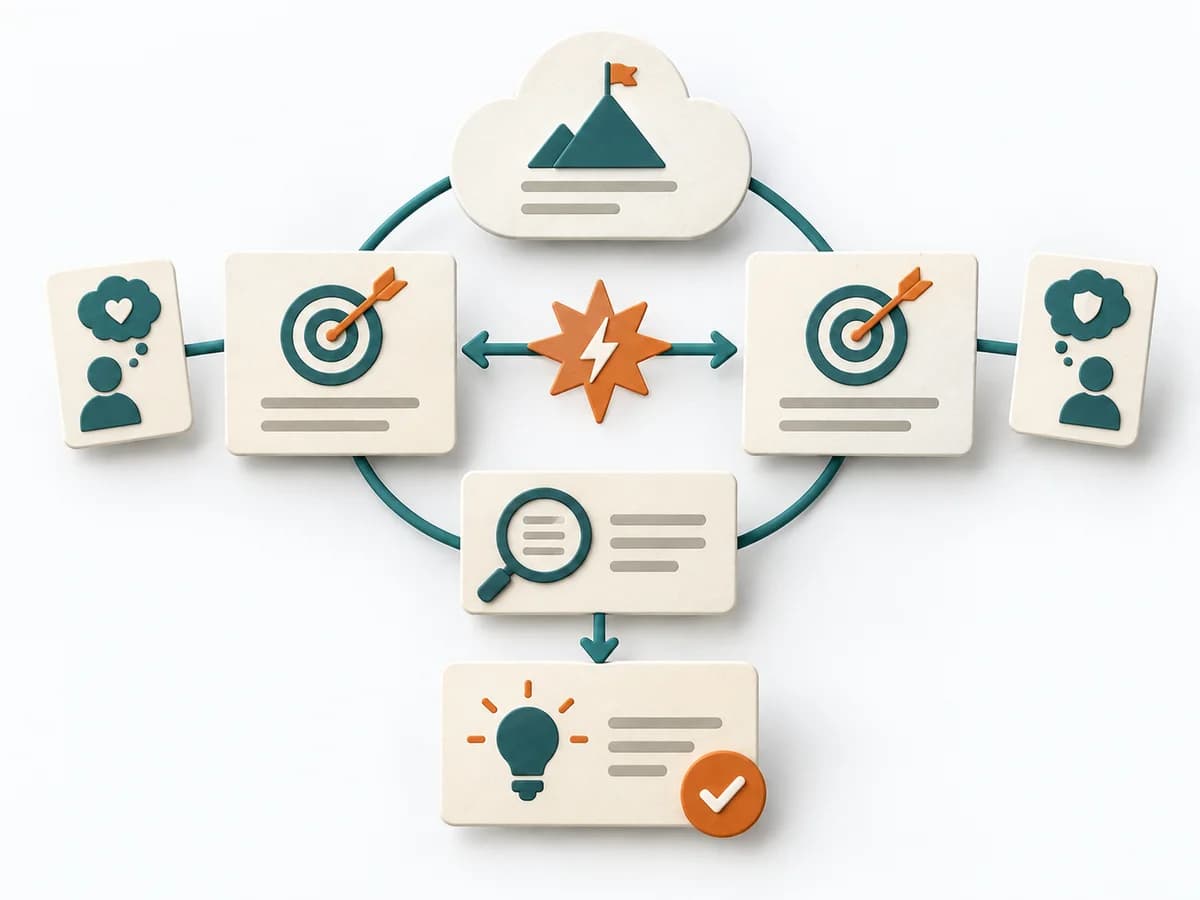 Systems Thinking Evaporating Cloud |
|---|---|---|---|---|
Purposedifferent | In critical processes, it is not enough to plan only for the normal case. Failure Scenario Analysis looks at the path into failure and shows which failures, chains, and control gaps cause the most damage. | A Future Reality Tree shows how desired actions are meant to lead to a better system state. The method checks whether a path of change holds together logically before time flows into implementation. | Leverage Points show exactly where interventions in a system produce a disproportionate effect. It draws relationships, patterns, and feedback loops. The result is captured as a leverage map and action strategy. | The method makes visible why two seemingly incompatible demands arise and which assumption must be tested to resolve the conflict. |
Complexitydifferent | Medium | High | High | Medium |
Timedifferent | 1-3 h | 2-4 h | Half day | 60-120 min |
Participantsdifferent | 3-8 | 3-8 | 3-12 | 2-8 |
Formatsame | Workshop | Workshop | Workshop | Workshop |
Outputdifferent | Failure Scenarios, Risk Notes, Control Gaps, Test and Response Actions | Future Reality Tree, Negative Branches, Assumption List, Improved Injections | Leverage Map, Action Strategy | Conflict Cloud, Assumption List, Breakthrough Ideas, Next Experiments |
Tagsno overlap | FailureResilienceRisk | Theory of ConstraintsSystems thinkingChange | Systems thinkingChangeStrategy | Theory of ConstraintsAssumptionsSystems thinking |