View methods side by side.
Choose up to four methods. Add them using the search and share the comparison by copying its link.
| Criterion | 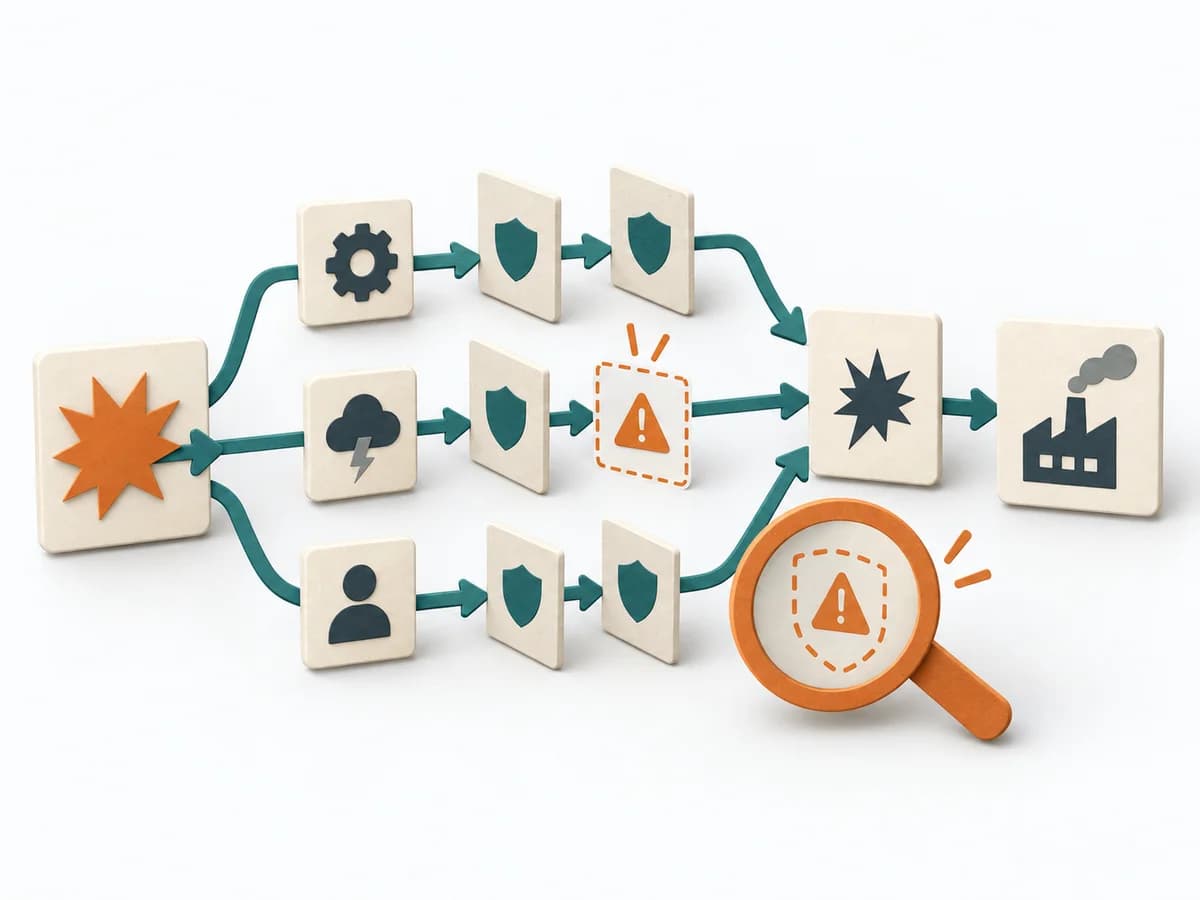 Engineering Failure Scenario Analysis |  Domain Modeling Context Map | 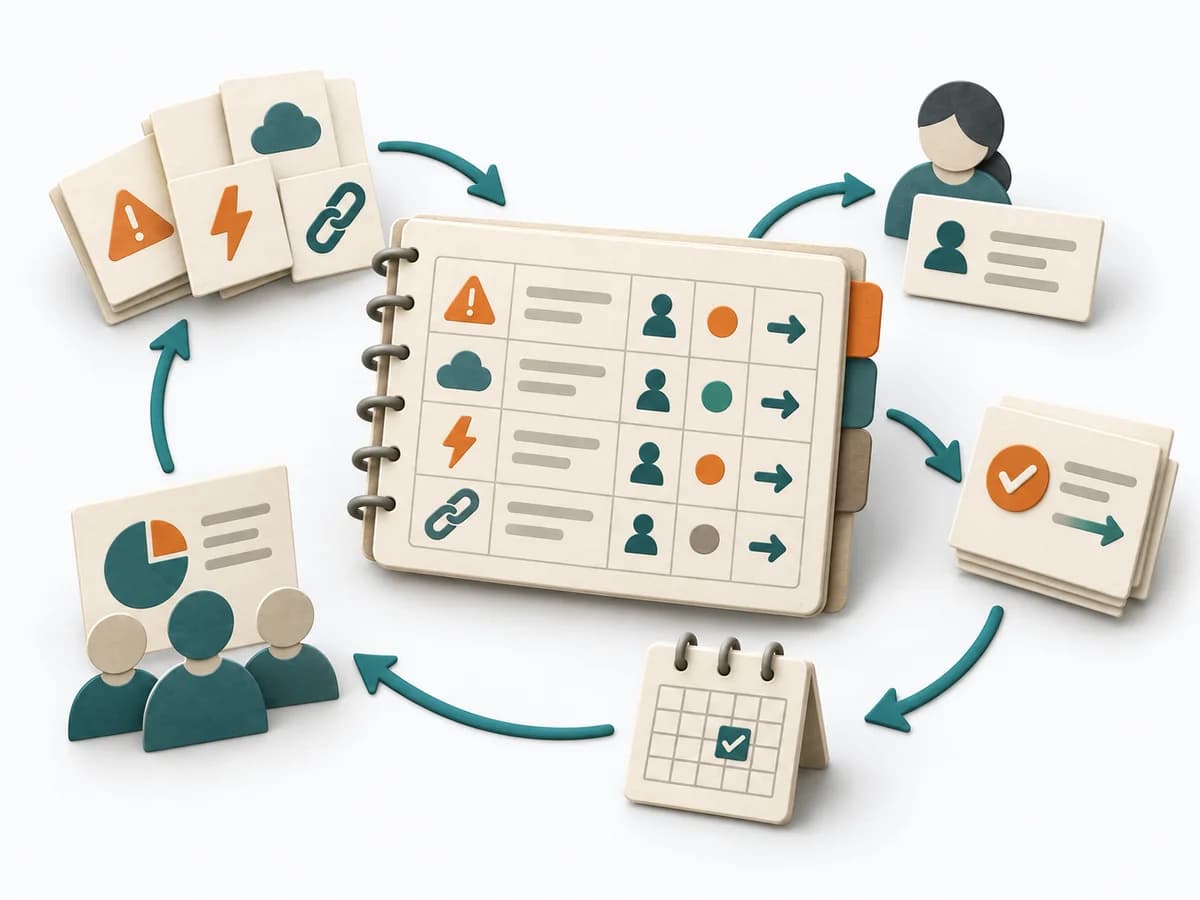 Delivery RAID Log |  Domain Modeling Bounded Context Canvas |
|---|---|---|---|---|
Purposedifferent | In critical processes, it is not enough to plan only for the normal case. Failure Scenario Analysis looks at the path into failure and shows which failures, chains, and control gaps cause the most damage. | When several contexts need to talk to each other, it makes their relationships and dependencies legible. It helps sort integration pressure and responsibilities across system boundaries. | Helps clarify scope, sequence, and delivery flow in concrete terms. It makes work, boundaries, and order steerable. The result is captured as a RAID Log and a source for status reporting. | When a business context is still loosely outlined, it shapes language, responsibility, and integration space. It clarifies what belongs together and where a boundary needs to hold. |
Complexitydifferent | Medium | Medium | Low | Medium |
Timedifferent | 1-3 h | 1-3 h | 30 min Setup, dann laufend | 1-3 h |
Participantsdifferent | 3-8 | 2-8 | 1-3 maintaining, briefing for everyone | 3-8 |
Formatdifferent | Workshop | Workshop + async | Async | Workshop + async |
Outputdifferent | Failure Scenarios, Risk Notes, Control Gaps, Test and Response Actions | Context Map, Integration Patterns, Boundary Notes | RAID Log, Status Report Source | Context Canvas, Glossary, Integration Notes |
Tagsno overlap | FailureResilienceRisk | Domain-Driven DesignBoundariesStrategy | RiskTrackingStakeholdersGovernance | Domain-Driven DesignBoundariesModeling |