View methods side by side.
Choose up to four methods. Add them using the search and share the comparison by copying its link.
| Criterion | 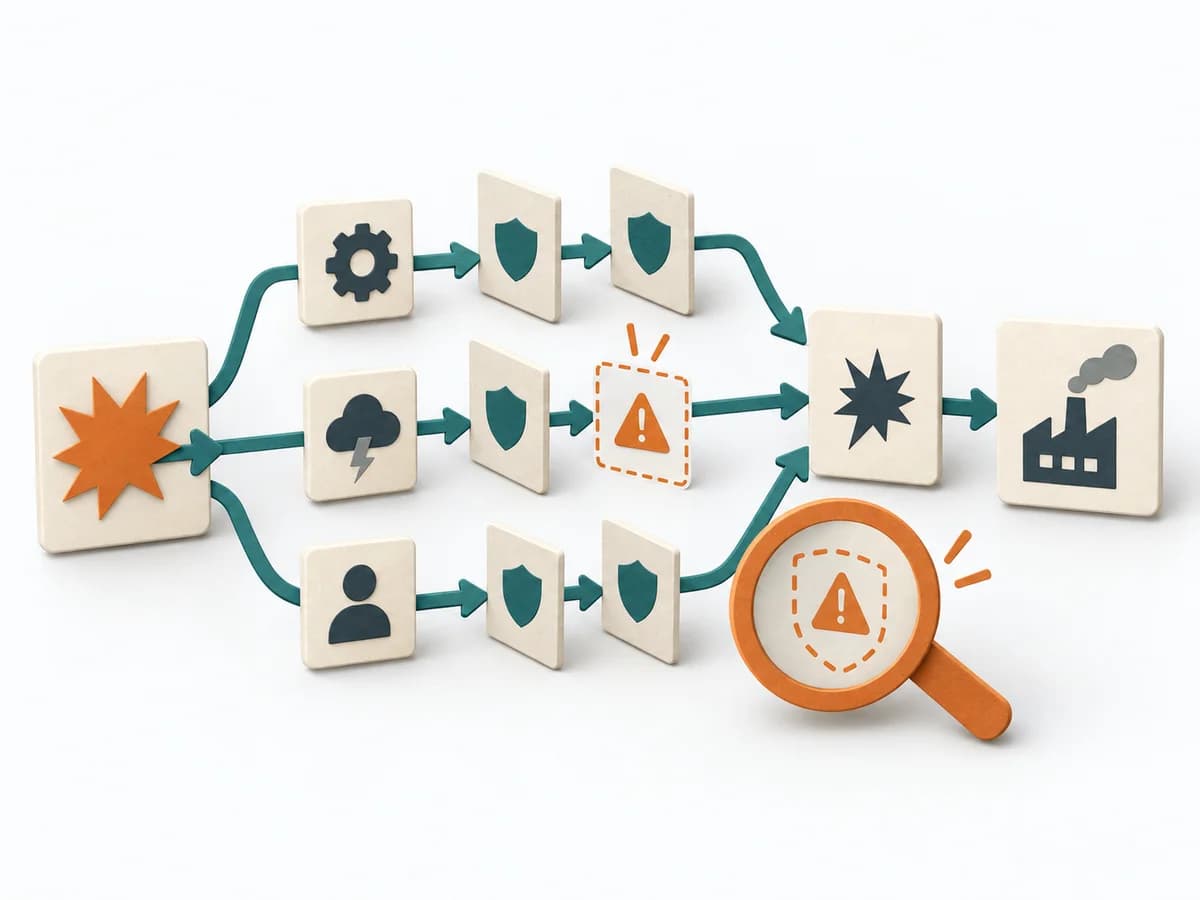 Engineering Failure Scenario Analysis | 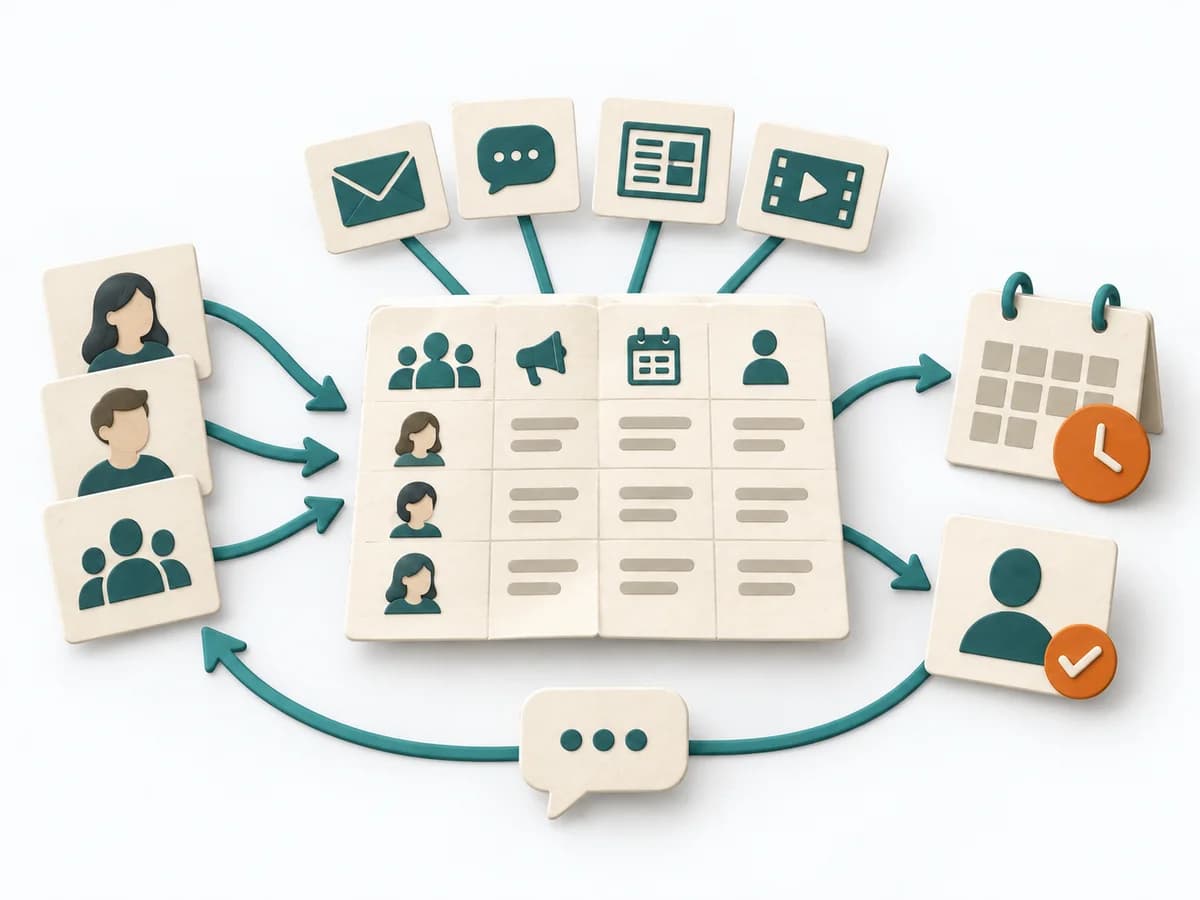 Delivery Communication Plan | 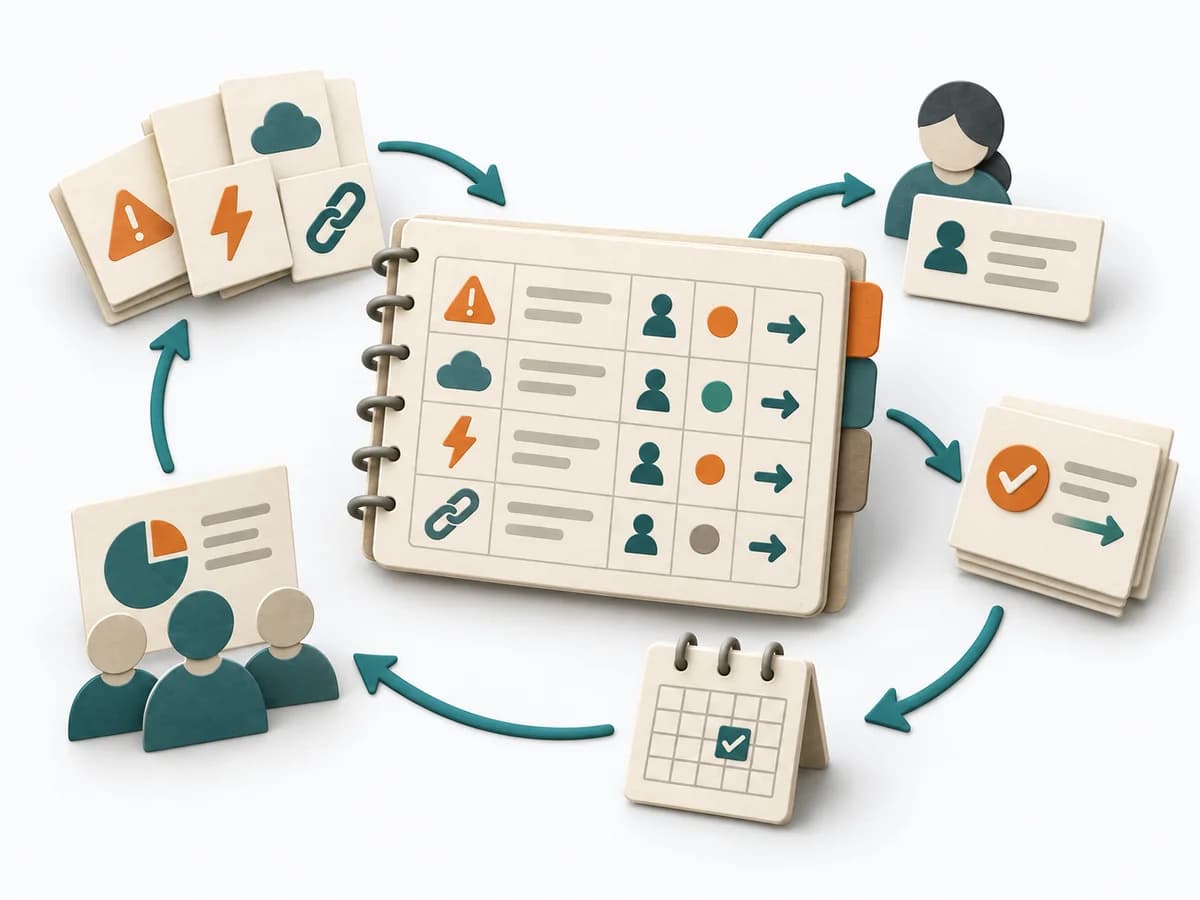 Delivery RAID Log |  Facilitation Power Interest Grid |
|---|---|---|---|---|
Purposedifferent | In critical processes, it is not enough to plan only for the normal case. Failure Scenario Analysis looks at the path into failure and shows which failures, chains, and control gaps cause the most damage. | When many people need to be informed in parallel and messages would otherwise arrive unevenly or too late, a Communication Plan orders communication reliably. Channels, audiences, and cadences interlock so important information doesn't get lost. | Helps clarify scope, sequence, and delivery flow in concrete terms. It makes work, boundaries, and order steerable. The result is captured as a RAID Log and a source for status reporting. | When many stakeholders compete for attention at once, the Power Interest Grid sorts them by influence and stake. It turns individual contributions into a visible selection. The result is captured as a Power Interest Grid and a stakeholder-specific strategy. |
Complexitydifferent | Medium | Low | Low | Low |
Timedifferent | 1-3 h | 45-90 min | 30 min Setup, dann laufend | 30-60 min |
Participantsdifferent | 3-8 | 2-6 | 1-3 maintaining, briefing for everyone | 2-8 |
Formatdifferent | Workshop | Workshop + async | Async | Workshop |
Outputdifferent | Failure Scenarios, Risk Notes, Control Gaps, Test and Response Actions | Communication Plan, Channel Matrix, Message Cadence | RAID Log, Status Report Source | Power Interest Grid, Strategy per Stakeholder |
Tagsno overlap | FailureResilienceRisk | CommunicationStakeholdersDeliveryPlanning | RiskTrackingStakeholdersGovernance | StakeholdersFacilitationAlignmentPlanning |