View methods side by side.
Choose up to four methods. Add them using the search and share the comparison by copying its link.
| Criterion | 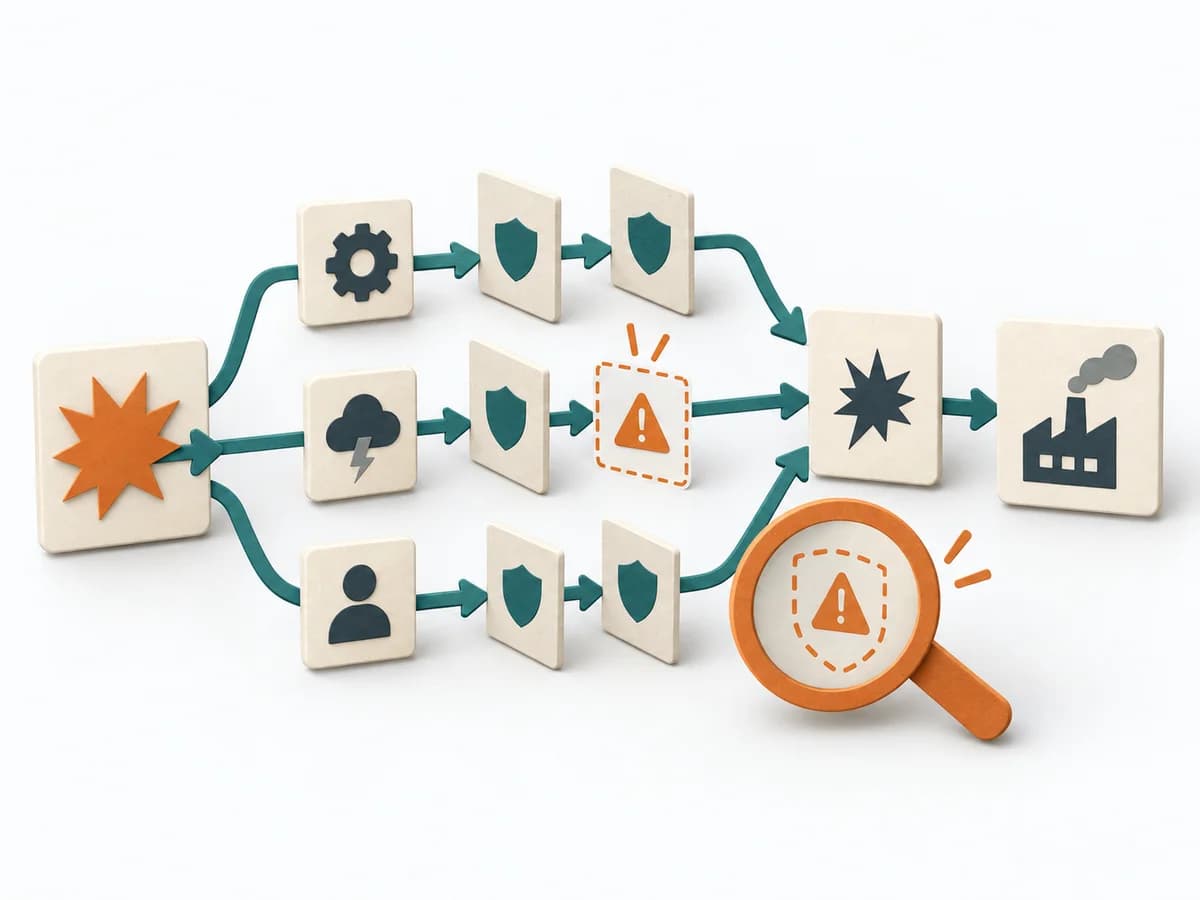 Engineering Failure Scenario Analysis | 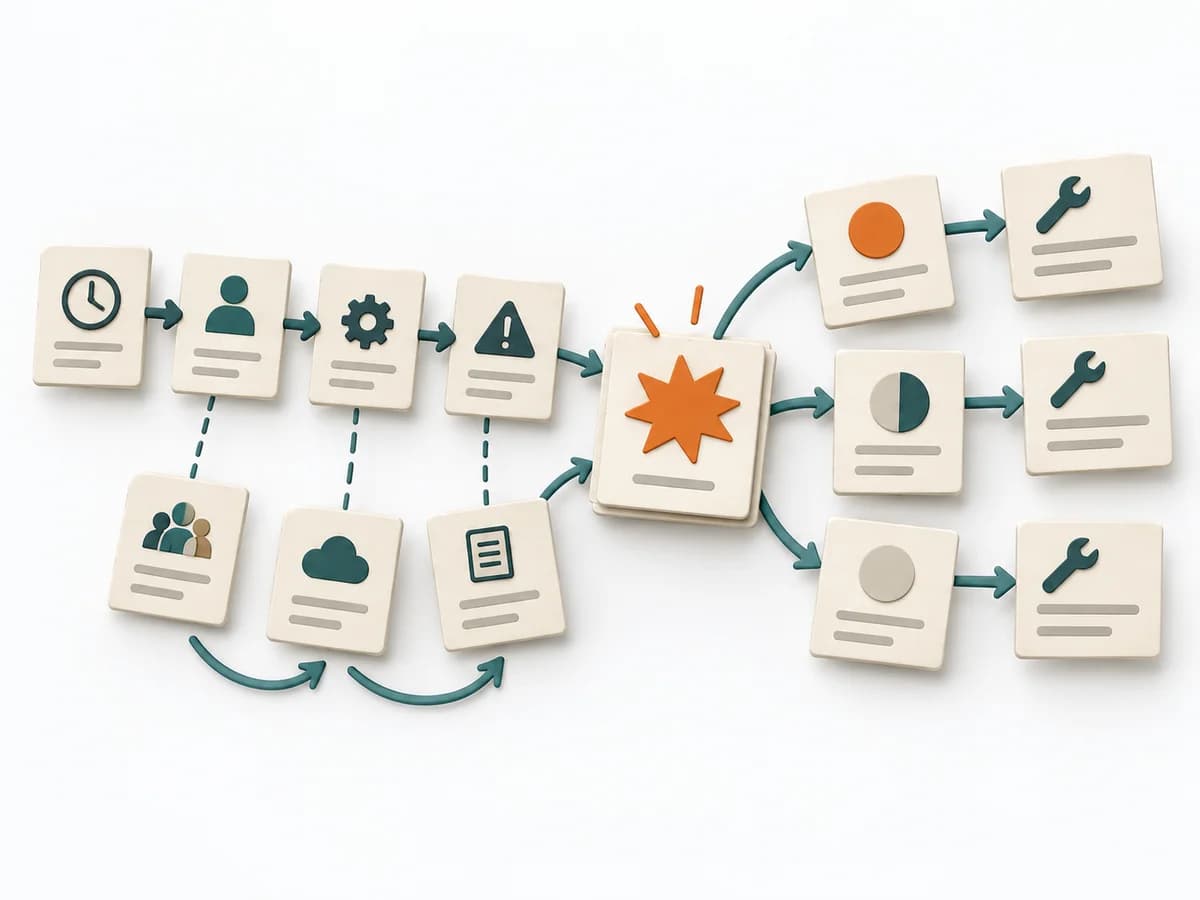 Operations Causal Factor Analysis | 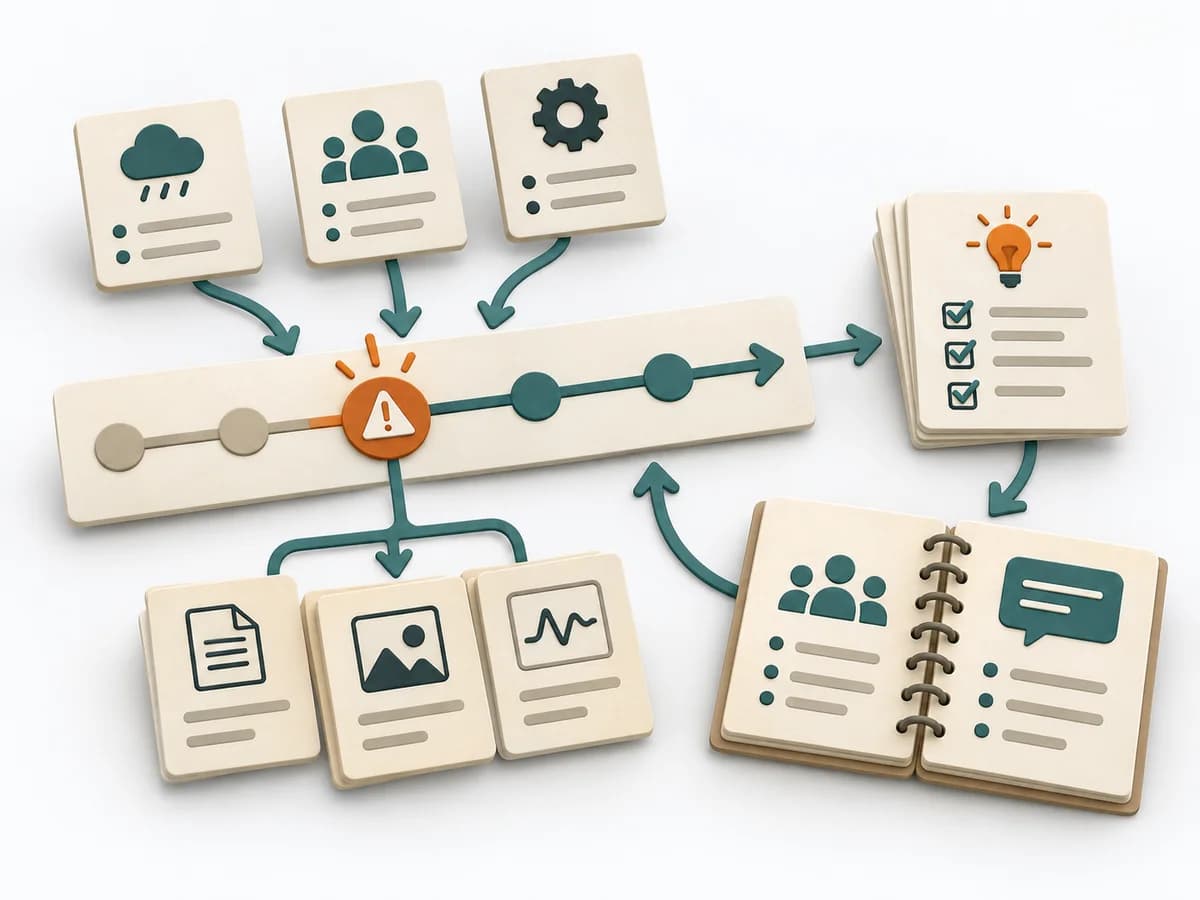 DevOps Blameless Postmortem | 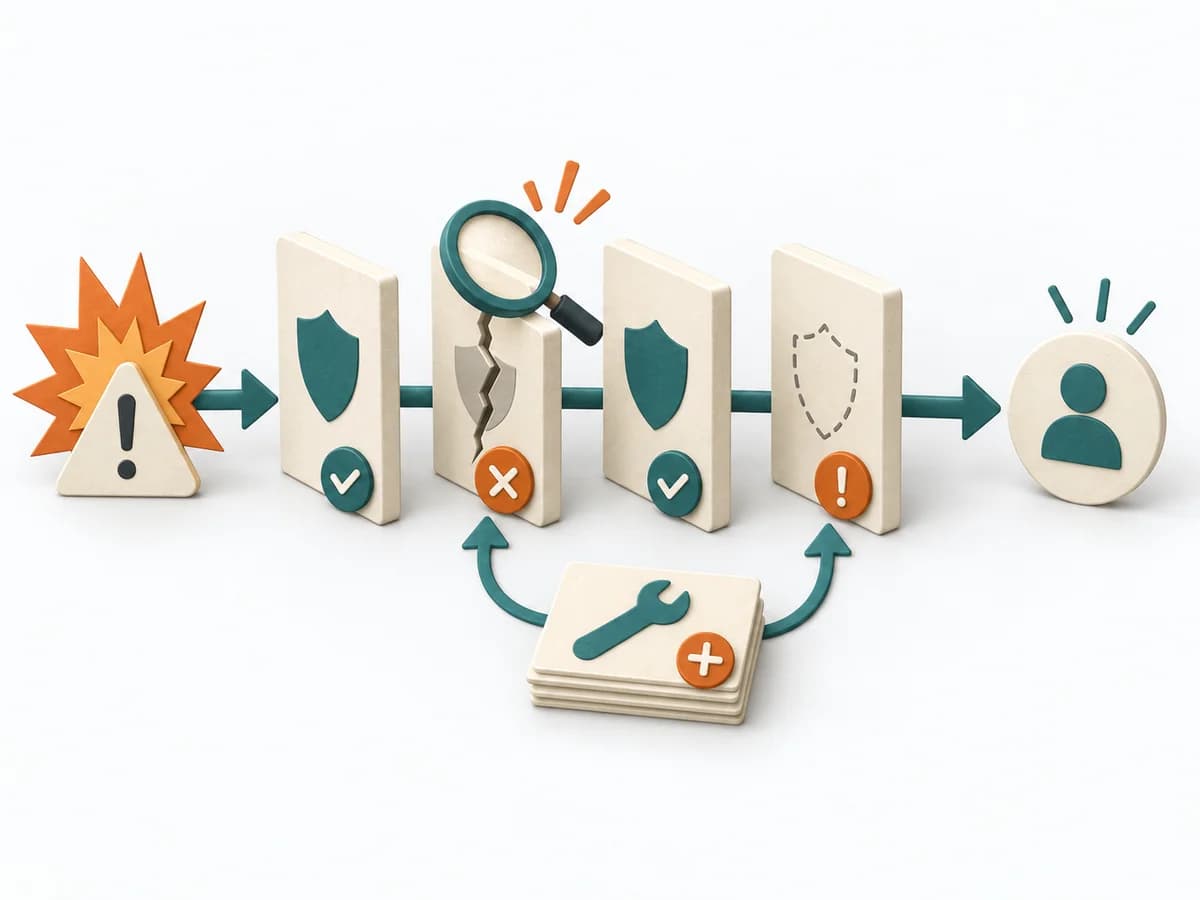 Operations Barrier Analysis |
|---|---|---|---|---|
Purposedifferent | In critical processes, it is not enough to plan only for the normal case. Failure Scenario Analysis looks at the path into failure and shows which failures, chains, and control gaps cause the most damage. | For an event with a complicated course, the method breaks down the contributing factors along the timeline. It shows how conditions, decisions, and reactions together produce a course of events. | After an incident with damage or a near miss, the method creates a sober field for learning without assigning blame. It directs attention to the course of events, conditions, and effective countermeasures. | For a risk that can only be managed through multiple layers of protection, the method examines the effectiveness of each barrier. It shows where safeguards are missing, too weak, or fail under real conditions. |
Complexitydifferent | Medium | High | Medium | Medium |
Timedifferent | 1-3 h | 2-6 h | 30-90 min | 2-4 h |
Participantsdifferent | 3-8 | 3-10 | 3-12 | 2-6 |
Formatdifferent | Workshop | Workshop + async | Workshop + async | Workshop + async |
Outputdifferent | Failure Scenarios, Risk Notes, Control Gaps, Test and Response Actions | Event Timeline, Causal Factor Chart, Cause List, Corrective Actions | Postmortem Doc, Action Items, Timeline | Barrier Inventory, Failure Analysis per Barrier, Action Backlog |
Tagsno overlap | FailureResilienceRisk | CausalityIncidentRoot causeTimeline | Site Reliability EngineeringIncidentLearningReliability | Root causeSafetyIncident |