View methods side by side.
Choose up to four methods. Add them using the search and share the comparison by copying its link.
| Criterion | 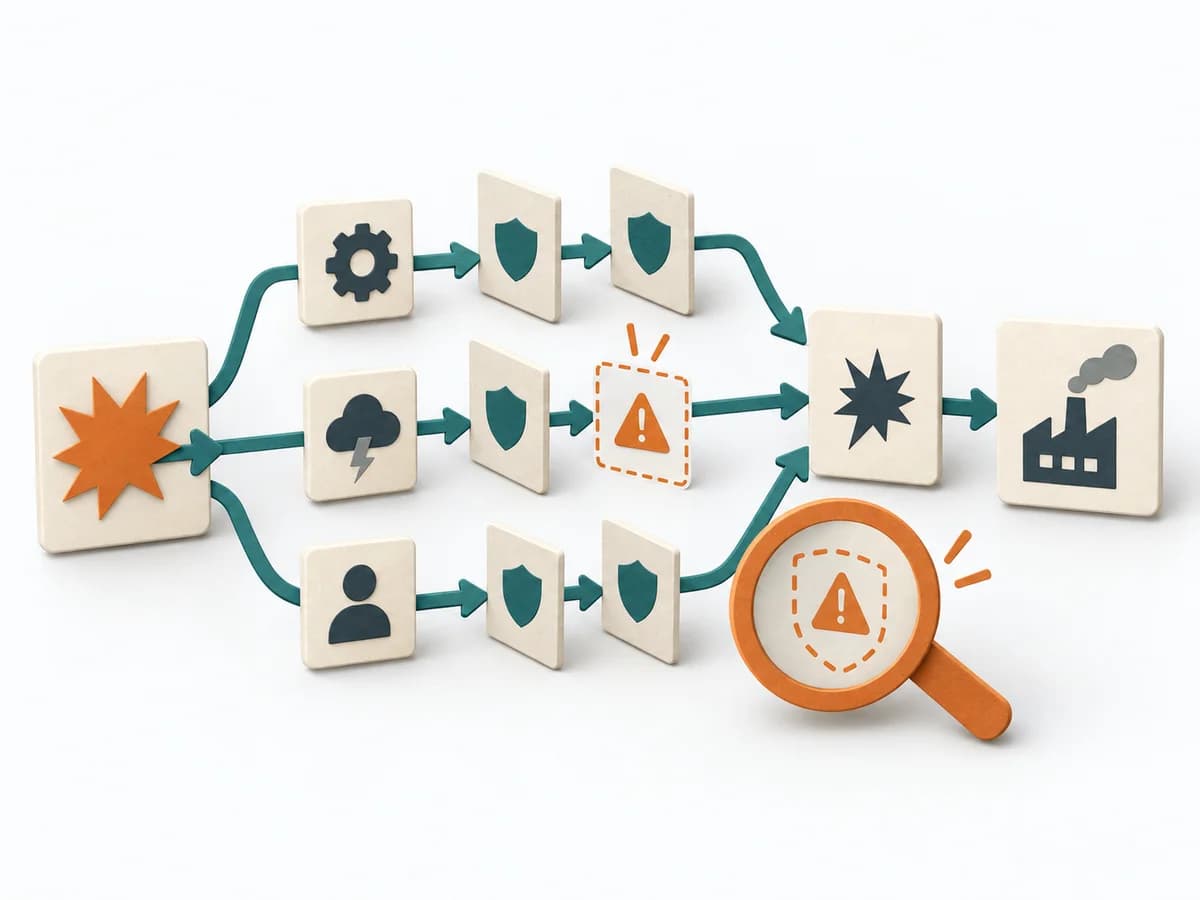 Engineering Failure Scenario Analysis | 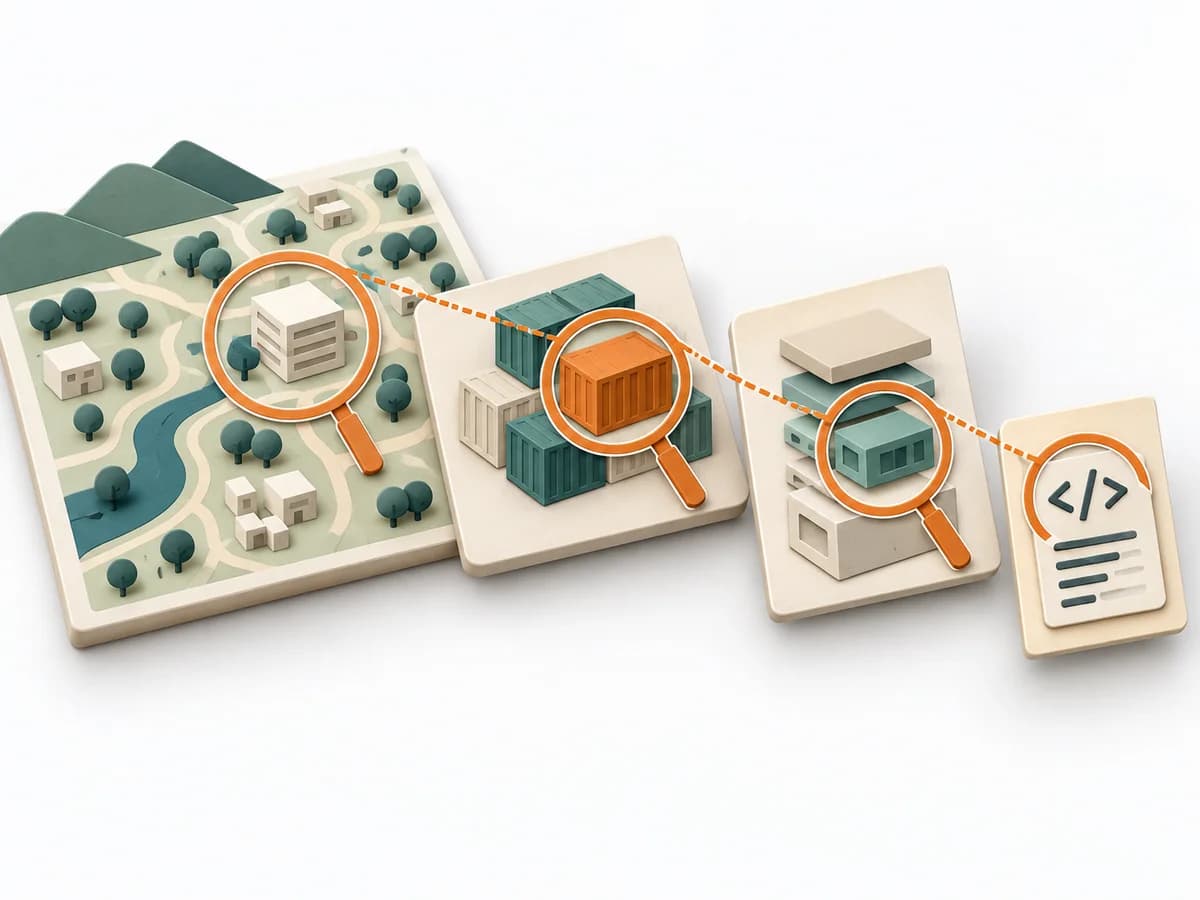 Architecture C4 Model | 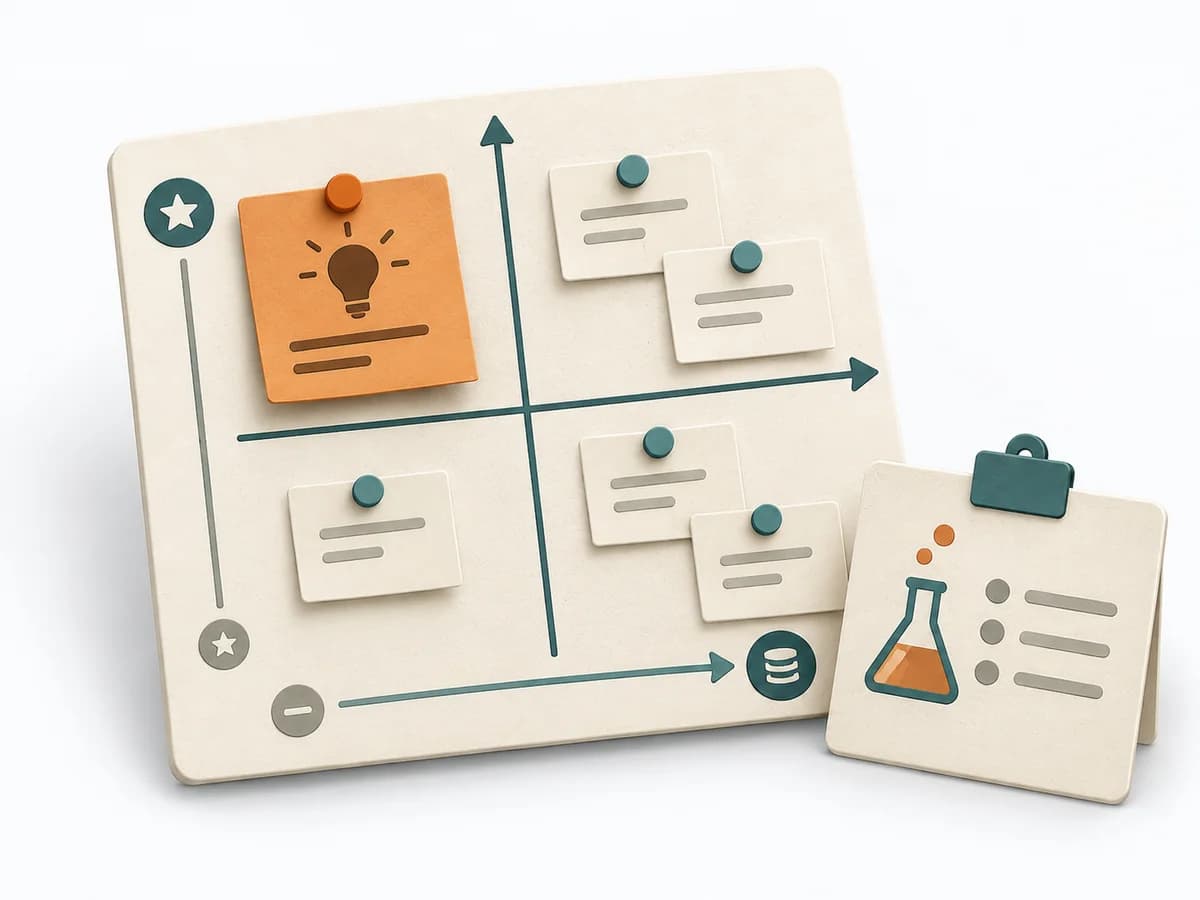 Product Discovery Assumption Mapping | 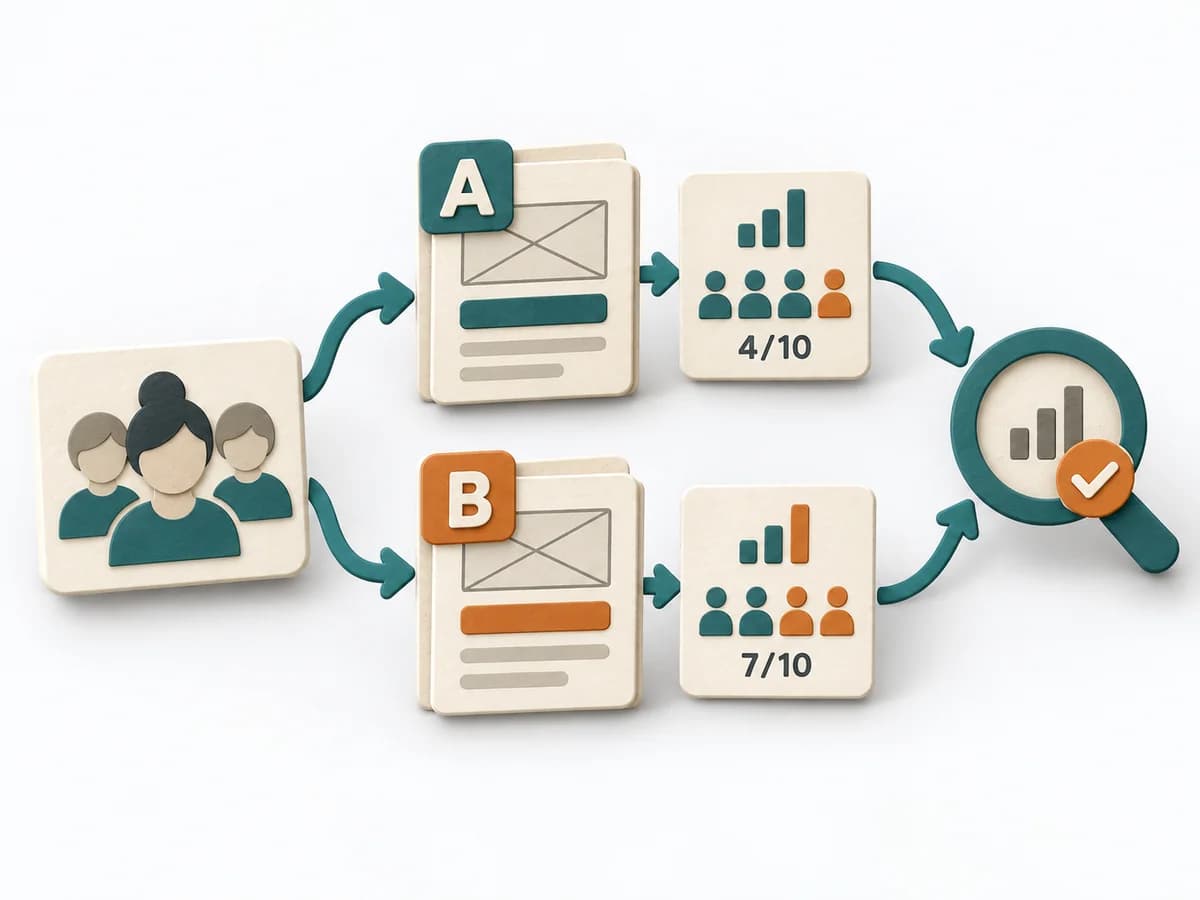 Growth A/B Testing |
|---|---|---|---|---|
Purposedifferent | In critical processes, it is not enough to plan only for the normal case. Failure Scenario Analysis looks at the path into failure and shows which failures, chains, and control gaps cause the most damage. | The C4 Model makes a system legible across several resolution levels, from context down to code. It suits situations where different audiences need to understand the same architecture from different altitudes. | When assumptions still sit unordered in the room, it weighs uncertainty against leverage. It makes visible which hypotheses should be checked first. | When two variants compete, discussions quickly decide by taste rather than effect. A/B Testing checks behavior under controlled conditions and separates real improvement from chance or expectation effects. |
Complexitydifferent | Medium | Low | Medium | High |
Timedifferent | 1-3 h | 1-4 h | 45-60 min | 1-4 Wochen |
Participantsdifferent | 3-8 | 1-5 | 2-8 | 1-6 |
Formatdifferent | Workshop | Workshop + async | Workshop + async | Async |
Outputdifferent | Failure Scenarios, Risk Notes, Control Gaps, Test and Response Actions | Context Diagram, Container Diagram, Component Diagram | Assumption map, Test backlog, Risk ranking | Experiment results, Decision log, Learning summary |
Tagsno overlap | FailureResilienceRisk | ArchitectureCommunicationVisualization | AssumptionsRiskExperimentsValidation | ExperimentsGrowthAnalyticsValidation |