View methods side by side.
Choose up to four methods. Add them using the search and share the comparison by copying its link.
| Criterion | 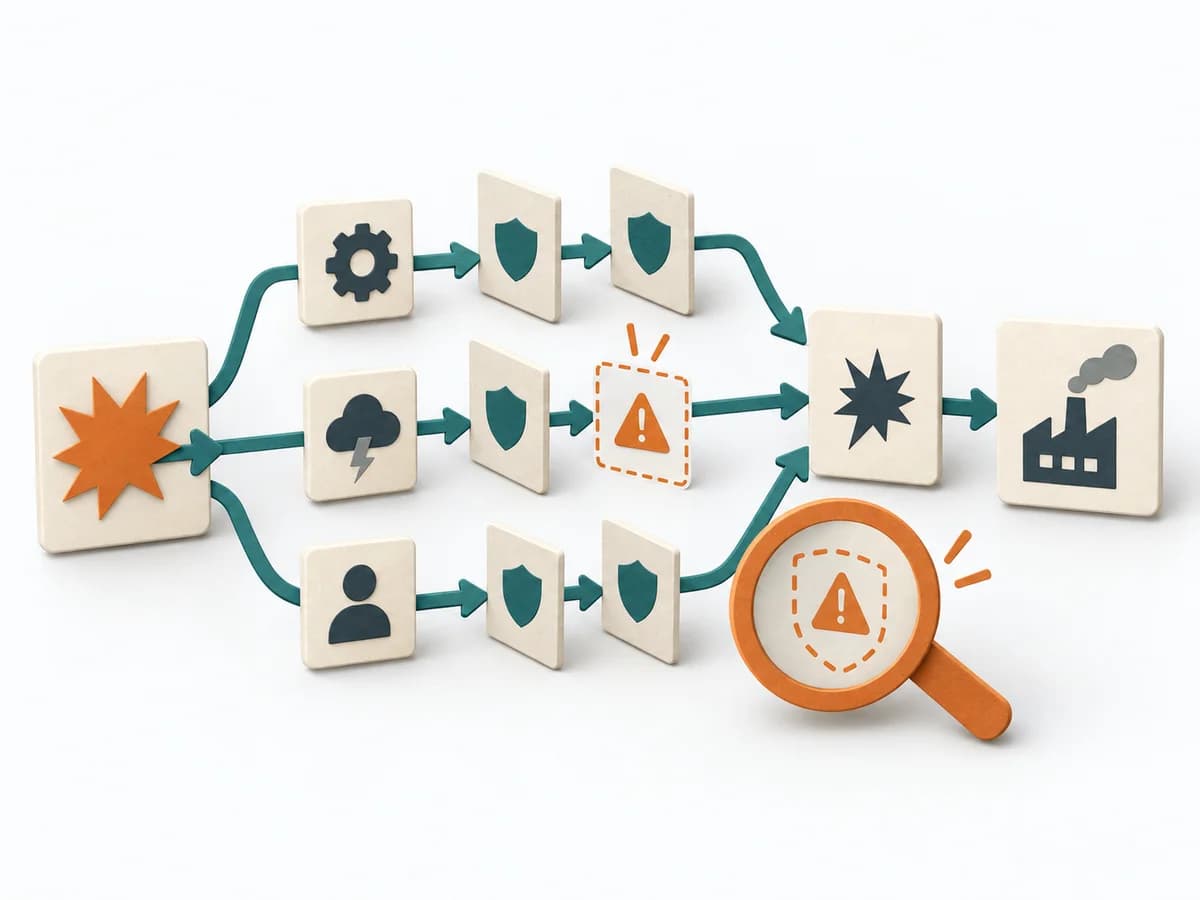 Engineering Failure Scenario Analysis | 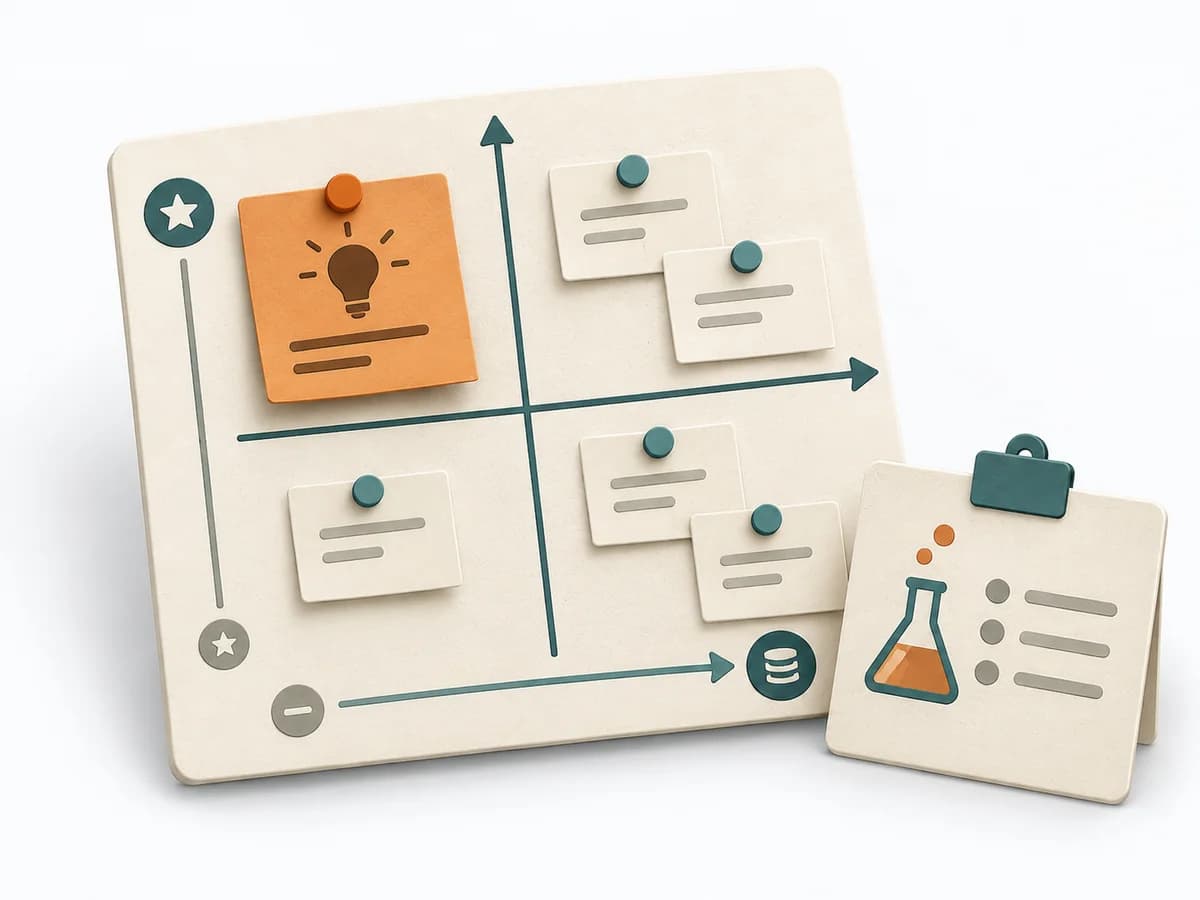 Product Discovery Assumption Mapping | 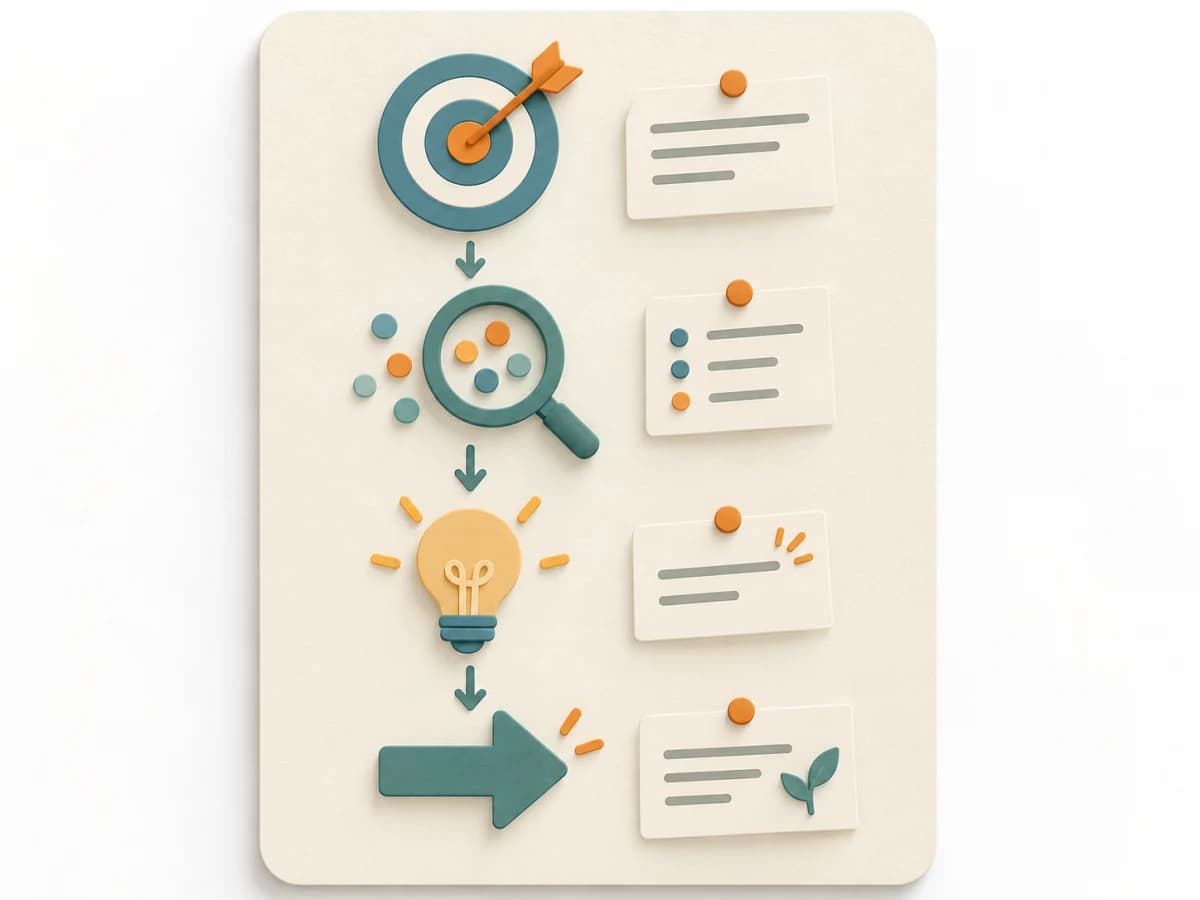 Product Discovery Learning Card | 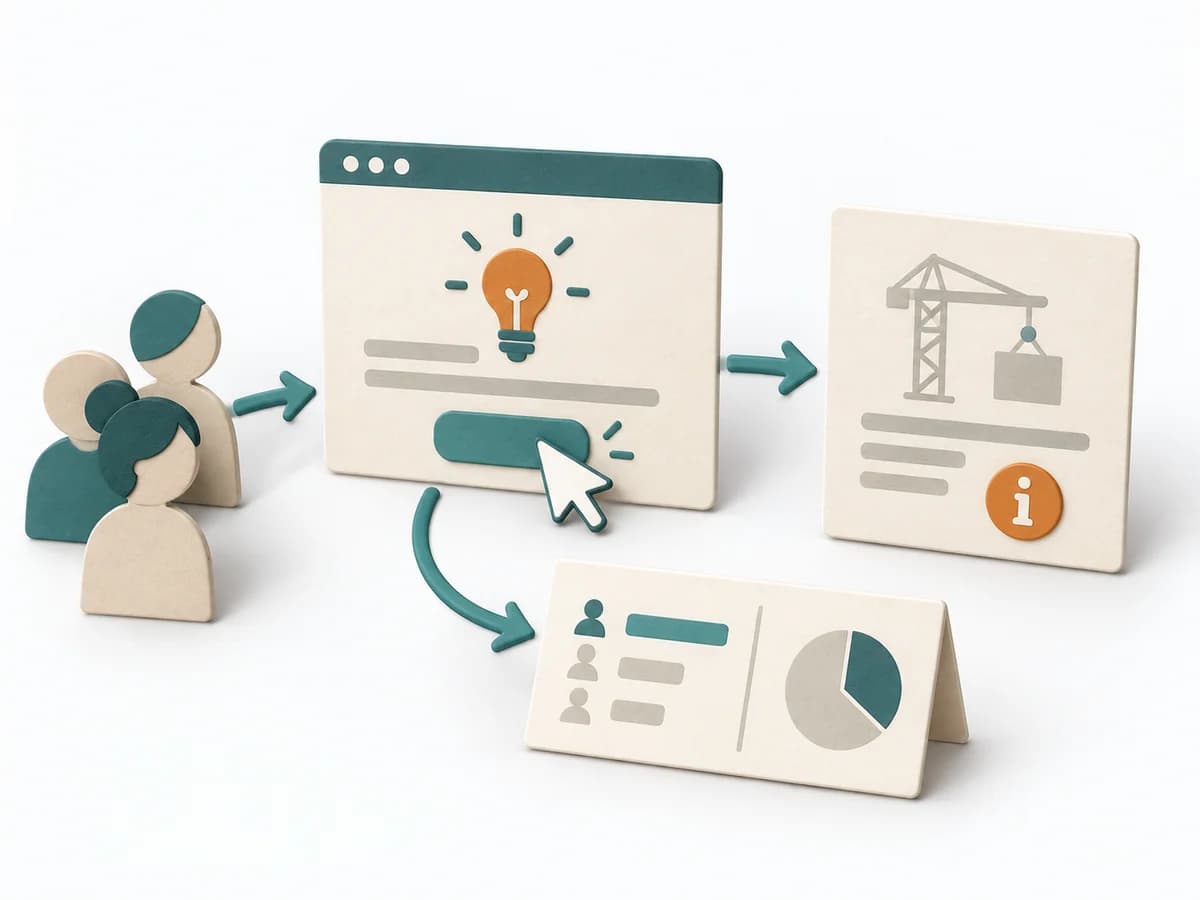 Product Discovery Fake Door Test |
|---|---|---|---|---|
Purposedifferent | In critical processes, it is not enough to plan only for the normal case. Failure Scenario Analysis looks at the path into failure and shows which failures, chains, and control gaps cause the most damage. | When assumptions still sit unordered in the room, it weighs uncertainty against leverage. It makes visible which hypotheses should be checked first. | The Learning Card connects traceable test results to a reasoned next action while keeping the limits of the insight visible. | When demand is still unclear, it measures interest in a feature before it is built. It separates real behavior from polite agreement and deliberately keeps build effort small. |
Complexitydifferent | Medium | Medium | Low | Medium |
Timedifferent | 1-3 h | 45-60 min | 25-40 min | 1-5 Tage |
Participantsdifferent | 3-8 | 2-8 | 1-5 | Nutzertraffic |
Formatdifferent | Workshop | Workshop + async | Workshop + async | Async |
Outputdifferent | Failure Scenarios, Risk Notes, Control Gaps, Test and Response Actions | Assumption map, Test backlog, Risk ranking | Learning Card with evidence and next action | Click Data, Interest Signal, Learning Decision |
Tagsno overlap | FailureResilienceRisk | AssumptionsRiskExperimentsValidation | ExperimentsValidationDiscoveryLearning | ValidationExperimentsDemandDiscovery |