View methods side by side.
Choose up to four methods. Add them using the search and share the comparison by copying its link.
Selected:Expectation MappingArchitecture Communication CanvasExample MappingSoftware Architecture Canvas
| Criterion |  Facilitation Expectation Mapping |  Architecture Architecture Communication Canvas | 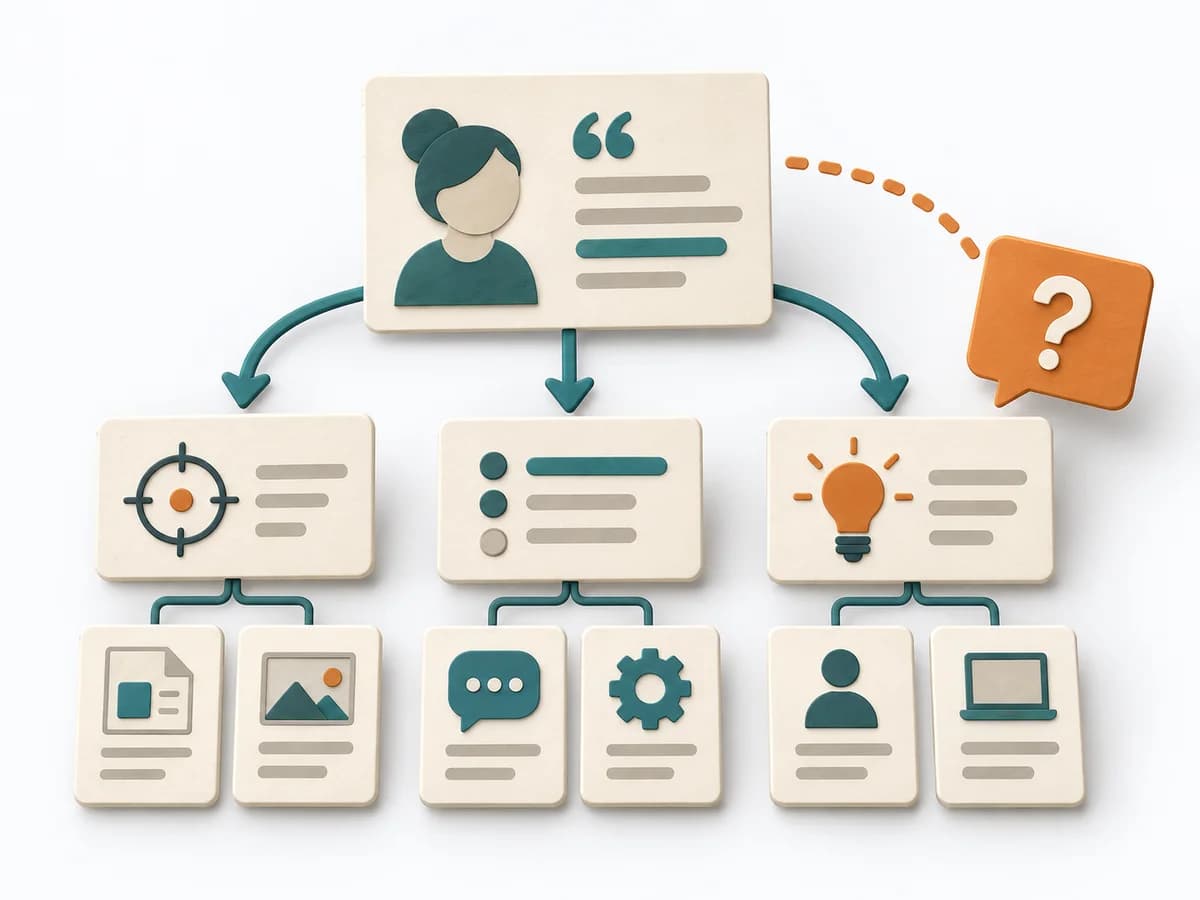 Agile Example Mapping | 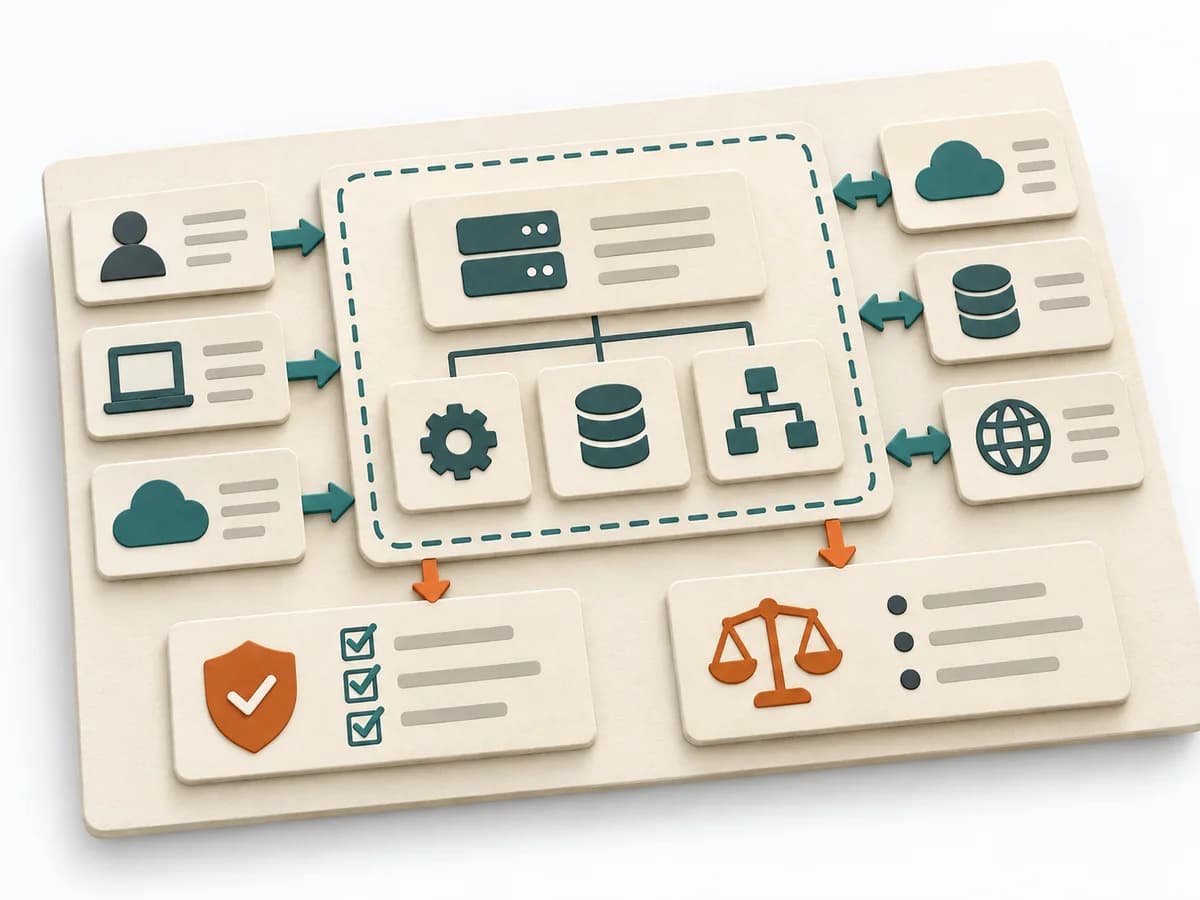 Architecture Software Architecture Canvas |
|---|---|---|---|---|
Purposedifferent | When roles, interfaces, or projects fail because of differing expectations, Expectation Mapping surfaces these differences. It shows what each side takes for granted and where the pictures diverge. | The Architecture Communication Canvas plans architecture communication so the right people receive the right message. The method turns technical complexity into deliberate communication design. | When a story carries business rules and exceptions, it brings clarity before implementation. It makes examples, open questions, and boundaries visible enough that the logic becomes jointly sound. | The Software Architecture Canvas reduces a system to the most important architecture decisions, constraints, and interfaces. It is useful when teams need a resilient overall picture quickly. |
Complexitydifferent | Low | Medium | Low | Low |
Timedifferent | 45-90 min | 60-120 min | 30-60 min | 1-2 h |
Participantsdifferent | 3-12 | 2-8 | 3-7 | 3-10 |
Formatdifferent | Workshop | Workshop + async | Workshop | Workshop |
Outputdifferent | Expectation Map, Alignment Notes, Agreements | Communication Canvas, Stakeholder Messages, Architecture Communication Plan | Example Map, Acceptance Criteria, Open Questions | Architecture Canvas, Goals, Constraints, Quality Attributes |
Tagsno overlap | AlignmentStakeholdersTeam | ArchitectureCommunicationStakeholdersCanvas | Behavior-Driven DevelopmentRequirementsExamplesRefinement | CanvasArchitectureAlignmentWorkshop |