View methods side by side.
Choose up to four methods. Add them using the search and share the comparison by copying its link.
| Criterion | 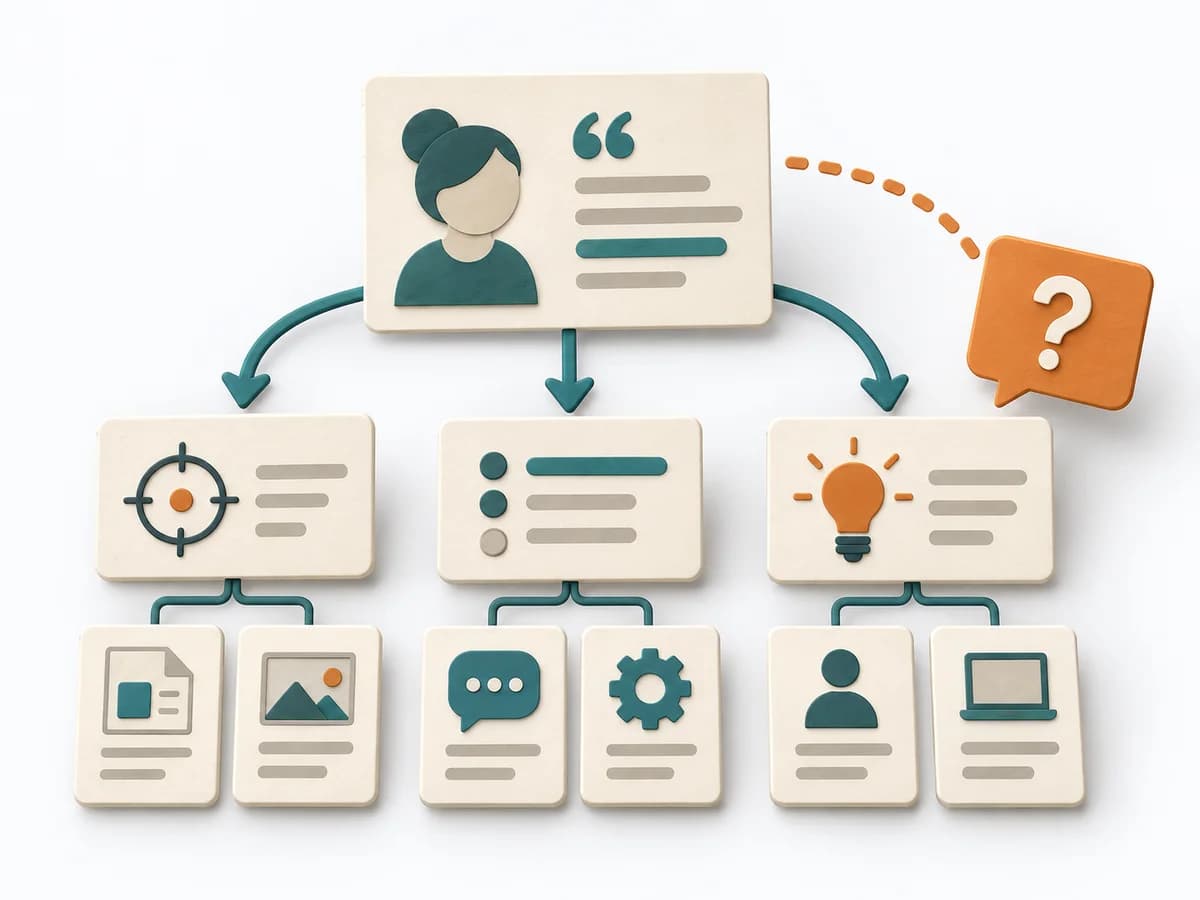 Agile Example Mapping | 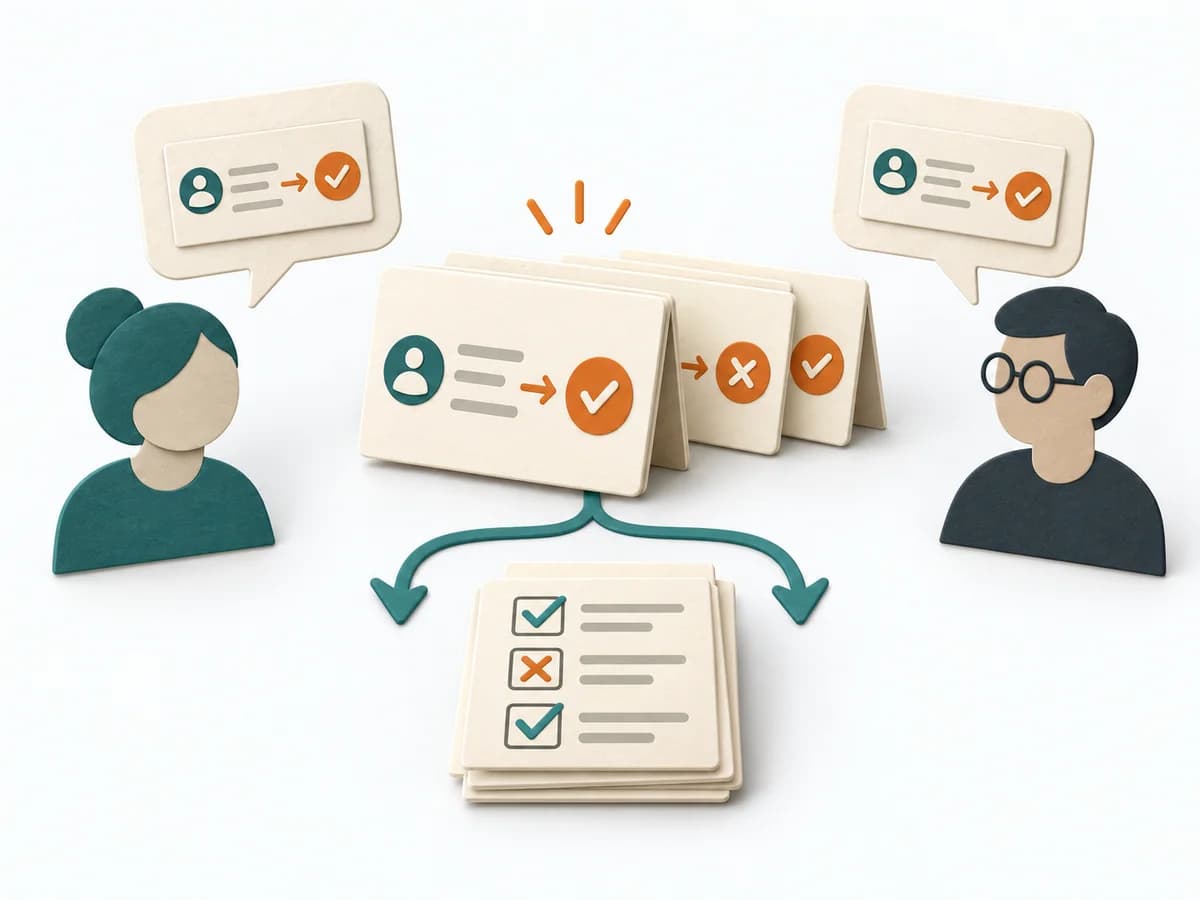 Agile Specification by Example | 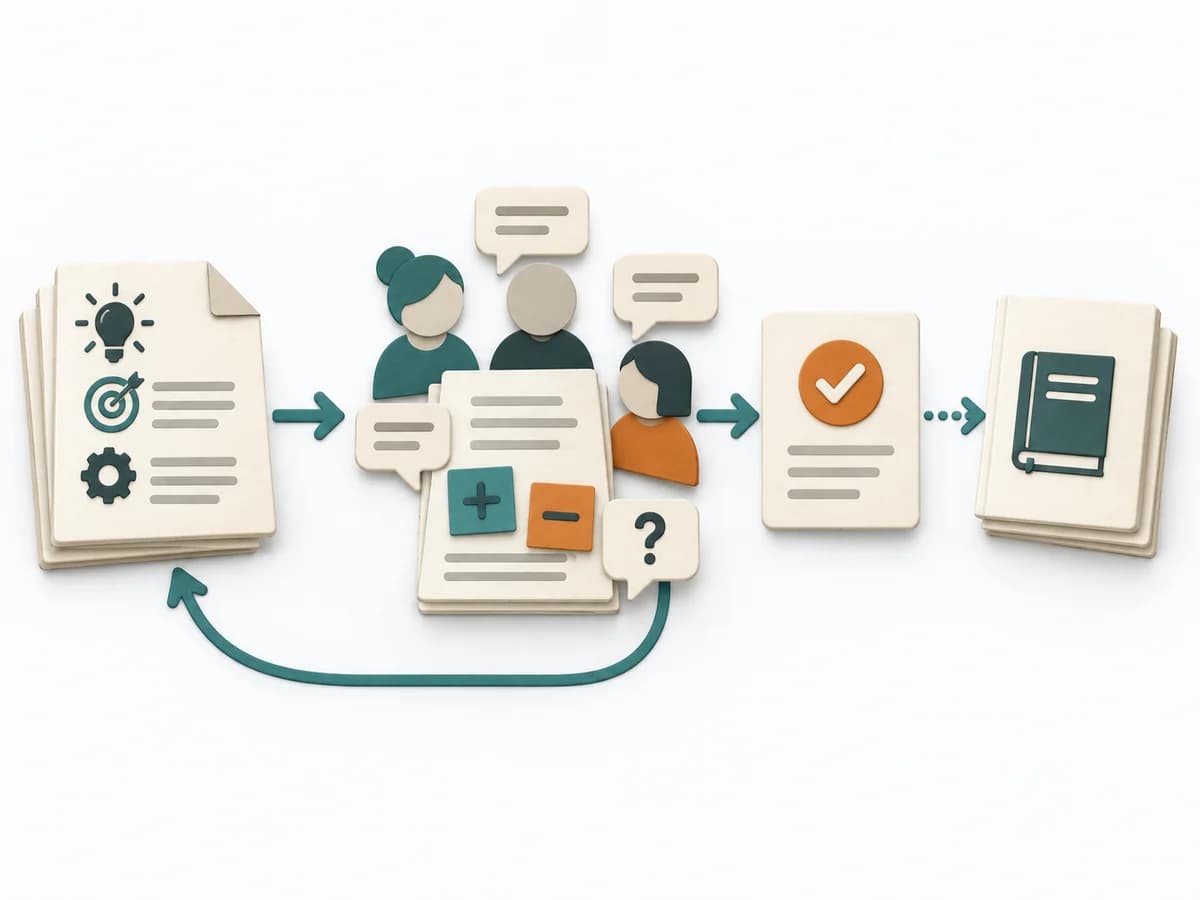 Architecture Request for Comments |  Decision Making Decision Rights Mapping |
|---|---|---|---|---|
Purposedifferent | When a story carries business rules and exceptions, it brings clarity before implementation. It makes examples, open questions, and boundaries visible enough that the logic becomes jointly sound. | When business rules need to become precise, it ties language, example, and test together. It sorts work by value, risk, and delivery ability. The result is captured as an Example Table and Acceptance Tests. | An RFC clarifies architecture context, options, and consequences. It structures technical context, alternatives, tradeoffs, open questions, and review feedback, and captures the result as an RFC document, reviewer comments, and a decision rationale. | In organizations with many stakeholders, it often blurs who actually decides and who is merely consulted. It separates options, evaluation criteria, and open risks. The result is captured as a Decision Rights matrix and an agreement. |
Complexitydifferent | Low | Medium | Medium | Medium |
Timedifferent | 30-60 min | 60-90 min pro Feature | 1-3 Wochen vom Draft bis zur Entscheidung | 90-180 min |
Participantsdifferent | 3-7 | 3-6 | 3-20 Reviewer | 4-12 |
Formatdifferent | Workshop | Workshop | Async | Workshop |
Outputdifferent | Example Map, Acceptance Criteria, Open Questions | Example Table, Acceptance Tests | RFC document, Reviewer comments, Decision rationale, Follow-up ADR or tickets | Decision Rights Matrix, Agreement |
Tagsno overlap | Behavior-Driven DevelopmentRequirementsExamplesRefinement | AgileRequirementsExamplesBehavior-Driven Development | ArchitectureDecisionAsyncGovernance | DecisionGovernanceAlignmentResponsibility |