View methods side by side.
Choose up to four methods. Add them using the search and share the comparison by copying its link.
| Criterion | 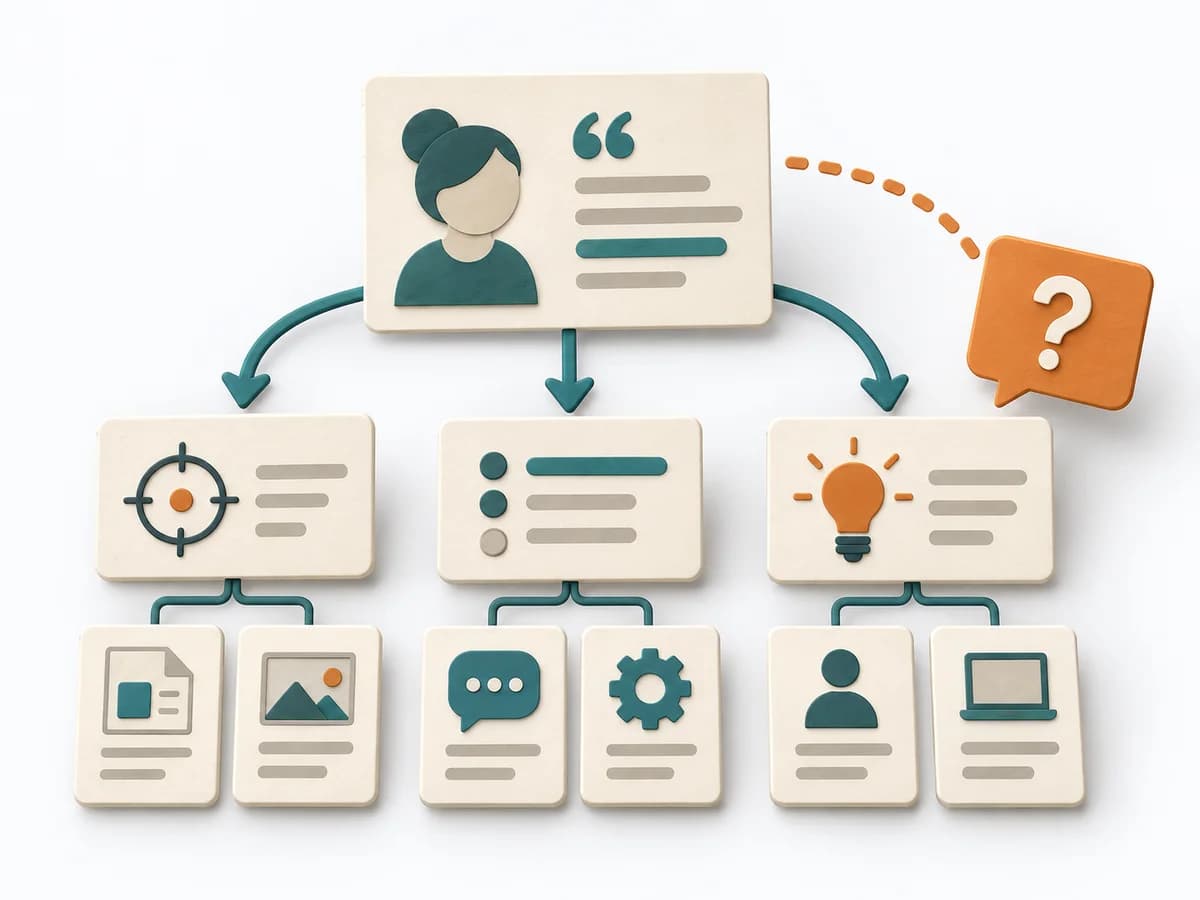 Agile Example Mapping | 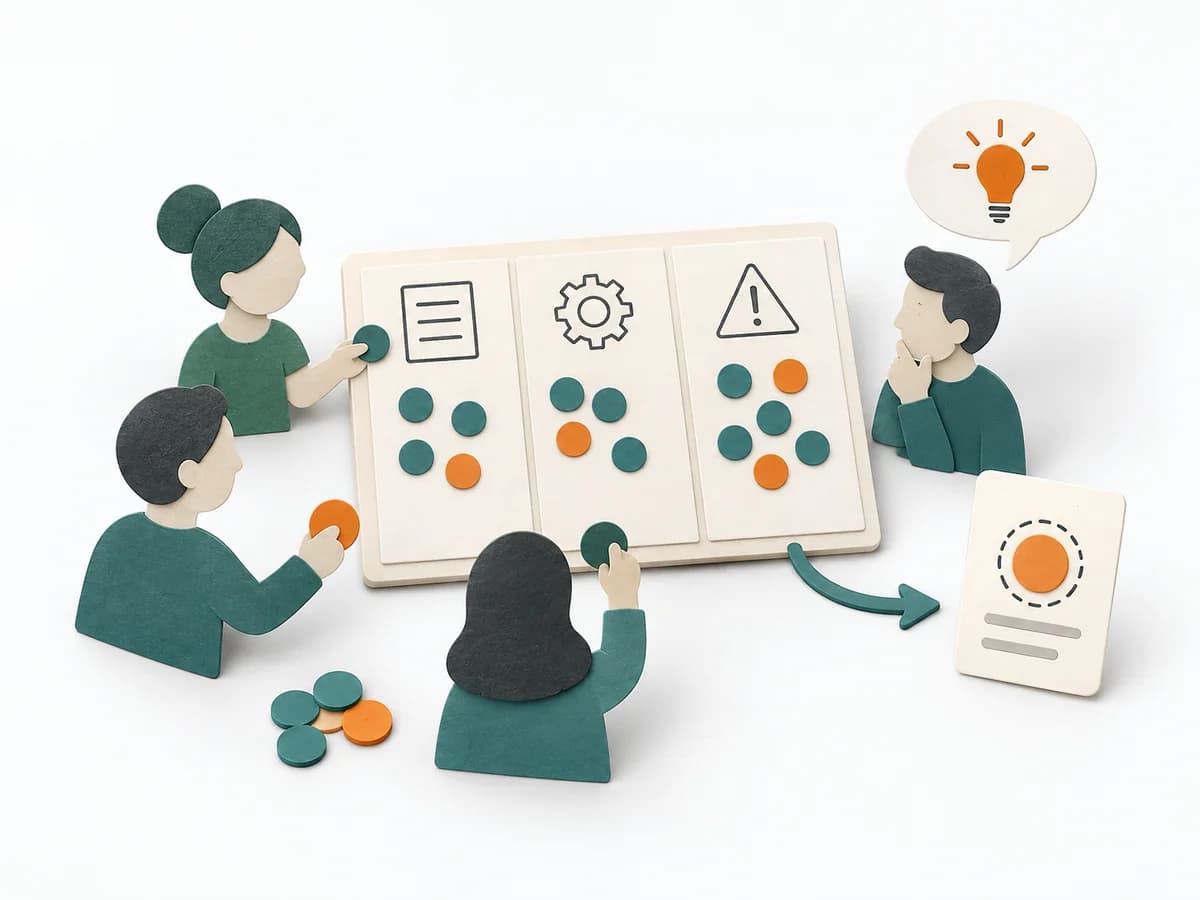 Facilitation Dot Estimation |  Agile Planning Poker | 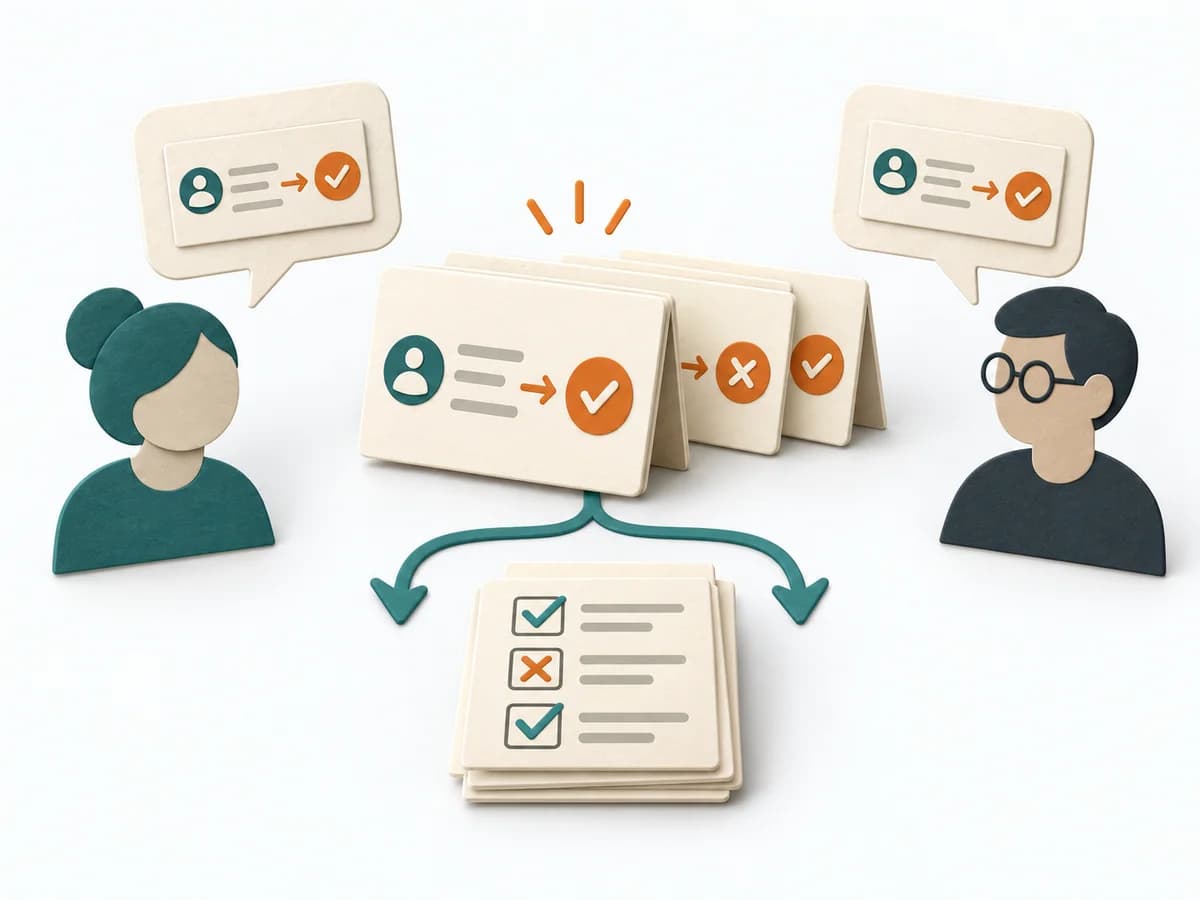 Agile Specification by Example |
|---|---|---|---|---|
Purposedifferent | When a story carries business rules and exceptions, it brings clarity before implementation. It makes examples, open questions, and boundaries visible enough that the logic becomes jointly sound. | When size or effort can only be estimated roughly, Dot Estimation condenses the group's experience into a quick range. It turns individual contributions into a visible selection. The result is captured as an Effort Heatmap, Risk Signals, and Discussion Targets. | When estimates within the team diverge too much, it puts differing expectations on a common test bench. It separates rough complexity from unspoken assumptions. | When business rules need to become precise, it ties language, example, and test together. It sorts work by value, risk, and delivery ability. The result is captured as an Example Table and Acceptance Tests. |
Complexitydifferent | Low | Low | Low | Medium |
Timedifferent | 30-60 min | 5-20 min | 2-5 min je Item | 60-90 min pro Feature |
Participantsdifferent | 3-7 | 3-20 | 3-9 | 3-6 |
Formatdifferent | Workshop | Workshop | Workshop + async | Workshop |
Outputdifferent | Example Map, Acceptance Criteria, Open Questions | Effort Heatmap, Risk Signals, Discussion Targets | Relative Estimates, Assumption Notes, Split Candidates | Example Table, Acceptance Tests |
Tagsno overlap | Behavior-Driven DevelopmentRequirementsExamplesRefinement | EstimationEffortRisk | EstimationAgileRelative sizingTeam | AgileRequirementsExamplesBehavior-Driven Development |