View methods side by side.
Choose up to four methods. Add them using the search and share the comparison by copying its link.
| Criterion |  Knowledge Modeling Event Modeling | 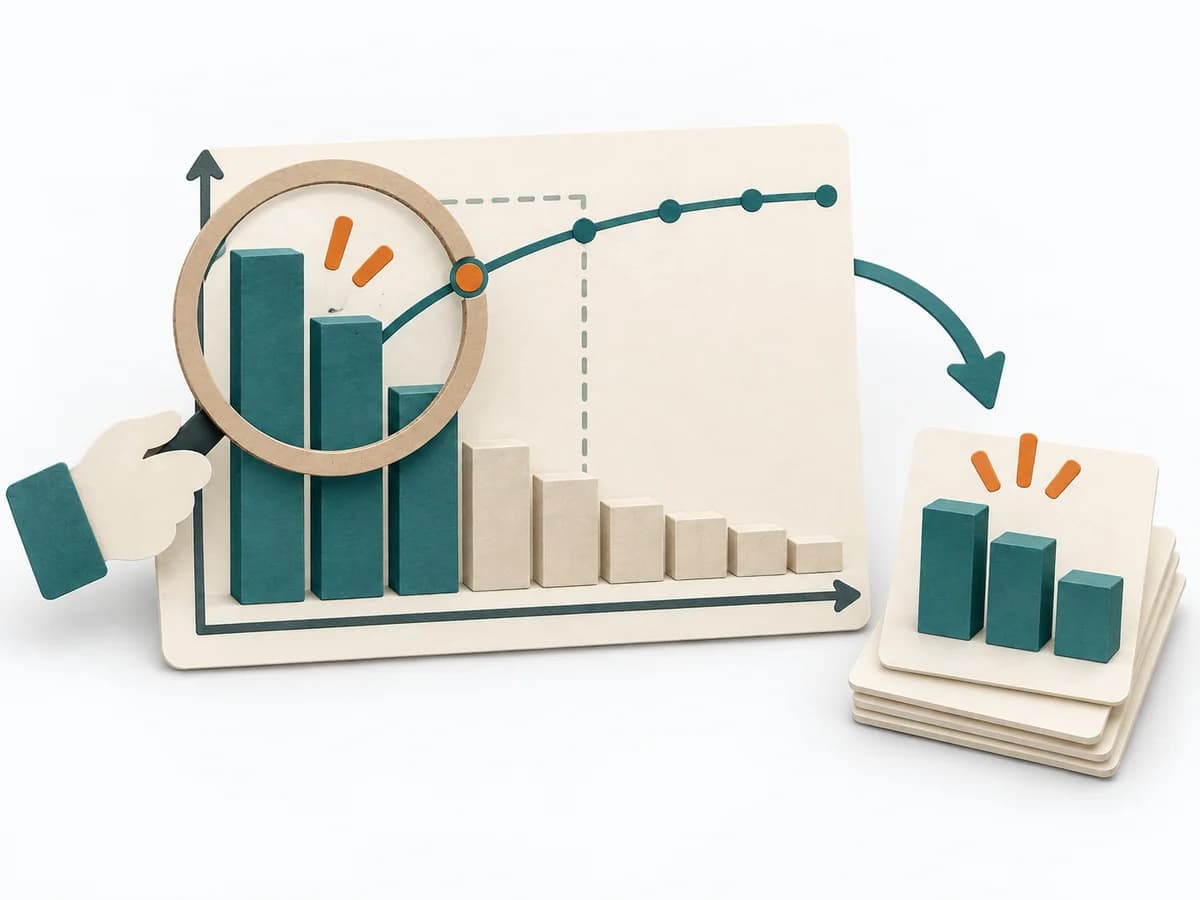 Decision Making Pareto Analysis | 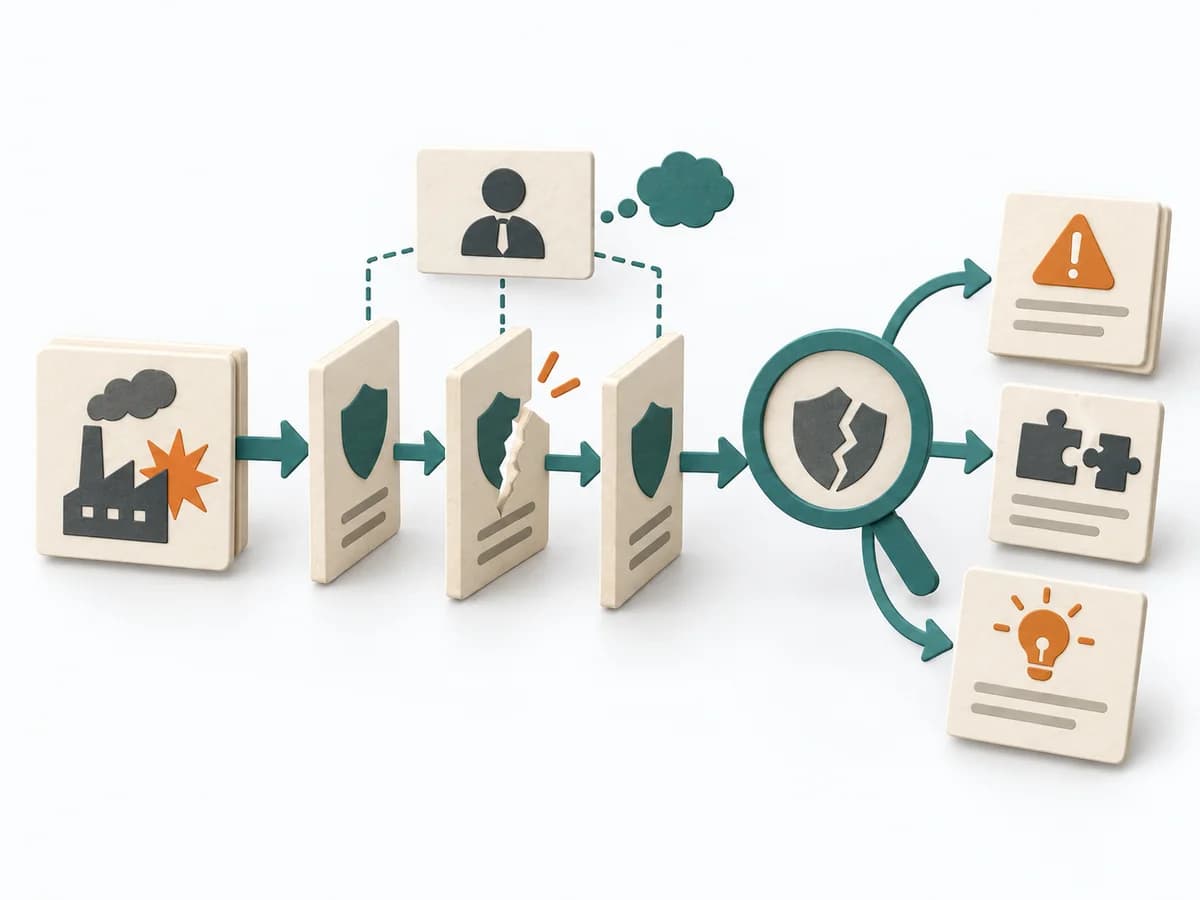 Operations MORT Analysis |  Operations Root Cause Analysis |
|---|---|---|---|---|
Purposedifferent | Event Modeling connects business workflows with commands, events, and views into one coherent mental model. It helps design behavior, UI, and technical slices from the same underlying logic. | In many problem situations, effect is distributed unequally across many causes. A Pareto Analysis separates the few drivers with high leverage from the long remainder and focuses attention on what measurably moves the needle. | For a safety-relevant event or a system with high protection requirements, the method examines where controls failed. It exposes both technical and organizational gaps. | When a problem keeps recurring and the cause stays unclear, the method exposes the underlying mechanism. It separates symptom, guess, and robust explanation from one another. |
Complexitydifferent | Medium | Low | High | Medium |
Timedifferent | 2-6 h | 30-60 min | Mehrere Tage bis Wochen | 1-4 h |
Participantsdifferent | 2-8 | 1-6 | 2-6 | 3-8 |
Formatsame | Workshop + async | Workshop + async | Workshop + async | Workshop + async |
Outputdifferent | Event Model, UI Flow, Commands, Read Models | Pareto Chart, Top Causes, Focus List | MORT Worksheets, Findings per Branch, Corrective Actions, Systemic Recommendations | Problem Statement, Cause Hypotheses, Confirmed Causes, Action Plan |
Tagsno overlap | EventsBlueprintDomain-Driven DesignBehavior | PrioritizationQualityFocusRoot cause | Root causeSafetySystemicIncident | Root causeProblem solvingQualityIncident |