View methods side by side.
Choose up to four methods. Add them using the search and share the comparison by copying its link.
| Criterion |  Knowledge Modeling Event Modeling | 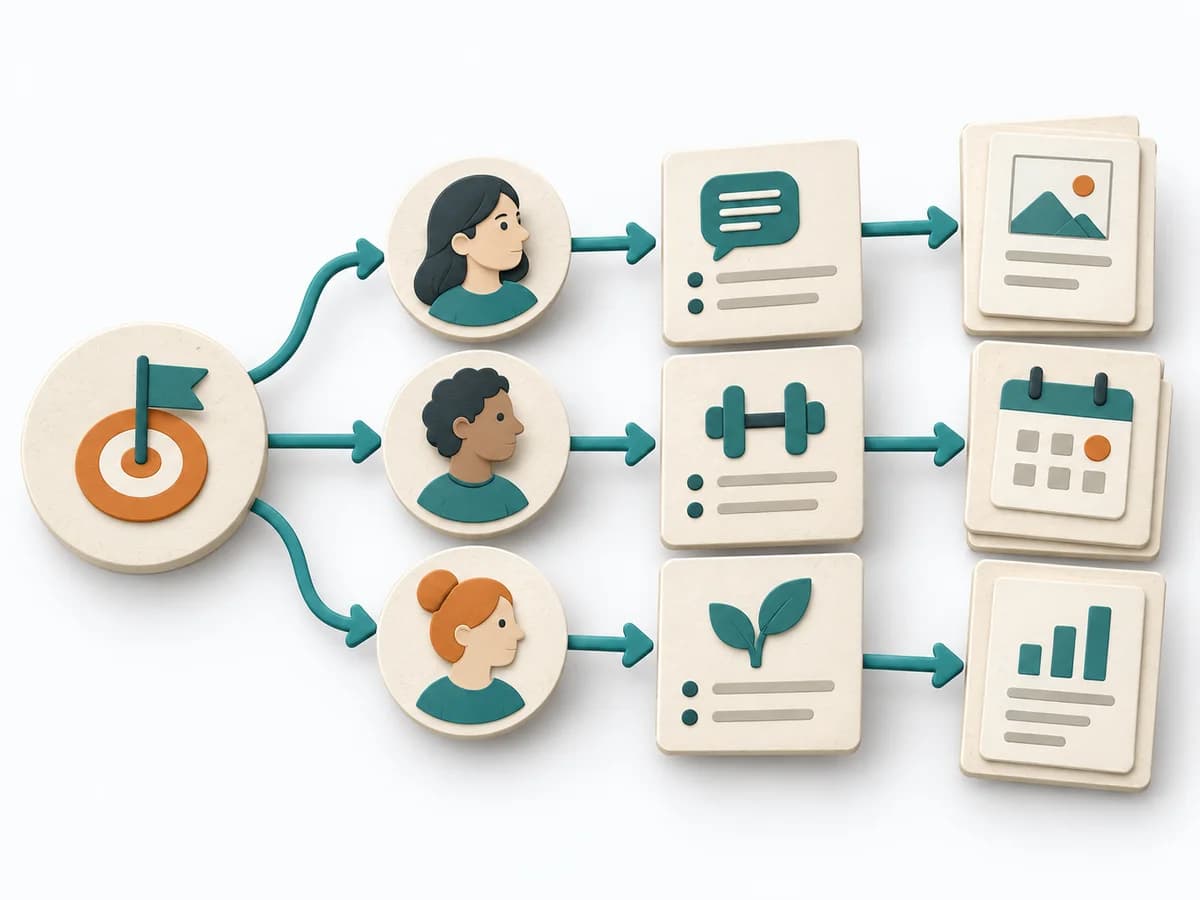 Product Strategy Impact Mapping | 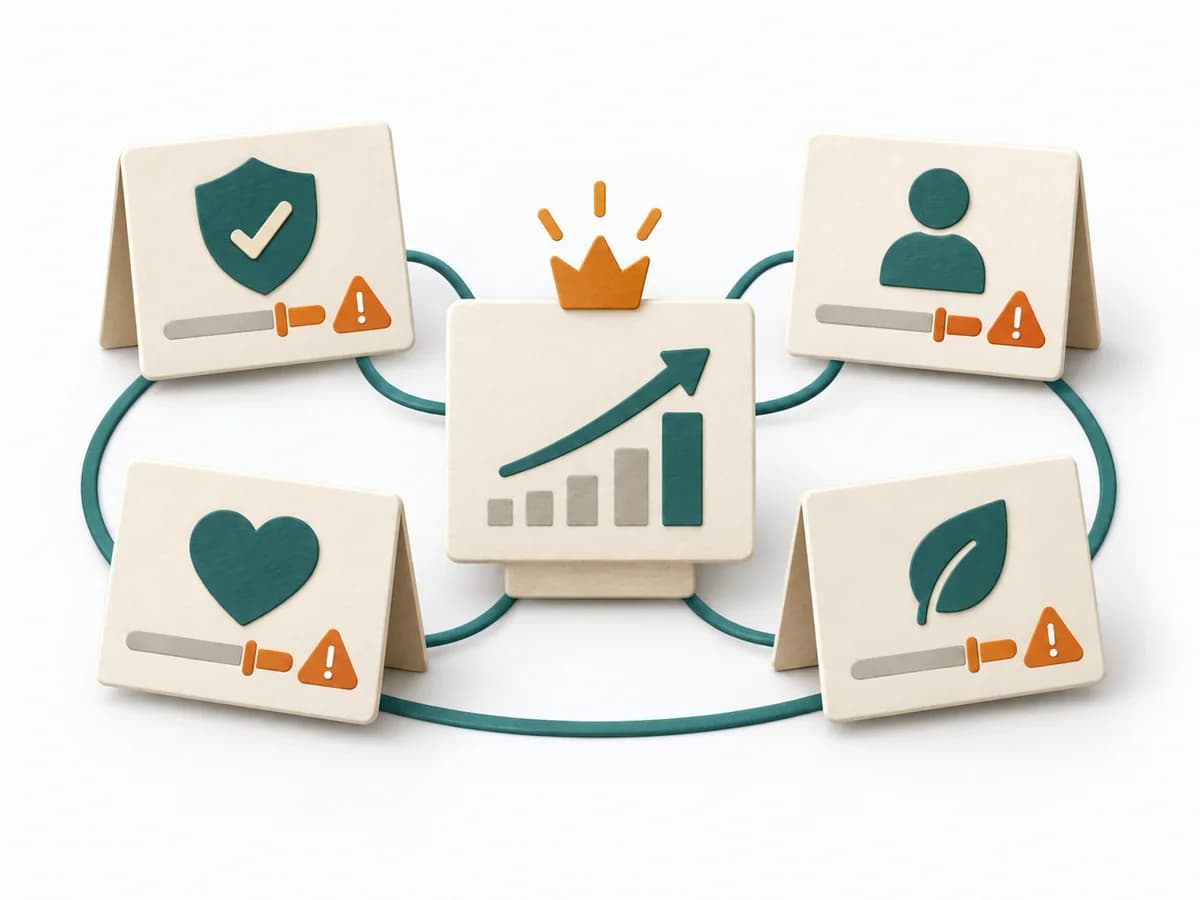 Product Strategy Counter Metrics |  Domain Modeling Context Map |
|---|---|---|---|---|
Purposedifferent | Event Modeling connects business workflows with commands, events, and views into one coherent mental model. It helps design behavior, UI, and technical slices from the same underlying logic. | When a goal needs to be connected to several possible paths, it shows chains of impact instead of feature lists. It connects business goal, behavior change, and measures. | When a headline metric could mask side effects, it adds guardrail signals against unwanted outcomes. It connects customer value, product logic, and decision priorities. The result is captured as a counter-metric list and guardrail definitions. | When several contexts need to talk to each other, it makes their relationships and dependencies legible. It helps sort integration pressure and responsibilities across system boundaries. |
Complexitydifferent | Medium | Medium | Low | Medium |
Timedifferent | 2-6 h | 45-90 min | 30-60 min | 1-3 h |
Participantsdifferent | 2-8 | 3-8 | 2-6 | 2-8 |
Formatdifferent | Workshop + async | Workshop | Workshop + async | Workshop + async |
Outputdifferent | Event Model, UI Flow, Commands, Read Models | Impact Map, Outcome Hypotheses, Delivery Options | Counter Metric List, Guardrail Definitions | Context Map, Integration Patterns, Boundary Notes |
Tagsno overlap | EventsBlueprintDomain-Driven DesignBehavior | OutcomesStrategyBehaviorPlanning | MetricsMeasurementStrategyExperiments | Domain-Driven DesignBoundariesStrategy |