View methods side by side.
Choose up to four methods. Add them using the search and share the comparison by copying its link.
| Criterion | 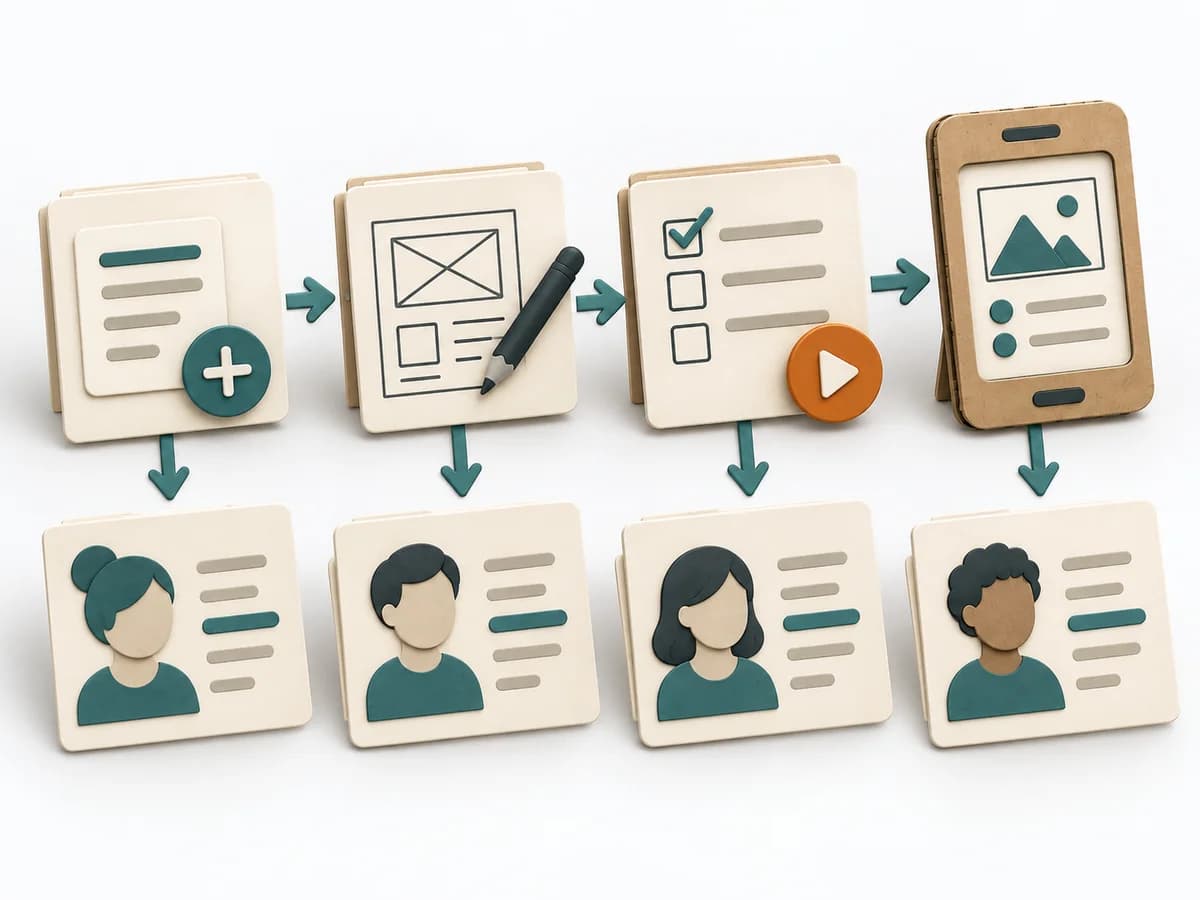 Knowledge Modeling Event Modeling | 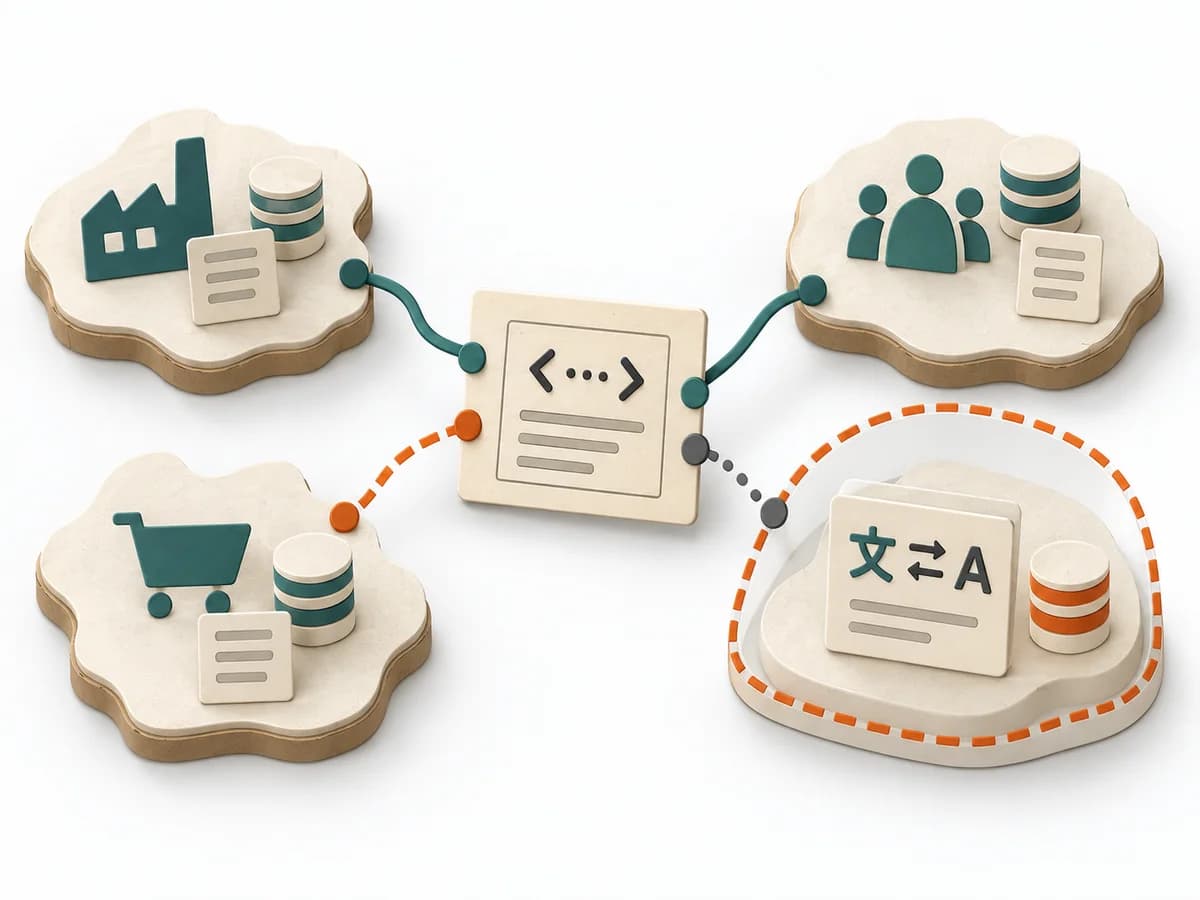 Domain Modeling Context Map | 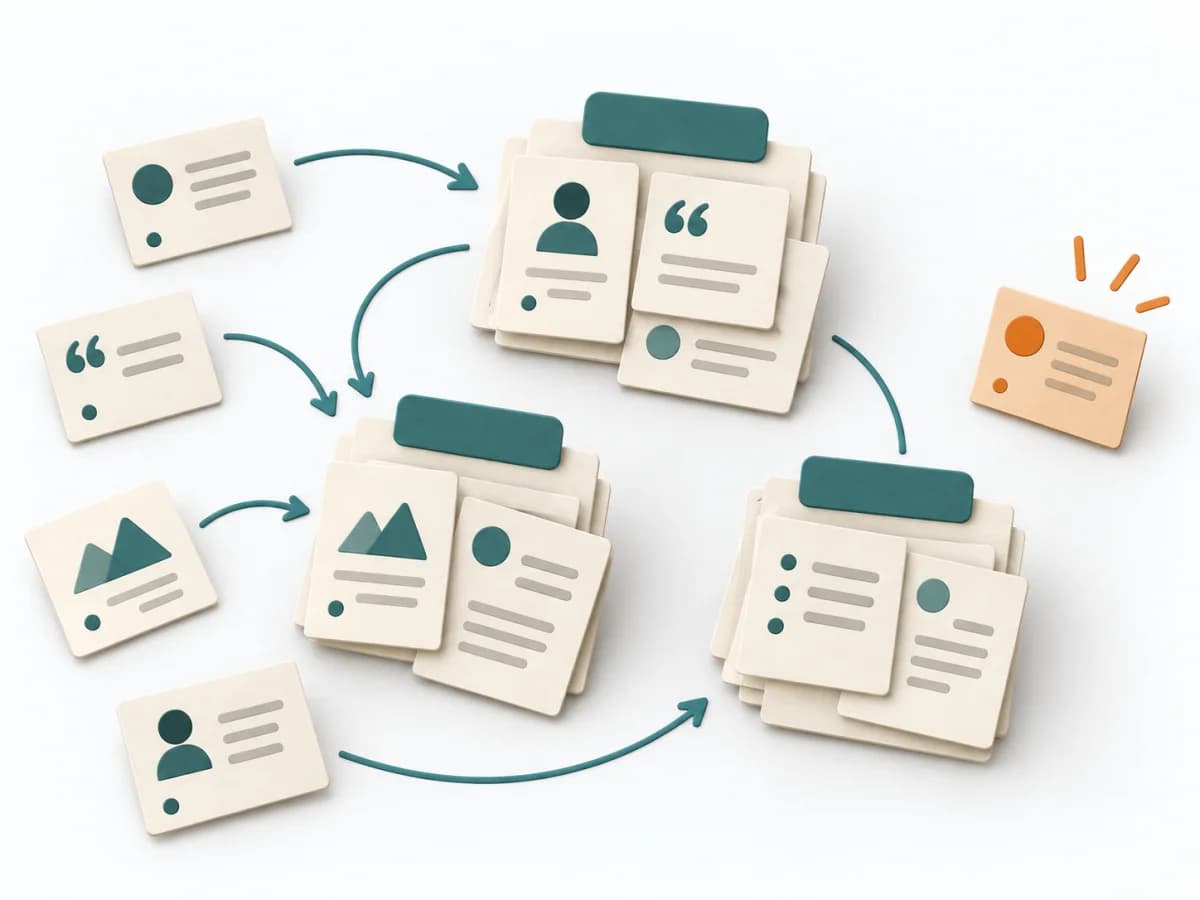 UX Research Affinity Diagramming | 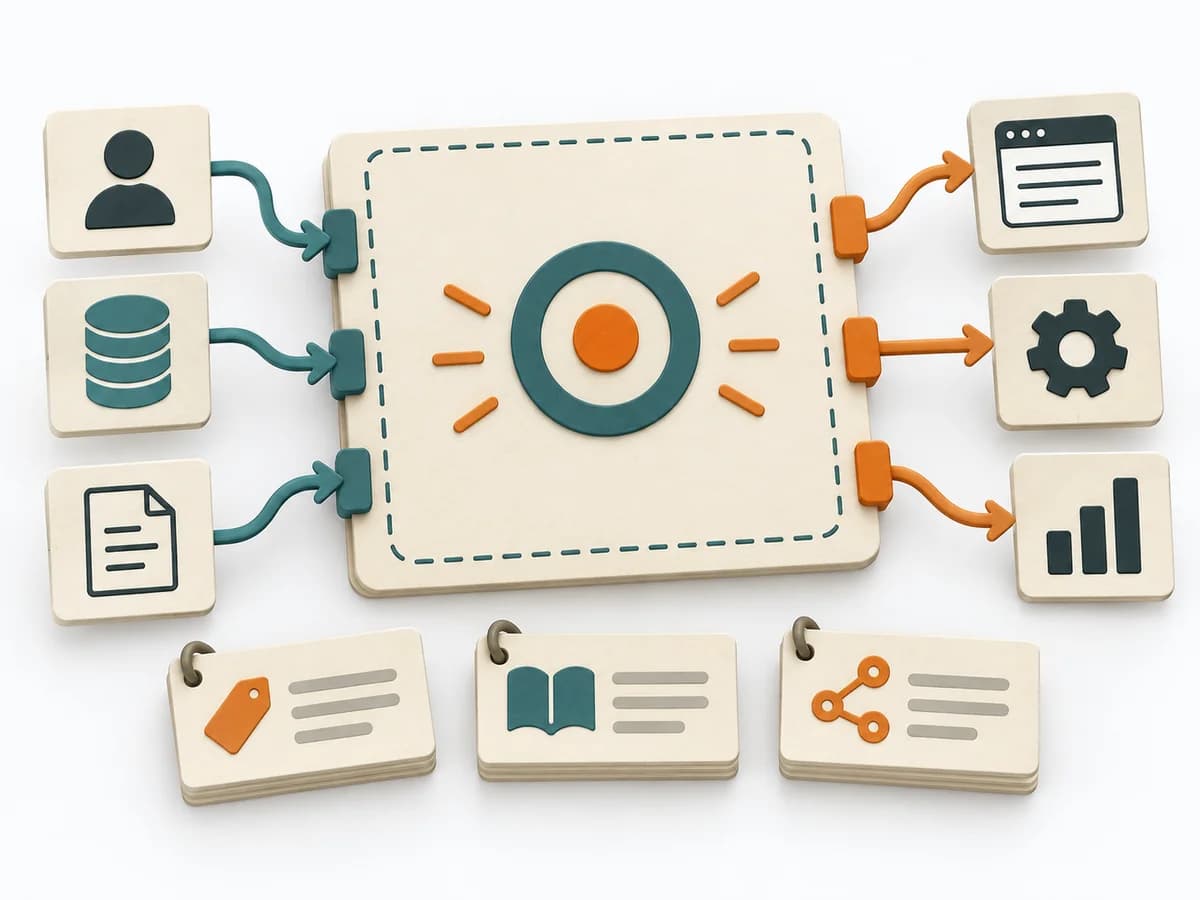 Domain Modeling Bounded Context Canvas |
|---|---|---|---|---|
Purposedifferent | Event Modeling connects business workflows with commands, events, and views into one coherent mental model. It helps design behavior, UI, and technical slices from the same underlying logic. | When several contexts need to talk to each other, it makes their relationships and dependencies legible. It helps sort integration pressure and responsibilities across system boundaries. | When research notes, feedback, or observations sit unconnected side by side, affinity diagramming sorts the raw material into solid themes. Many individual points turn into patterns that make decisions and opportunities clearer. | When a business context is still loosely outlined, it shapes language, responsibility, and integration space. It clarifies what belongs together and where a boundary needs to hold. |
Complexitydifferent | Medium | Medium | Low | Medium |
Timedifferent | 2-6 h | 1-3 h | 45–90 min | 1-3 h |
Participantsdifferent | 2-8 | 2-8 | 3-10 | 3-8 |
Formatdifferent | Workshop + async | Workshop + async | Workshop | Workshop + async |
Outputdifferent | Event Model, UI Flow, Commands, Read Models | Context Map, Integration Patterns, Boundary Notes | Theme clusters, Insight statements, Opportunity areas | Context Canvas, Glossary, Integration Notes |
Tagsno overlap | EventsBlueprintDomain-Driven DesignBehavior | Domain-Driven DesignBoundariesStrategy | SynthesisQualitativeRoot cause | Domain-Driven DesignBoundariesModeling |